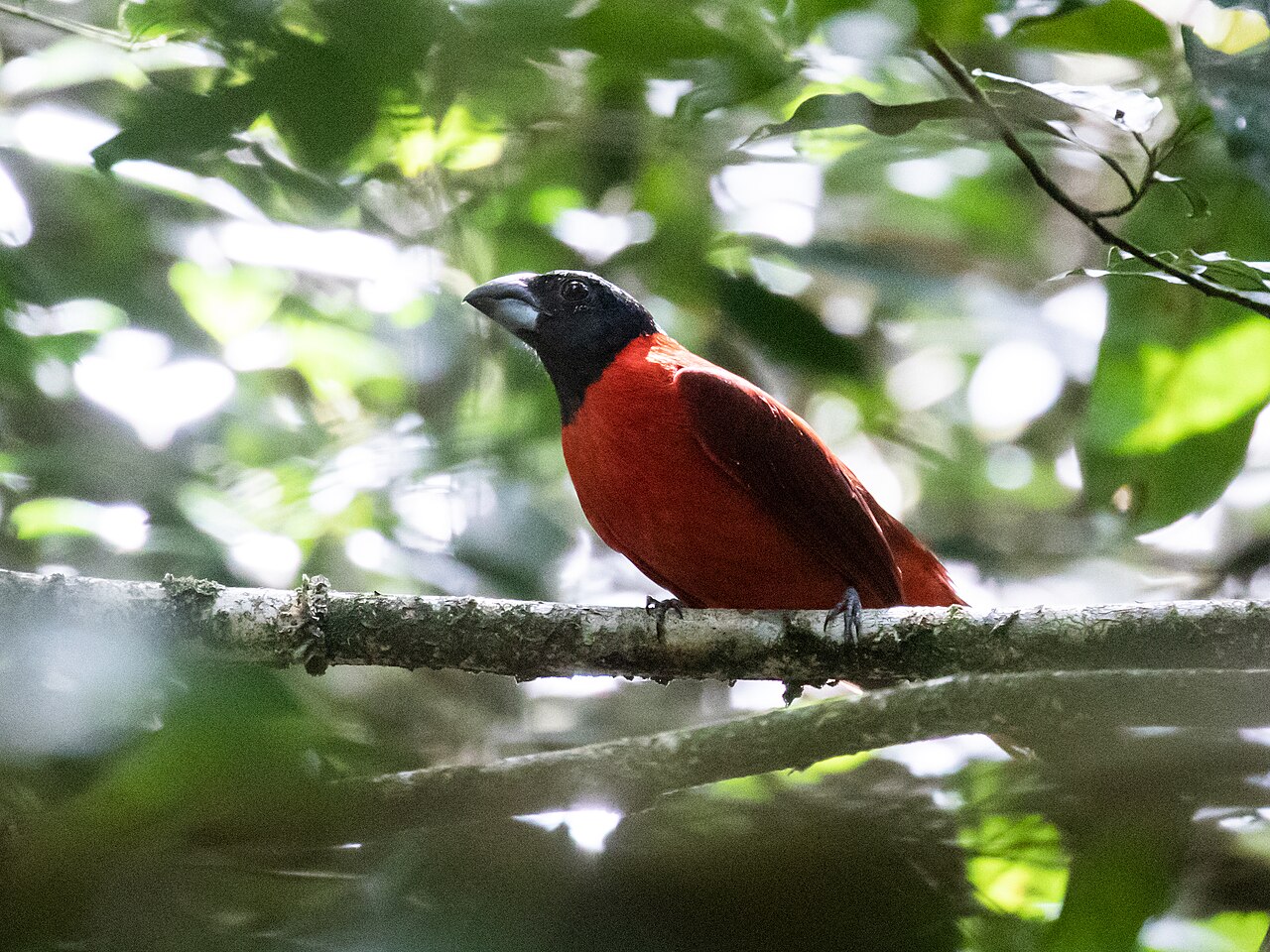
The red shoveler is a species of dabbling duck native to southern South America.
Region
Southern South America
Typical Environment
Occurs across southern Chile and Argentina, including Patagonia and Tierra del Fuego, with movements northward to central Argentina, Uruguay, and southern Brazil in nonbreeding periods. Prefers shallow freshwater and brackish wetlands, such as marshes, lagoons, flooded grasslands, and low-salinity estuaries. Often uses artificial water bodies like reservoirs and rice fields when natural wetlands shrink. Breeding takes place near dense emergent vegetation that provides cover and nesting sites.
Altitude Range
Sea level to 1500 m
Climate Zone
Temperate
Ease of Keeping
Beginner friendly: 2/5
The red shoveler is a southern South American dabbling duck recognized by its large, spatula-shaped bill used to sieve tiny prey and plant matter from the water. Males show rich cinnamon plumage densely speckled with dark spots and a pale blue wing panel visible in flight. They are partly nomadic or locally migratory, moving with changing water levels. Pairs typically form in the breeding season, nesting in dense vegetation near shallow wetlands.


Resting at the Weltvogelpark Walsrode
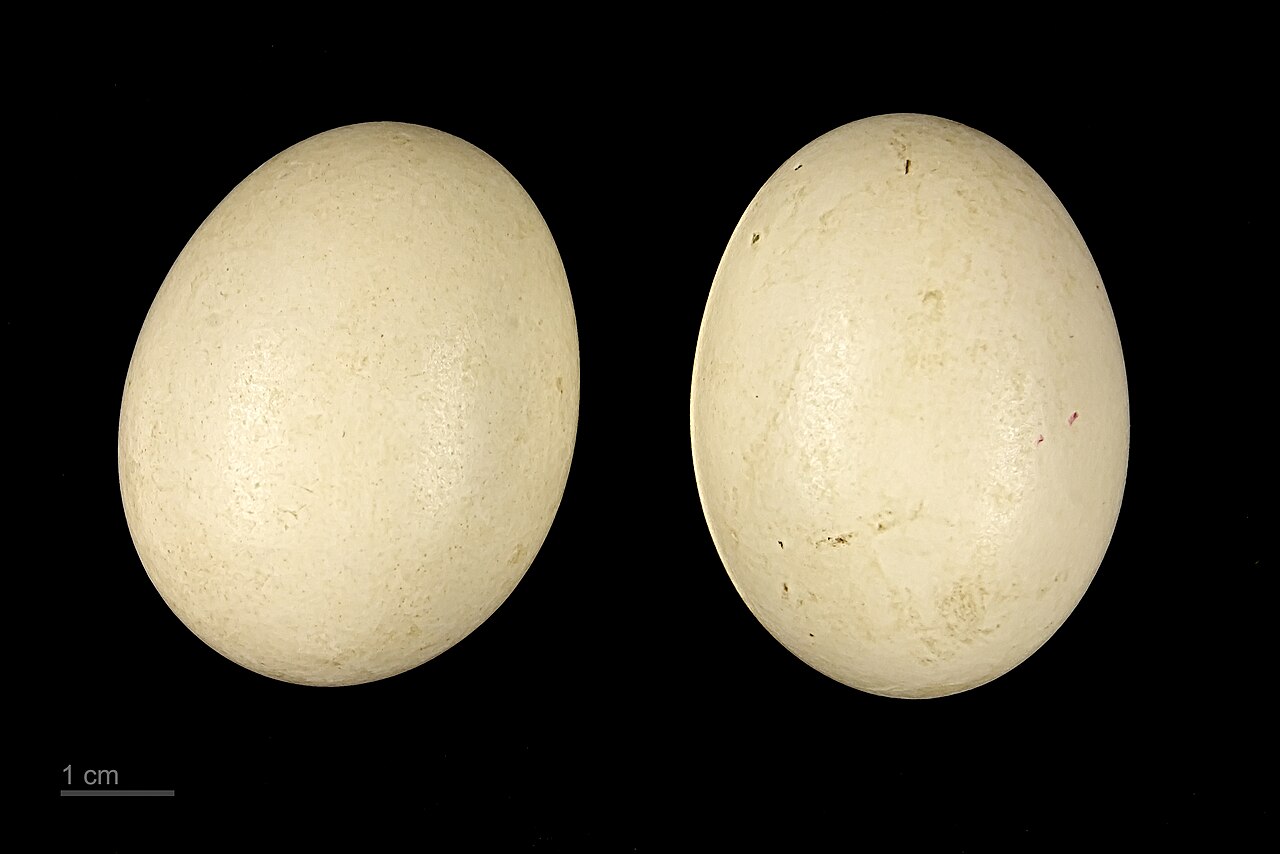
Anas platalea - MHNT
Temperament
social and gregarious
Flight Pattern
short rapid wingbeats
Social Behavior
Often forms small to medium flocks outside the breeding season, sometimes mixed with other dabbling ducks. Pairs form in late winter to spring; the nest is a concealed ground scrape in dense vegetation near water. Clutches are incubated by the female while the male stays nearby.
Migratory Pattern
Partial migrant
Song Description
Vocalizations are typical of dabbling ducks: females give loud quacks, while males produce softer wheezy whistles and low clucks. Calls increase around courtship and when birds are alarmed.
Plumage
Male is rich cinnamon-red overall with dense black spotting, pale blue forewing coverts, and a green speculum bordered by white; female is mottled brown with similar wing pattern but duller. Both sexes have a large, broad, spatulate bill and relatively short tail.
Diet
Feeds by filtering small aquatic invertebrates, zooplankton, seeds, and algae using the comb-like lamellae along its broad bill. Also consumes tender shoots and aquatic plants, particularly in nutrient-rich shallows. Diet composition shifts seasonally with availability, often with more animal prey during breeding.
Preferred Environment
Forages in shallow marshes, reed-fringed lagoons, flooded pastures, and quiet edges of lakes and estuaries. Frequently sieves the surface or skims just below while swimming, sometimes tipping-up in slightly deeper water.