

The red rail is an extinct species of rail that was endemic to the Mascarene island of Mauritius, east of Madagascar in the Indian Ocean. It had a close relative on Rodrigues island, the likewise extinct Rodrigues rail, with which it is sometimes considered congeneric, but their relationship with other rails is unclear. Rails often evolve flightlessness when adapting to isolated islands, free of mammalian predators, and that was also the case for this species. The red rail was a little larger than a chicken and had reddish, hairlike plumage, with dark legs and a long, curved beak. The wings were small, and its legs were slender for a bird of its size. It was similar to the Rodrigues rail, but was larger, and had proportionally shorter wings. It has been compared to a kiwi or a limpkin in appearance and behaviour.
Region
Western Indian Ocean
Typical Environment
Endemic to Mauritius, it inhabited forested and scrubby habitats from coastal lowlands to interior woodlands. It favored dense undergrowth, thickets, and forest edges where it could run rather than fly. The species foraged on the ground in leaf litter, along stream margins, and in damp areas where invertebrates were abundant. As with many island rails, it adapted to a predator-free environment until humans and invasive mammals arrived.
Altitude Range
Sea level to 800 m
Climate Zone
Tropical
Ease of Keeping
Beginner friendly: 1/5
The red rail was a flightless rail endemic to Mauritius and went extinct around the late 17th century due to hunting and introduced predators. Contemporary accounts describe its shaggy, reddish plumage and tameness toward humans. It likely probed leaf litter and soft soils with its long, downcurved bill for invertebrates. Historical reports note it could be lured close by waving red cloth, making it especially vulnerable.


First known subfossils which were used to identify this bird as a rail in 1868

Additional subfossils, 1893

1907 restoration by Frohawk

1601 sketches of a killed or stunned specimen, attributted to Joris Laerle
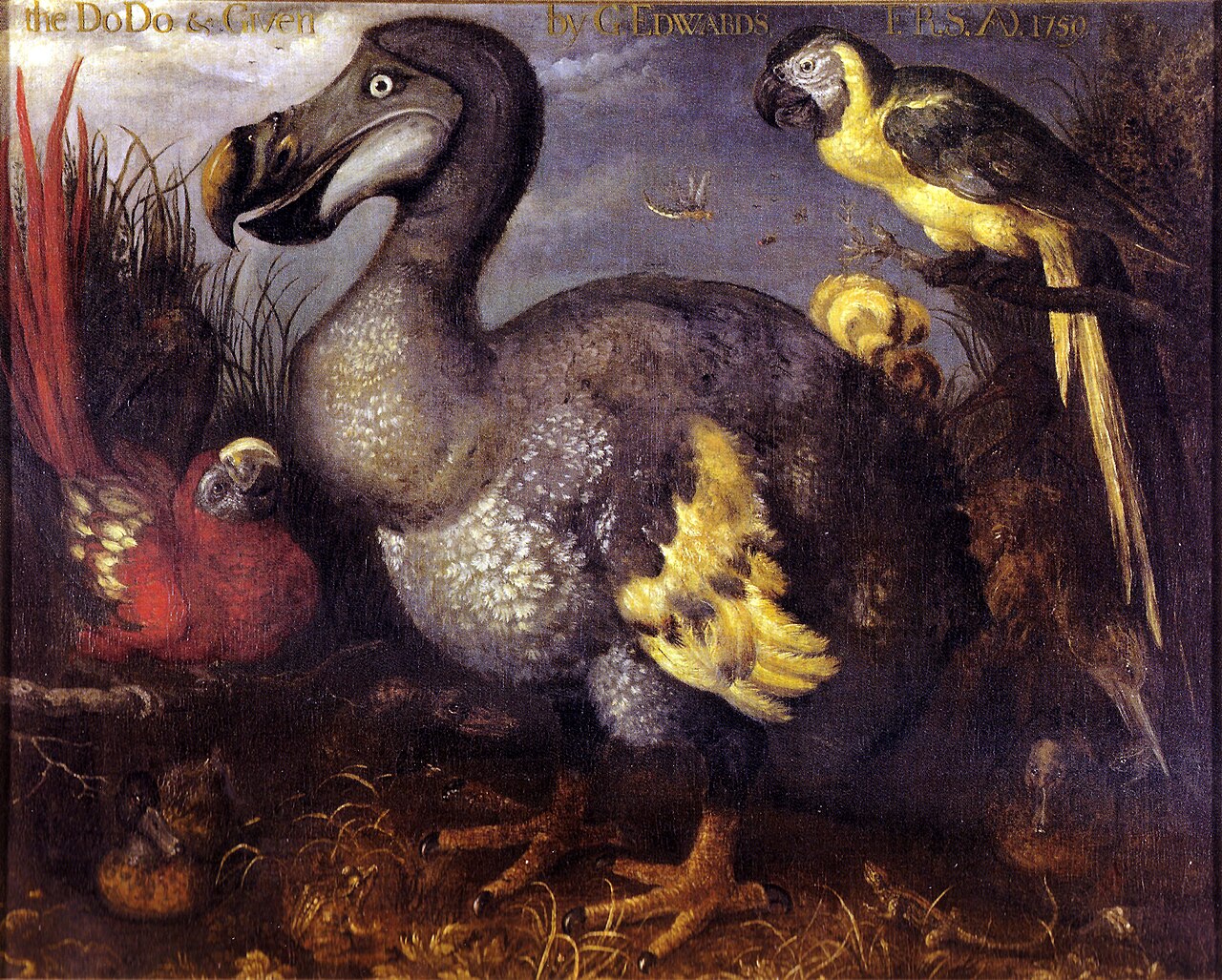
Edwards' Dodo, a 1626 painting by Roelant Savery, possibly showing a red rail (or a bittern) in the lower right
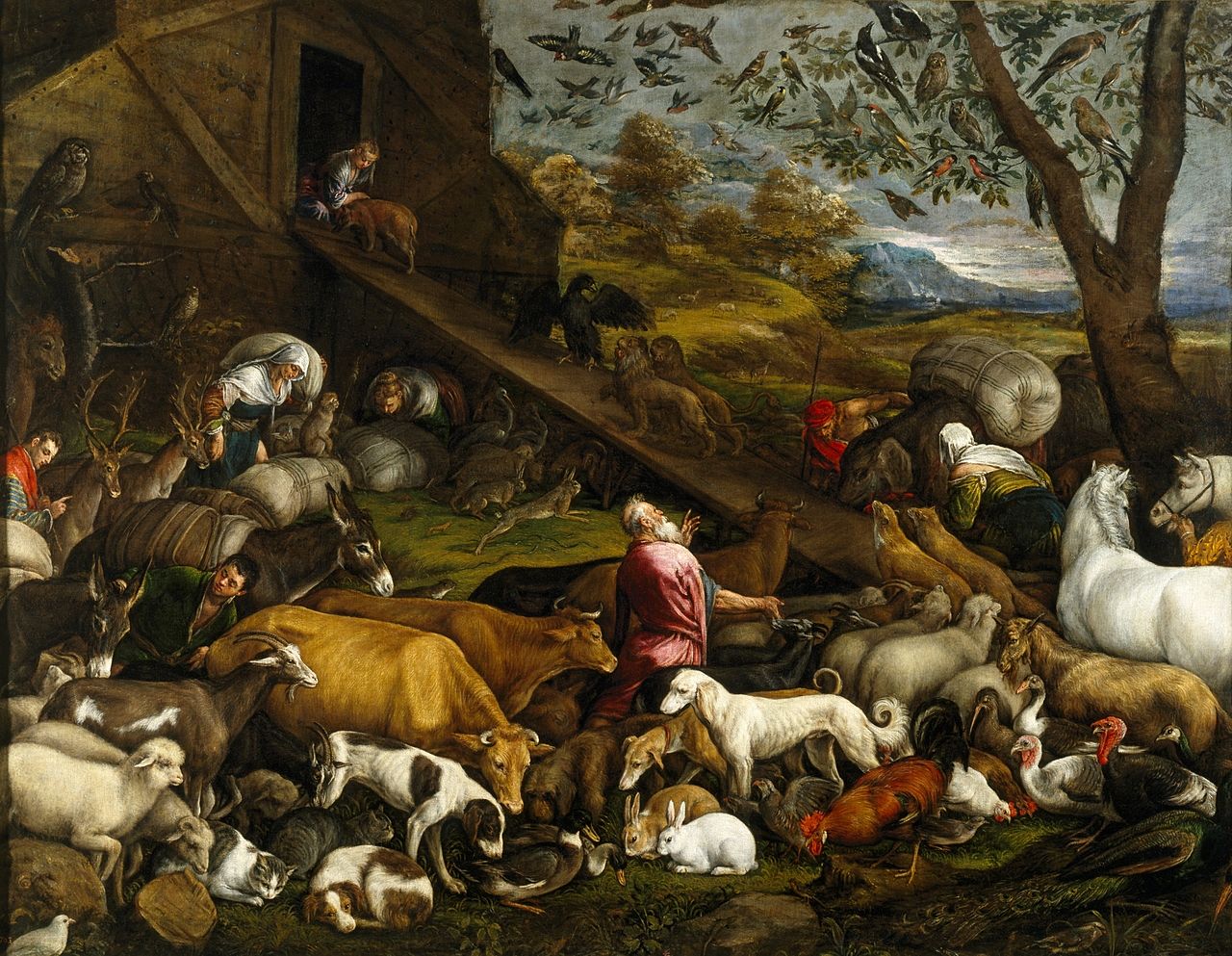
Jacopo Bassano's 1570 painting Arca di Noè, perhaps showing a red rail (or a bittern) in the lower right

1869 adaptation of the Hoefnagel painting

Shells of the extinct land-snail Tropidophora carinata have been found with puncture holes possibly made by feeding red rails

Labeled sketch from 1634 by Sir Thomas Herbert, showing a broad-billed parrot, a red rail, and a dodo

Depiction of Dutch activities on Mauritius in 1598, with various birds

Pieter van den Broecke's 1617 drawing of a dodo, a one-horned goat, and a red rail; after the dodo became extinct, its name may have been transferred to the red rail

Drawing by Peter Mundy, 1638
Temperament
tame and inquisitive
Flight Pattern
flightless; runs swiftly through dense cover
Social Behavior
Likely ground-dwelling and primarily solitary or in pairs, as in many rails. Nests were probably concealed on the ground within dense vegetation. Breeding behavior is poorly documented but was likely similar to other rails, with both parents involved in care. Limited fear of humans made it easy prey.
Migratory Pattern
Resident
Song Description
Vocalizations are poorly documented; it likely produced grunts, squeals, or clucking calls typical of rails. Historical records do not provide detailed descriptions of its song.
Plumage
Shaggy, hairlike plumage with a uniform rufous to chestnut tone; wings small and vestigial.
Diet
It likely fed on invertebrates such as insects, worms, and snails, using its long bill to probe soil and leaf litter. Small vertebrates and carrion may have been taken opportunistically. It may also have consumed fallen fruit and seeds when available. Gizzard stones reported from related taxa suggest it could process hard-shelled prey.
Preferred Environment
Foraging occurred on the forest floor, in dense scrub, and along damp margins of streams and wetlands. It favored areas with deep leaf litter and soft substrates for probing, often under thick cover.


