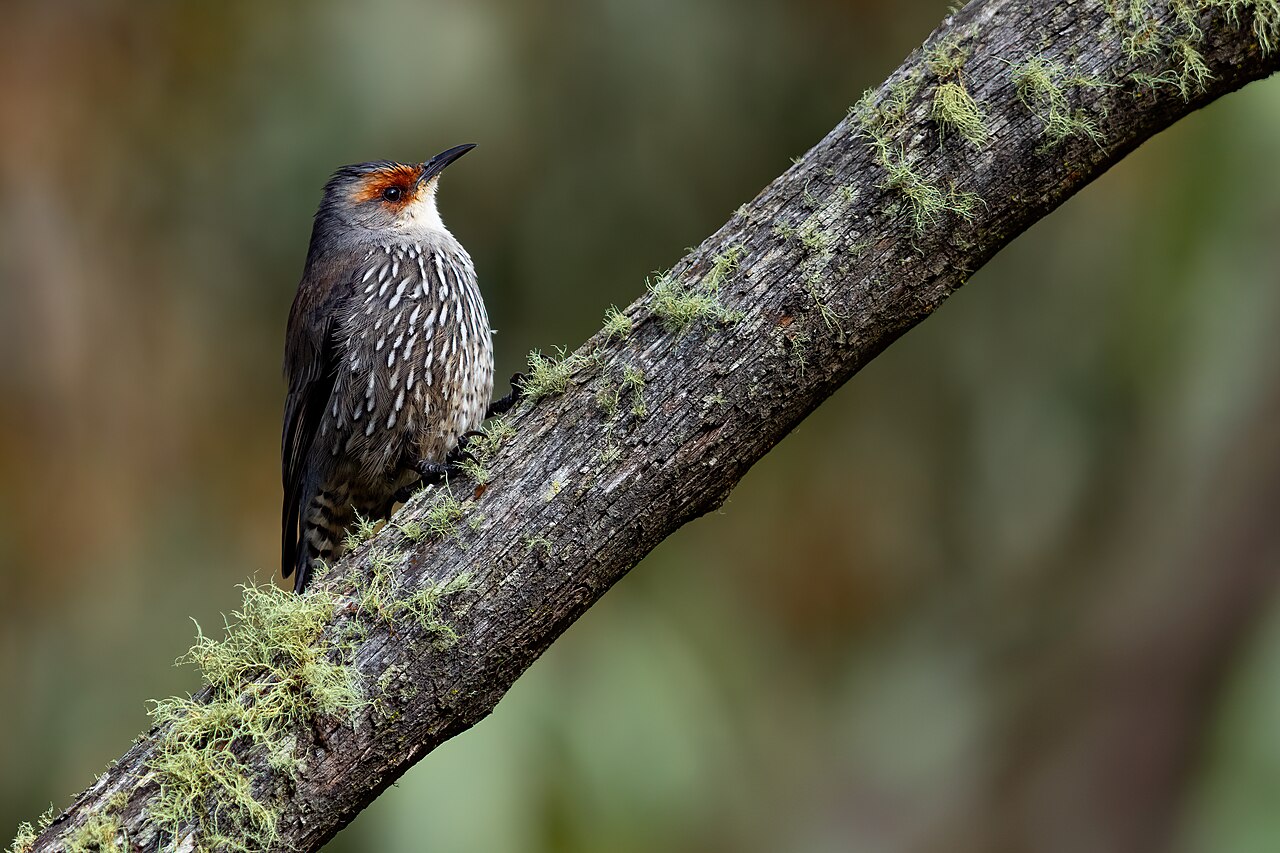
The red-breasted sapsucker is a medium-sized woodpecker of the forests of the west coast of North America.
Region
West Coast of North America
Typical Environment
Found from southeastern Alaska and coastal British Columbia south through Washington and Oregon into California, with some populations extending into the Sierra Nevada and interior Northwest. They occupy coastal rainforests, mixed conifer and hardwood forests, riparian corridors, and forest edges. During winter they may shift to lower elevations and more coastal zones, including parks and orchards. Sap-rich trees such as red alder, birch, maple, and willows are frequently used. They also occur in selectively logged areas where suitable snags and live trees for sap wells remain.
Altitude Range
Sea level to 2600 m
Climate Zone
Temperate
Ease of Keeping
Beginner friendly: 1/5
Red-breasted sapsuckers drill neat rows of sap wells in living trees and return repeatedly to lap up sap and the insects it attracts. Their feeding can leave characteristic patterns on trunks and is important for other wildlife that also uses the sap. They often hybridize with Red-naped Sapsuckers where their ranges meet in the interior Northwest. Their irregular, stuttering drum is a good clue for identification in dense forests.


In British Columbia, Canada

In California, USA

In southeast Alaska

Juvenile sapsucker

Multiple rows of holes can be seen on the side of the tree, created by this red-breasted sapsucker in Yucaipa Regional Park.

Sapsuckers can sometimes cause extensive damage to trees.
Temperament
solitary and territorial
Flight Pattern
undulating flight with short rapid wingbeats
Social Behavior
Typically forms monogamous pairs during the breeding season and defends sap wells and nest territories vigorously. Nests are excavated in dead or decaying trees or snags, with both sexes participating in excavation and incubation. Outside breeding, individuals are often solitary but may forage near other birds attracted to their sap wells.
Migratory Pattern
Partial migrant
Song Description
Vocalizations include nasal mewing calls and harsh chatter notes. Drumming is distinctive: an irregular, halting series that starts quickly and then tapers, unlike the steady rolls of many woodpeckers.
Plumage
Glossy red head and breast with black upperparts patterned with white barring and spotting; belly often yellowish to buff with darker flanks. Large white wing patch shows in flight and on the folded wing. Juveniles are browner with mottled red on the head and breast.
Diet
Feeds primarily on tree sap and the phloem beneath the bark, which it accesses by drilling neat rows of shallow holes. Also consumes insects attracted to the sap, including ants, wasps, and beetles, as well as spiders. Seasonally supplements diet with fruits and berries, and occasionally takes seeds.
Preferred Environment
Forages on live trees with good sap flow, particularly red alder, birch, maple, willow, and sometimes conifers. Often feeds along forest edges, riparian zones, and in orchards or parks where suitable trees are present.