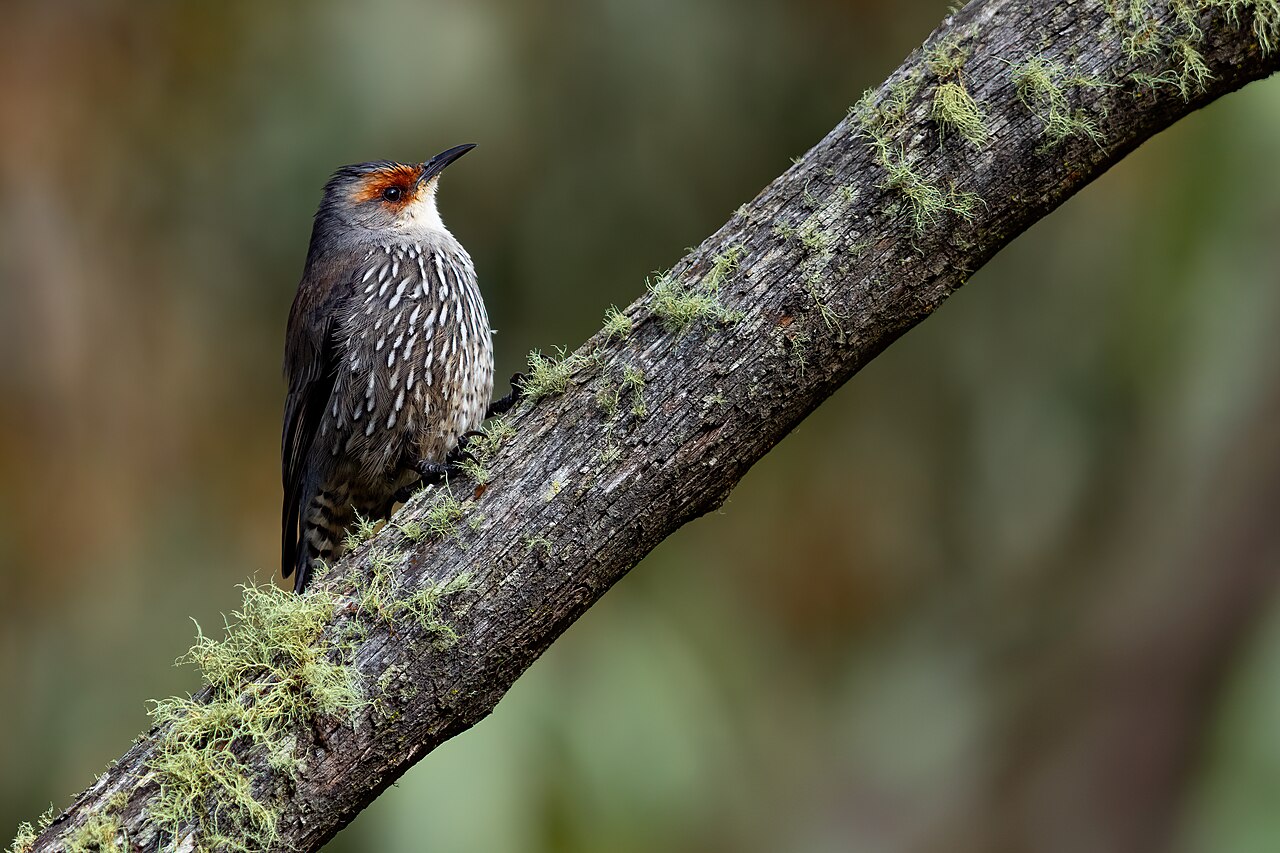
The red-browed finch is an estrildid finch that inhabits the east coast of Australia. This species has also been introduced to French Polynesia. It is commonly found in temperate forest and dry savannah habitats. It may also be found in dry forest and mangrove habitats in tropical regions.
Region
Eastern Australia
Typical Environment
Found from coastal and subcoastal eastern Australia through the foothills of the Great Dividing Range, favoring areas with dense low cover near water. It inhabits temperate forest edges, grassy clearings, riparian thickets, and shrubby heath. The species also uses farmland margins, parks, and suburban gardens where seeding grasses persist. In tropical and subtropical zones it extends into dry forest, open woodland, and mangroves. It has been introduced to parts of French Polynesia, where it occupies similar weedy and shrubby habitats.
Altitude Range
Sea level to 1200 m
Climate Zone
Temperate
Ease of Keeping
Beginner friendly: 4/5
Also known as the red-browed firetail, this small estrildid finch is a familiar sight along Australia's east coast. Its bright red eyebrow and rump are standout features when it darts between grasses and shrubs. It adapts well to human-modified habitats and has established introduced populations in parts of French Polynesia. During breeding, it increases insect intake to feed growing chicks.


Temperament
social and active
Flight Pattern
short rapid wingbeats with an undulating path
Social Behavior
Usually seen in pairs or small flocks, often feeding quietly on the ground or low in grasses. Pairs construct dome-shaped nests in dense shrubs or grasses, sometimes nesting semi-colonially when cover is abundant. Outside the breeding season they roost communally and move locally in search of seeding grasses.
Migratory Pattern
Resident
Song Description
Soft, high-pitched tinkling notes and thin tseep contact calls given frequently while foraging. The song is a gentle series of delicate trills and twitters, more a whispering cadence than a loud display.
Plumage
Olive-green upperparts and grey underparts with a bright red supercilium and rump; tail dark with contrasting red base. Fine, smooth plumage with a neat, compact appearance.
Diet
Primarily consumes small grass and herb seeds, often taken directly from seed heads or the ground. Supplements diet with small insects, especially during breeding to provide protein for nestlings. Will also take tender shoots and occasionally small fruits or invertebrate larvae.
Preferred Environment
Feeds in rank grasses, weedy verges, and along creeklines where cover is close by. Common in edges of woodland, gardens, parks, and lightly grazed pastures with abundant seeding plants.