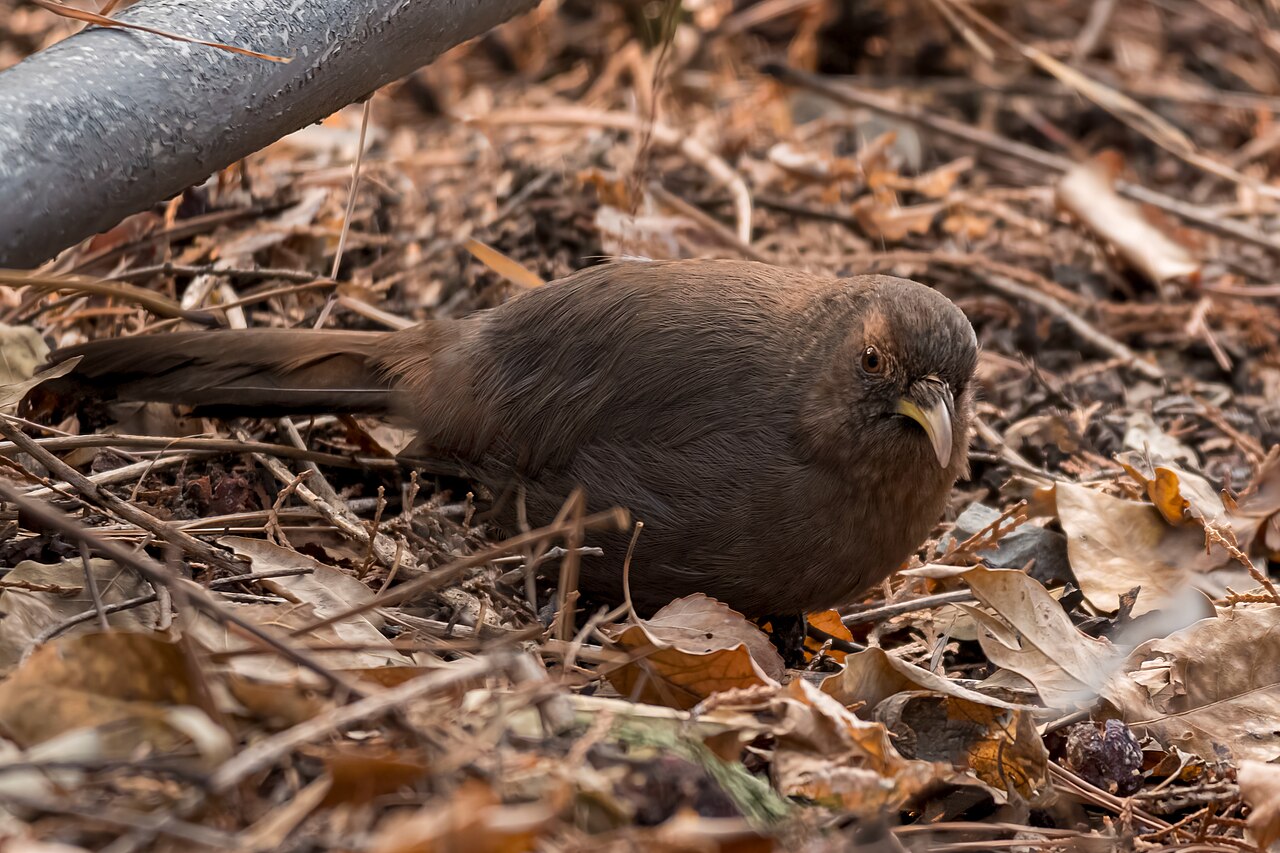
The plain flowerpecker is a bird in the family Dicaeidae. The species was described and given its binomial name by Robert Swinhoe in 1870. It is found in the central Himalayas, through western Indonesia to Taiwan.
Region
South and Southeast Asia
Typical Environment
Occurs from the central Himalayas through northeastern India and Bangladesh into Myanmar, Thailand, Laos, Cambodia, and Vietnam, extending south through Peninsular Malaysia to Sumatra and Borneo, and east to southern China, Hainan, and Taiwan. It frequents lowland and foothill forests, forest edges, second-growth, plantations, and well-wooded gardens. Often common in disturbed habitats where mistletoes are abundant. It can be locally numerous in mosaic landscapes of woodland and cultivation.
Altitude Range
Sea level to 2000 m
Climate Zone
Tropical
Ease of Keeping
Beginner friendly: 1/5
A tiny member of the flowerpecker family, it is widespread from the central Himalayas across mainland Southeast Asia to Taiwan and parts of western Indonesia. It plays an important role in forest regeneration by dispersing the seeds of mistletoes and other small-berried plants. Its appearance is notably plain, which makes it easy to overlook despite its sharp, high-pitched calls.

Temperament
active and alert
Flight Pattern
short rapid wingbeats with a fast, direct flight
Social Behavior
Usually seen singly or in pairs, sometimes joining mixed-species flocks in the canopy. Nests are small, purse-like structures suspended from foliage, bound with plant fibers and spider silk with a side entrance. Both parents typically participate in rearing the young.
Migratory Pattern
Resident
Song Description
High-pitched, thin tsee-tsee notes delivered in short series. Calls are sharp chips and squeaks, often given while foraging and useful for detection in dense foliage.
Plumage
Very plain, smooth plumage with dull olive-brown upperparts and greyish to buff underparts, slightly paler on the throat and belly. No wing bars or strong streaking; tail short. Bill short, thick, and slightly hooked at the tip.
Diet
Primarily consumes small fruits, especially mistletoe berries, which it swallows whole and later disperses as seeds. Also takes nectar from small flowers and occasionally small insects and spiders for protein. Its fruit-focused diet makes it an effective seed disperser in forest and edge habitats.
Preferred Environment
Feeds in the canopy and mid-story of forests, forest edges, and wooded gardens. Often visits fruiting mistletoes on isolated trees in plantations and along roadsides.