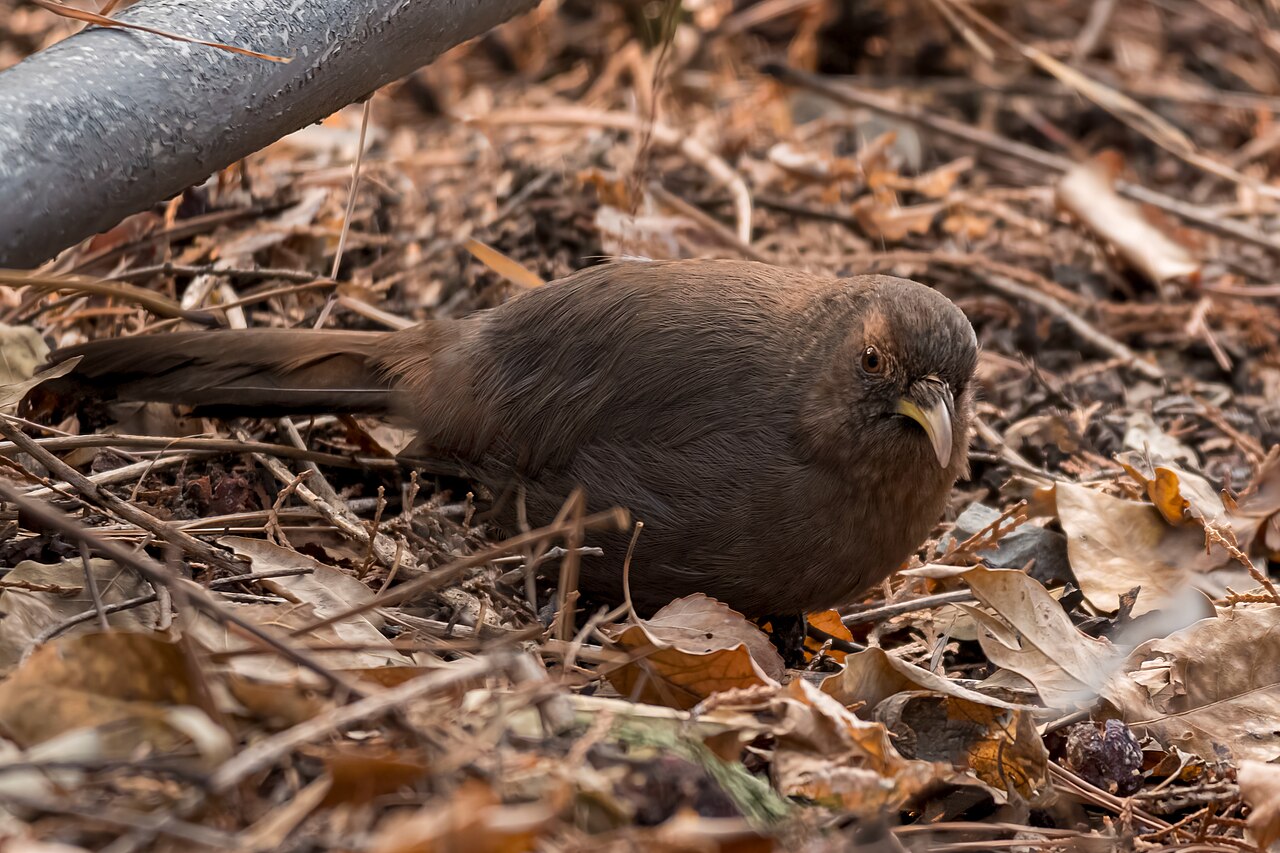
The plain inezia, or plain tyrannulet, is a species of passerine bird in the family Tyrannidae, the tyrant flycatchers. It is found in Argentina, Bolivia, Brazil, Paraguay, and Peru.
Region
South America
Typical Environment
Occurs from eastern Bolivia and western Brazil through Paraguay and into northern Argentina, with populations also in adjacent Peru. It favors dry to semi-humid woodland and scrub, including the Gran Chaco, gallery forests, and second-growth thickets. Frequently found along forest edges, riverine corridors, and in scattered trees within savanna mosaics. It adapts well to fragmented landscapes provided some shrub or low-canopy structure remains.
Altitude Range
Sea level to 1500 m
Climate Zone
Subtropical
Ease of Keeping
Beginner friendly: 1/5
The plain inezia, also called the plain tyrannulet, is a tiny, drab tyrant flycatcher that often goes unnoticed despite being fairly widespread. It frequently joins mixed-species flocks and keeps to mid-level foliage where it flicks its tail and makes short sallies for insects. Its high, thin calls are useful for detection in dense scrub. It tolerates lightly disturbed habitats and edges.


Temperament
social and active
Flight Pattern
short rapid wingbeats with quick, low sallies between perches
Social Behavior
Usually found singly or in pairs, often accompanying mixed-species flocks in the understory to midstory. Pairs maintain small foraging areas and communicate with thin contact calls. Nesting is presumed to involve a small cup nest placed in shrubs or low trees, with both parents attending the young.
Migratory Pattern
Resident
Song Description
Gives high, thin tseet and see-see notes, often delivered in short, repetitive series. Song is modest and unobtrusive, more of a rapid, sibilant twitter than a melodious phrase.
Plumage
Plain, soft-textured plumage with grayish-olive to brown-olive upperparts and pale buffy to off-white underparts; minimal contrast overall.
Diet
Feeds primarily on small insects and other arthropods, gleaned from leaves, twigs, and fine branches. It also makes short aerial sallies to snatch flying prey near the canopy edge. Foraging is steady and methodical, with frequent tail flicks and repositioning among foliage. Occasional small spiders and soft-bodied invertebrates are taken.
Preferred Environment
Forages in scrubby woodland, dry forest edges, and gallery forest margins. Often uses the midstory and outer foliage layers where light penetrates and insects concentrate. Readily exploits secondary growth and scattered shrubs along watercourses and clearings.