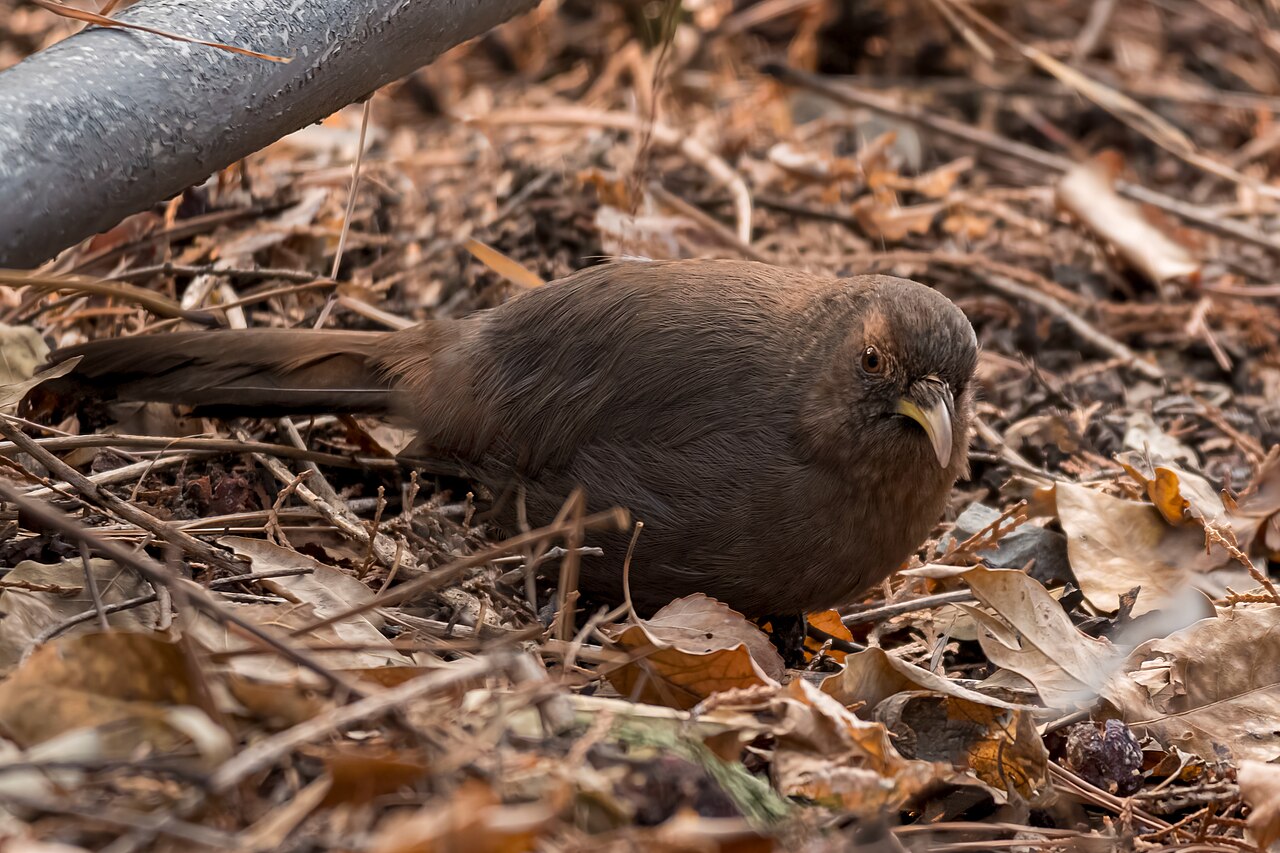
The plain gerygone is a species of bird in the family Acanthizidae. It is found on the islands of Wetar and Timor. Its natural habitats are subtropical or tropical moist lowland forest and subtropical or tropical mangrove forest.
Region
Lesser Sunda Islands
Typical Environment
Occurs on Wetar and Timor, frequenting subtropical and tropical moist lowland forest as well as mangrove forests. It also uses forest edges, secondary growth, and coastal scrub where small arthropods are abundant. In mangroves it forages among pneumatophores and low canopies, while in inland sites it moves through the midstory and canopy. The species is typically found in relatively undisturbed habitats but tolerates some habitat modification.
Altitude Range
Sea level to 1200 m
Climate Zone
Tropical
Ease of Keeping
Beginner friendly: 1/5
A tiny member of the Australasian warbler family Acanthizidae, the plain gerygone lives on the islands of Wetar and Timor. It is aptly named for its subdued, uniform plumage and unobtrusive behavior. Like many gerygones, it weaves a neat, hanging pouch nest with a side entrance and often joins mixed-species flocks while foraging.


Temperament
unobtrusive but active
Flight Pattern
short rapid wingbeats between perches
Social Behavior
Usually seen singly or in pairs, and commonly joins mixed-species flocks of small insectivores. Builds a suspended, domed pouch nest with a side entrance from plant fibers and spider silk. Breeding pairs maintain small territories in suitable lowland forest and mangrove habitats.
Migratory Pattern
Resident
Song Description
Soft, high-pitched tinkling trills and simple, repetitive phrases. Contact calls are thin and sibilant, often given while foraging in foliage.
Plumage
Plain, smooth-textured plumage with little contrast; upperparts dull olive-brown to gray-brown and underparts pale grayish-buff.
Diet
Feeds mainly on small insects and other arthropods such as spiders, gleaned from leaves, twigs, and bark. It probes foliage carefully and occasionally makes short sallies to snatch prey. In mangroves it works through low branches and root tangles. It may supplement its diet opportunistically with small larvae and eggs.
Preferred Environment
Forages in the midstory to canopy of lowland forest and along edges, and at lower levels in mangroves. Often uses secondary growth, riverine thickets, and coastal scrub where insect densities are high.