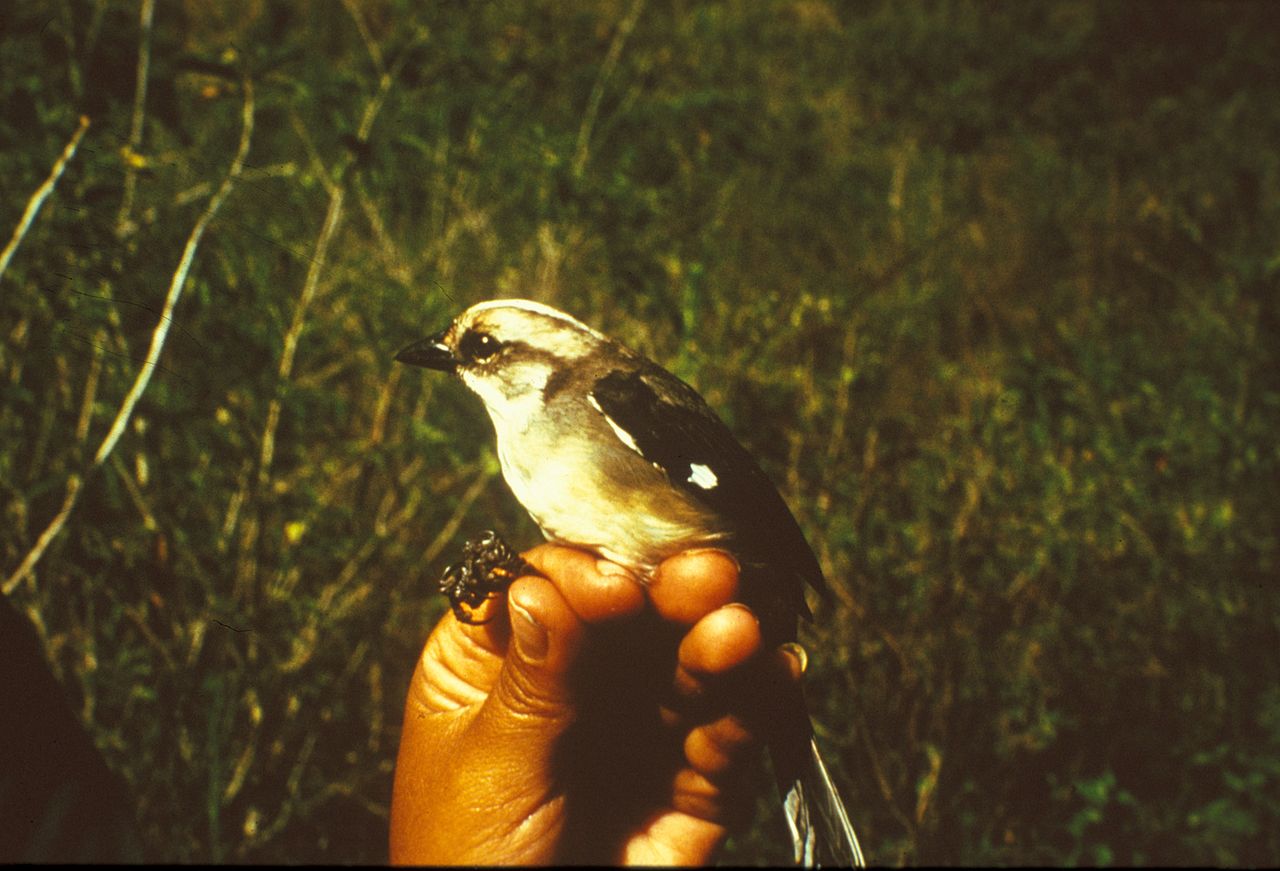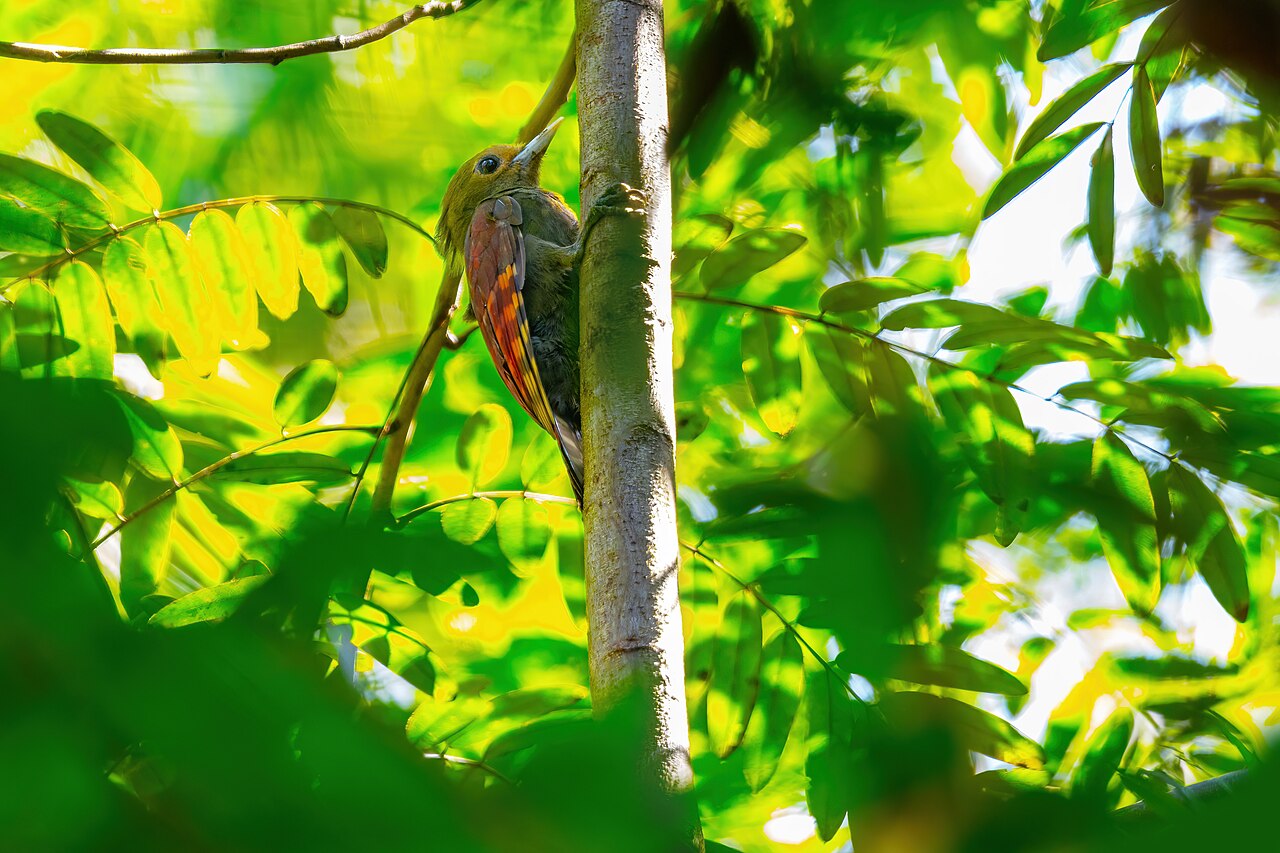
The pale-footed swallow is a species of bird in the family Hirundinidae. It is found in the northern Andes, from Venezuela to Bolivia. It is monotypic.
Region
Andes Mountains
Typical Environment
Occurs along the northern and central Andes from Venezuela through Colombia and Ecuador to Peru and Bolivia. Favors montane cloud forests, elfin forest margins, and open country near steep slopes and cliffs. Frequently seen over ridgelines, river gorges, and forest clearings where aerial insects are concentrated. Breeding is associated with earthen banks, cuts, or natural crevices, often near humid montane habitats.
Altitude Range
1200–3500 m
Climate Zone
Highland
Ease of Keeping
Beginner friendly: 1/5
The pale-footed swallow is a small, high-Andean swallow that forages on the wing above cloud-forest edges and open slopes. It is monotypic, with no recognized subspecies, and often associates with mixed flocks of other swallows. Its pale, flesh-colored feet—unusual among swallows—can be noticeable when the bird is perched.
Temperament
social and active
Flight Pattern
short rapid wingbeats with agile, buoyant sallies
Social Behavior
Often forms small loose flocks, frequently mixing with other Andean swallows while foraging. Nests in small colonies or scattered pairs, using natural crevices, earthen banks, or man-made cuts. Pairs are seasonal breeders and likely exhibit typical swallow biparental care.
Migratory Pattern
Resident
Song Description
Gives a soft series of thin twitters and chips while in flight. Calls are high-pitched and sibilant, often delivered in short, rapid sequences during social foraging.
Plumage
Sooty-brown to dusky upperparts with paler gray-brown underparts and a slightly paler throat. Feathers appear smooth and plain without strong patterning, and the tail is shallowly forked.
Diet
Feeds almost exclusively on aerial insects caught in flight, including flies, beetles, and small wasps. It forages with quick sallies and short chases, often adjusting height to insect swarms. Opportunistically exploits rising insect activity along sunlit slopes and over forest gaps.
Preferred Environment
Typically hunts over cloud-forest edges, open montane pastures, and along ridgelines and river valleys. Also forages above roads or landslides where warm updrafts concentrate insects.