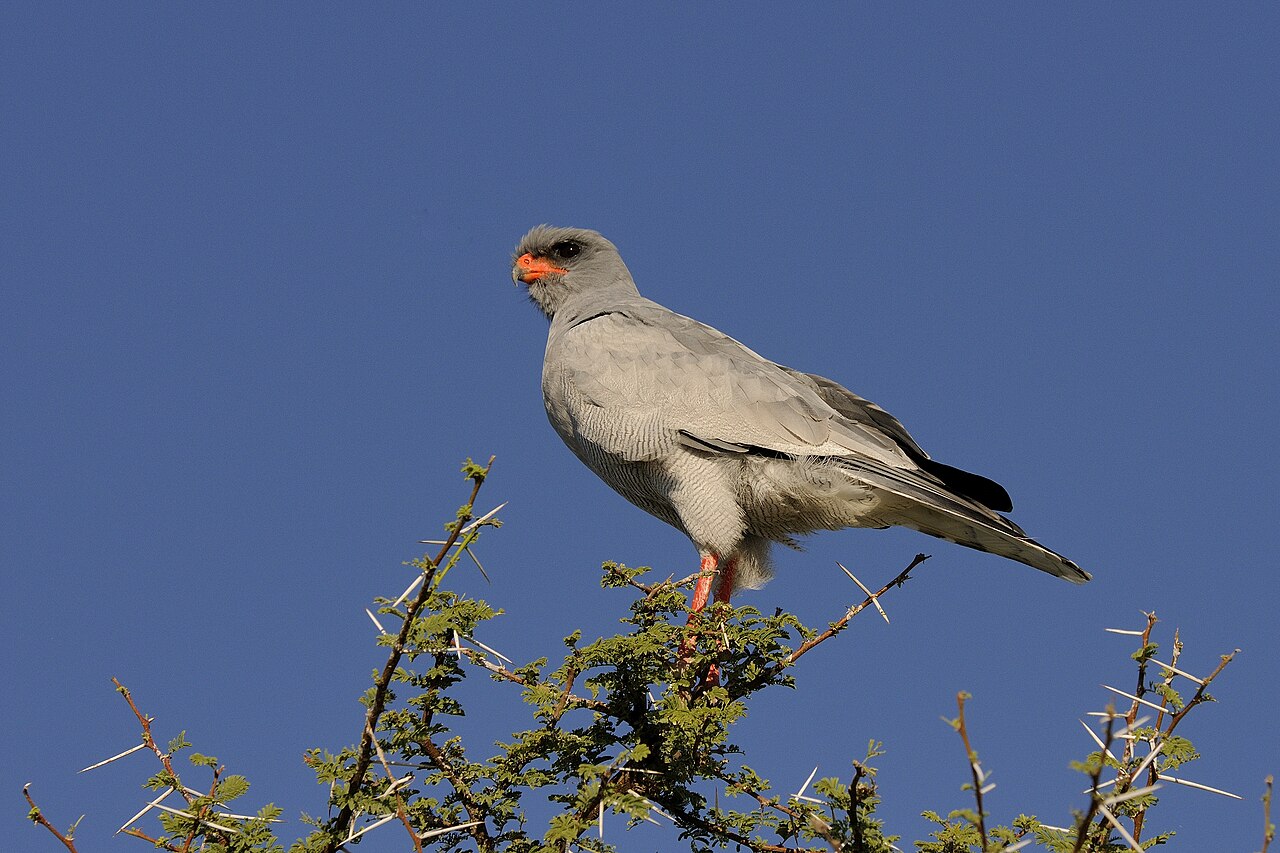
The Palawan tit is a species of bird in the tit family Paridae.
Region
Southeast Asia
Typical Environment
Occurs on the Palawan archipelago, primarily in lowland and foothill forests, forest edges, and well-vegetated secondary growth. It frequents the midstory but also forages from understory to lower canopy. The species tolerates lightly degraded habitats better than many forest specialists but still relies on tree cover. It is most often encountered in pairs or small groups, sometimes with other insectivorous birds. Local presence is tied to intact forest patches and connected woodland corridors.
Altitude Range
Sea level to 1500 m
Climate Zone
Tropical
Ease of Keeping
Beginner friendly: 1/5
The Palawan tit is a forest-dwelling member of the tit family Paridae, found only on the Palawan archipelago of the Philippines. It often joins mixed-species flocks and actively gleans insects from leaves and twigs. Its bold pattern with a white cheek patch and dark hood makes it distinctive among Palawan’s small songbirds. Habitat loss is a concern for this localized species.


Temperament
social and active
Flight Pattern
short rapid wingbeats
Social Behavior
Commonly forages in pairs or family groups and regularly joins mixed-species flocks. Nests are typically placed in cavities or crevices, with both parents involved in care. Territorial during breeding but more tolerant of conspecifics when not nesting.
Migratory Pattern
Resident
Song Description
Delivers a series of clear, high-pitched whistles interspersed with scolding calls typical of tits. Contact notes are sharp and repeated, aiding cohesion within foraging groups.
Plumage
Compact tit with a dark hood and throat, contrasting bold white cheek patch, warm rufous-buff underparts, and olive-brown upperparts with a small pale wingbar.
Diet
Primarily takes insects and other small arthropods such as caterpillars, beetles, and spiders by gleaning from foliage and bark. It also consumes some seeds, small fruits, and occasionally nectar, especially outside the breeding season. Foraging is agile and methodical, often hanging to probe leaf clusters.
Preferred Environment
Feeds in forest midstory and edges, including secondary growth and along forest trails. It often exploits mixed-species flocks to locate prey-rich patches.