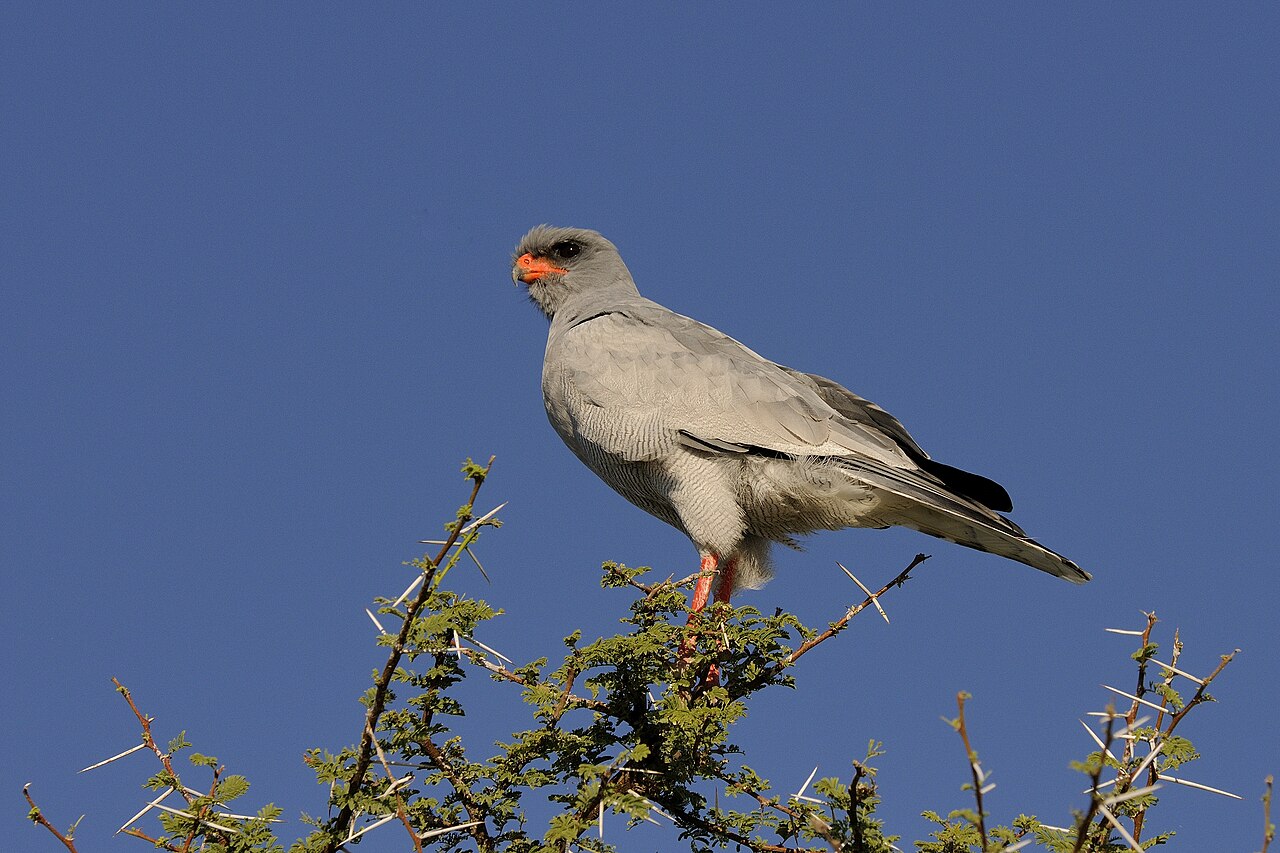
The pale baywing, formerly known as the pale cowbird, is a species of bird in the family Icteridae. It is currently placed in the genus Agelaioides, but has traditionally been placed in the genus Molothrus. It was formerly considered conspecific with the greyish baywing, with the combined species then known as bay-winged cowbird.
Region
Gran Chaco and adjacent lowlands of Bolivia, Paraguay, and northern Argentina
Typical Environment
Occupies dry to semi-arid woodlands, thorn scrub, savannas, and open ranchlands. Common along edges of forests, roadsides, and near human settlements, including pastures where it forages around livestock. Uses riparian thickets and hedgerows for cover and nesting. Tolerant of mosaic agricultural landscapes with scattered trees and shrubs.
Altitude Range
0–1800 m
Climate Zone
Subtropical
Ease of Keeping
Beginner friendly: 1/5
The pale baywing is a non-parasitic icterid that builds its own nest, unlike many cowbirds. It often breeds cooperatively, with helpers assisting a territorial pair. It is a frequent host of the screaming cowbird, which lays its eggs in baywing nests. Formerly treated with the grayish baywing as one species, it is now recognized as distinct.


Temperament
social and active
Flight Pattern
short rapid wingbeats with direct, low flights between perches
Social Behavior
Usually seen in pairs or small family groups and often forages in loose flocks. Known for cooperative breeding, with helpers attending the nest and feeding young. Builds its own nest and is frequently parasitized by screaming cowbirds. Uses shrubs and small trees for nesting and roosting.
Migratory Pattern
Resident
Song Description
A lively mix of bright whistles and clear, musical phrases interspersed with chatters. Also gives harsh scolding calls when alarmed and soft contact notes within groups.
Plumage
Overall pale sandy gray-brown with a contrasting rich rufous 'bay' panel across the lesser and median wing coverts; darker wings and tail. Underparts light buff-gray with a slightly paler throat. The face is subtly marked with a faint pale eyebrow and dusky lores.
Diet
Takes seeds and small grains from the ground and low vegetation. Consumes insects and other small arthropods, especially during the breeding season. Will also eat small fruits and opportunistically picks at food scraps around human habitation and livestock areas.
Preferred Environment
Forages mainly on the ground in open scrub, pastures, and along edges. Frequently associated with cattle or horses, taking advantage of disturbed insects and spilled grain. Uses low shrubs and fence lines as hunting and lookout perches.