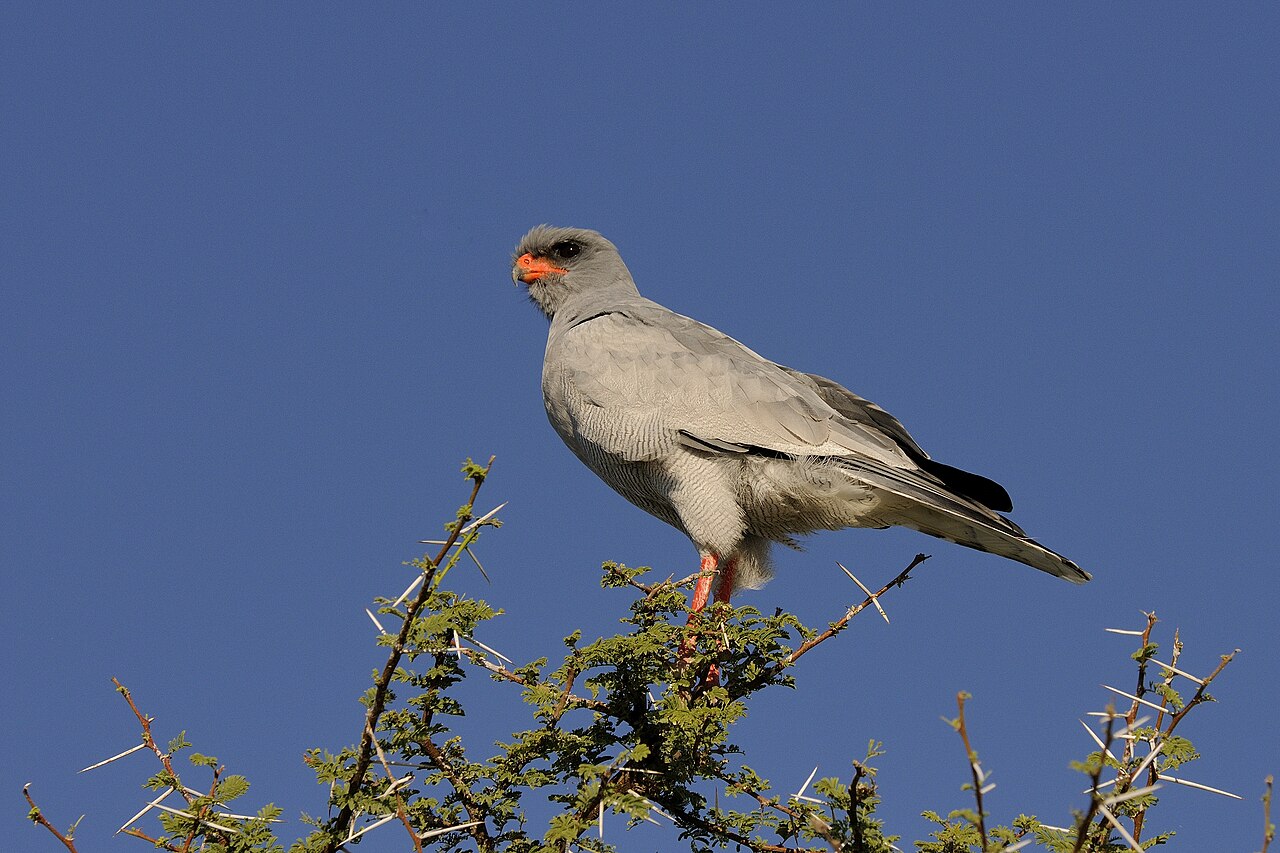
The pale blue flycatcher is a bird in the family Muscicapidae. The species was first described by Edward Blyth in 1843.
Region
South Asia
Typical Environment
Primarily found in Sri Lanka and the Western Ghats of India, inhabiting moist evergreen and semi-evergreen forests. It favors dense understorey, shaded ravines, and riparian thickets within mature forest. Birds may also occur at forest edges and in well-wooded plantations adjacent to native habitat. It keeps close to cover and often perches low to mid-level inside the canopy.
Altitude Range
Sea level to 2000 m
Climate Zone
Tropical
Ease of Keeping
Beginner friendly: 1/5
A small forest flycatcher, the male is a uniform pale blue, lacking the rufous throat of similar blue flycatchers like Tickell’s. It was first described by Edward Blyth in 1843 and belongs to the Old World flycatcher family Muscicapidae. It tends to stay in shady interior forest and can be surprisingly inconspicuous despite its color.


Temperament
shy and retiring
Flight Pattern
short rapid wingbeats with quick sallies from a perch
Social Behavior
Usually solitary or in pairs, maintaining small territories within forest. During breeding, it nests in cavities such as tree holes or crevices and occasionally in banks or stumps, laying a small clutch of pale, speckled eggs. Pairs are attentive, with the male often singing from shaded perches nearby.
Migratory Pattern
Resident
Song Description
Song is a soft, sweet series of thin whistles and clear notes delivered from inside cover. Calls include high, sharp tiks and thin seep notes, often given while sallying for prey.
Plumage
Male is plain pale blue to grey-blue above and below, slightly paler on the belly; female is brownish-olive with a bluish wash on the wings and tail and paler underparts. Overall appearance is clean and unmarked, with fine feathering and a slight gloss in good light.
Diet
Feeds mainly on flying and arboreal insects such as flies, beetles, moths, and small orthopterans. It also takes spiders and other small arthropods gleaned from leaves and bark. Foraging is typically by perch-and-sally, with short flights to snatch prey before returning to the same or nearby perch.
Preferred Environment
Hunts within shaded understorey to mid-canopy, often along streams and in dense thickets. Prefers quiet, undisturbed forest interiors but may use wooded edges when cover is sufficient.