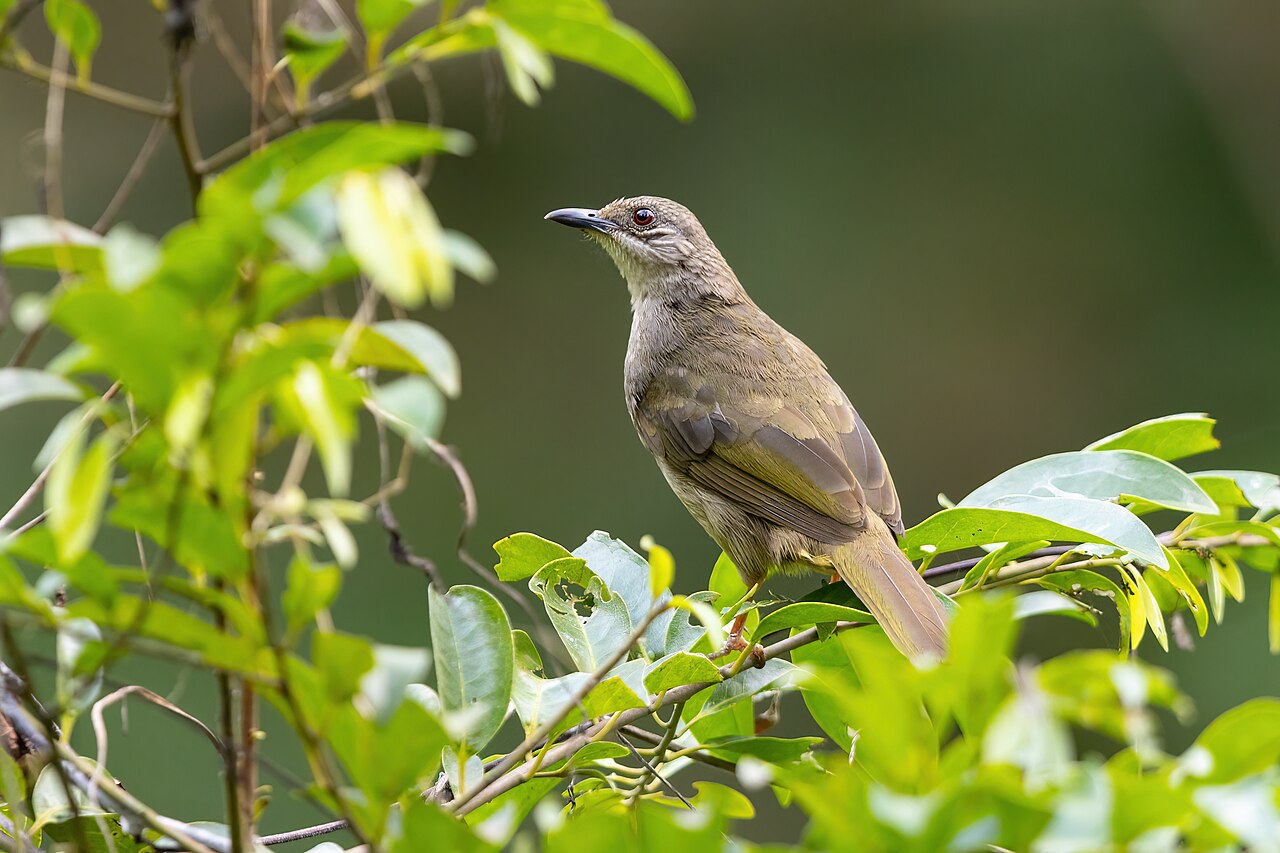
The olive-streaked flycatcher is a species of bird in the family Tyrannidae, the tyrant flycatchers. It is found in Costa Rica and Panama.
Region
Central American highlands (Costa Rica and western Panama)
Typical Environment
Inhabits humid montane and cloud forests, forest edges, and mature secondary growth. Most often found in the shaded understory to midstory near streams, landslides, and forest gaps where fruiting shrubs are common. It tolerates some habitat disturbance as long as a dense understory remains. Frequently forages along edges and along trails but retreats quickly into cover.
Altitude Range
600–2600 m
Climate Zone
Highland
Ease of Keeping
Beginner friendly: 1/5
This unobtrusive montane tyrant flycatcher is primarily a fruit-eater, often visiting small, berry-laden shrubs in the forest understory. Males perform subtle display flights and soft calls from favored perches, sometimes in loose leks. It builds a mossy, ball-like nest with a side entrance, typically placed on banks or overhanging stream edges.


Temperament
quiet and unobtrusive
Flight Pattern
short rapid wingbeats between perches
Social Behavior
Usually solitary or in pairs while foraging, occasionally accompanying mixed-species flocks to fruiting shrubs. Males may display from regular perches and engage in subdued lek-like gatherings. The nest is a mossy, globular structure with a side entrance placed on banks or near streams; clutch typically two eggs.
Migratory Pattern
Resident
Song Description
Song and calls are soft and high-pitched, a series of thin tseet notes and short trills. Vocalizations are easily overlooked, blending into the background of montane forest sounds.
Plumage
Olive-green upperparts with a finely streaked whitish throat and upper breast; underparts yellowish to olive-washed. Two buffy wingbars and slightly paler belly. Feathers appear soft and sleek, with subtle streaking concentrated on the neck and chest.
Diet
Primarily small fruits and berries from understory plants such as melastomes and pepper vines. It also takes small insects and other arthropods by short sallies or gleaning from foliage, especially when fruit is scarce. Foraging is deliberate and close to cover, with frequent returns to favored perches.
Preferred Environment
Dense understory and midstory of humid montane forest, forest edges, and along streams where fruiting shrubs are abundant. Often visits semi-open gaps, trailsides, and landslides with regenerating vegetation.