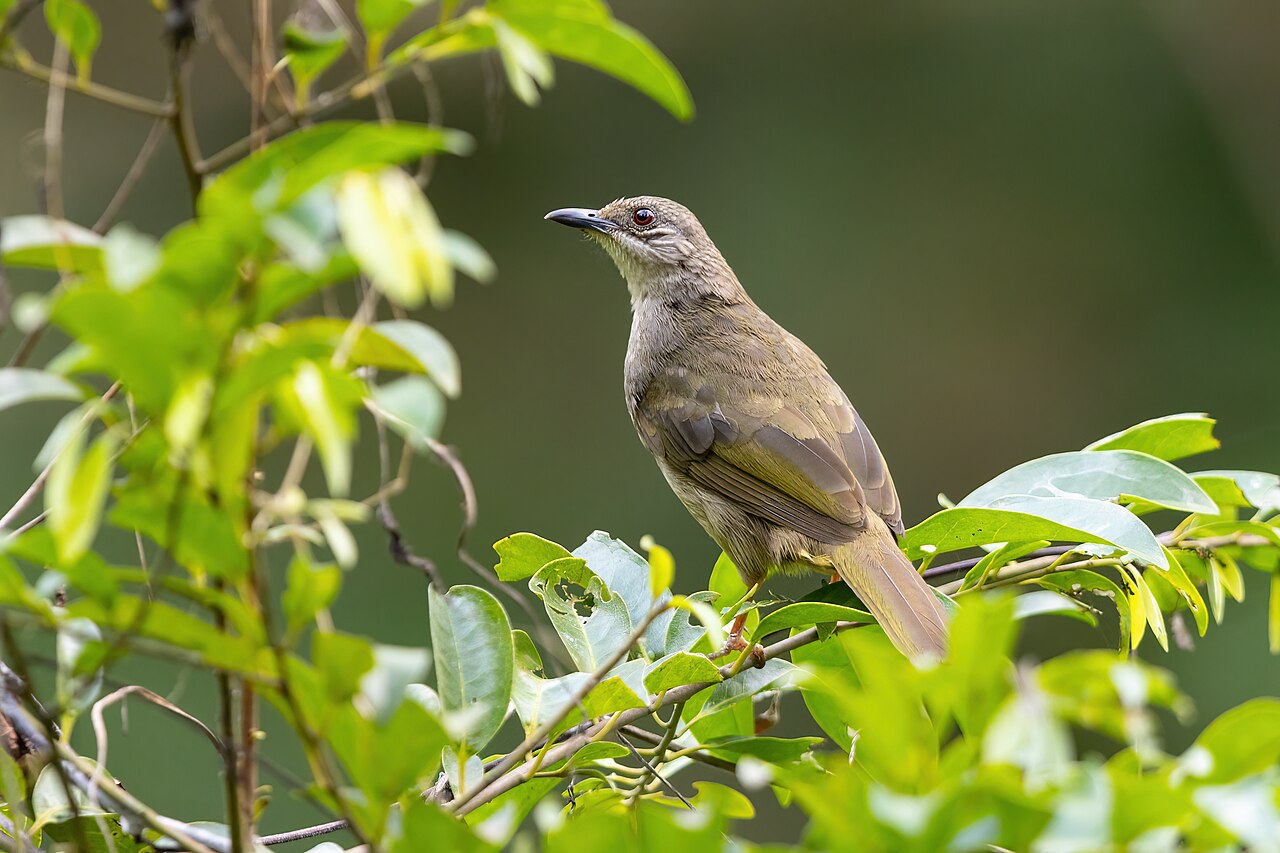
The olive-striped flycatcher is a species of bird in the family Tyrannidae, the tyrant flycatchers. It is found in Bolivia, Colombia, Ecuador, Panama, Peru, Trinidad, and Venezuela.
Region
Northern Andes and Trinidad
Typical Environment
Occurs from eastern Panama south through the Andes of Colombia, Ecuador, Peru, and Bolivia, with populations in northern Venezuela and on Trinidad. It favors humid foothill and montane forests, forest edges, and second growth near mature forest. Birds use the shaded understory to midstory and frequent fruiting trees and shrubs. It also follows streams and ravines where dense vegetation provides cover.
Altitude Range
200–2200 m
Climate Zone
Tropical
Ease of Keeping
Beginner friendly: 1/5
Despite its name, this flycatcher feeds largely on small fruits and plays an important role in seed dispersal in humid forests. It is a quiet, unobtrusive bird that often keeps to the midstory and edges, occasionally joining mixed-species flocks. The species builds mossy, pouch-like nests often suspended near shaded stream banks.


Temperament
quiet and unobtrusive
Flight Pattern
short rapid wingbeats with brief sallies
Social Behavior
Usually alone or in pairs, it forages methodically in the understory and midstory and may join mixed-species flocks at fruiting trees. Nests are mossy, pouch-like structures often suspended over streams or in shaded, humid sites. Breeding pairs defend small areas around the nest but are otherwise not strongly territorial.
Migratory Pattern
Resident
Song Description
Vocalizations are soft and high-pitched, consisting of thin tsee notes and short trills. The song is modest and easily overlooked amid other forest sounds, often delivered from shaded perches.
Plumage
Olive-green upperparts with subtly streaked olive-gray underparts and a paler belly. Wings show two pale, yellowish wing bars and slightly darker flight feathers. Overall appearance is soft-toned and mossy, blending well with humid forest foliage.
Diet
Primarily small fruits and berries from understory shrubs and midstory trees, including melastomes and other soft, fleshy fruits. It also takes small arthropods opportunistically by gleaning or short sallies. Seeds are often swallowed with the fruit and later dispersed, aiding forest regeneration.
Preferred Environment
Feeds in humid forest understory to midstory, along edges, gaps, and near fruiting trees. Frequently forages along shaded streams and ravines where fruiting shrubs are common.