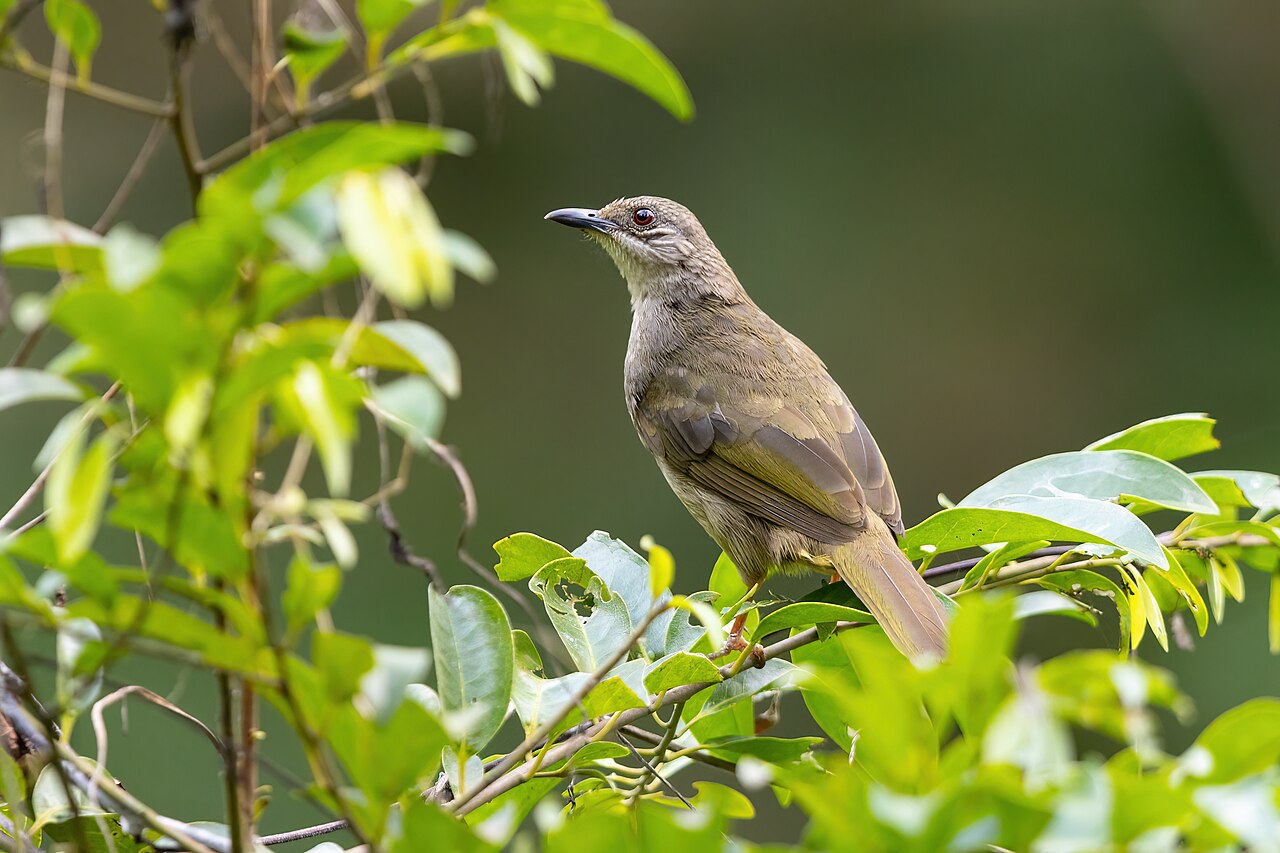
The olive-tree warbler is a species of passerine bird belongong to the family Acrocephalidae, the reed and tree warblers. It breeds in southeast Europe and the Near East. It is migratory, wintering in eastern and southern Africa, from Kenya south to South Africa.
Region
Southeast Europe and the Near East; winters in eastern and southern Africa
Typical Environment
Breeds from Greece and the Balkans through western Turkey and adjacent Near Eastern regions, where it occupies warm, open wooded habitats with scattered tall trees, especially olive groves and orchards. In winter it migrates to eastern and southern Africa, from Kenya south to South Africa. It favors tall scrub, dry woodland, and thornbush savannas in the non-breeding season. During migration it uses hedgerows, plantations, and other semi-open habitats. It tends to forage higher in the canopy than many similar warblers.
Altitude Range
Sea level to 1800 m
Climate Zone
Subtropical
Ease of Keeping
Beginner friendly: 1/5
The olive-tree warbler is the largest of the Hippolais warblers and belongs to the Acrocephalidae. It breeds in southeast Europe and the Near East, favoring olive groves, orchards, and open woodland. Its loud, rattling, scratchy warble is a key identification clue, often delivered from a high perch. Despite its name, it is primarily insectivorous and only occasionally takes small fruits.


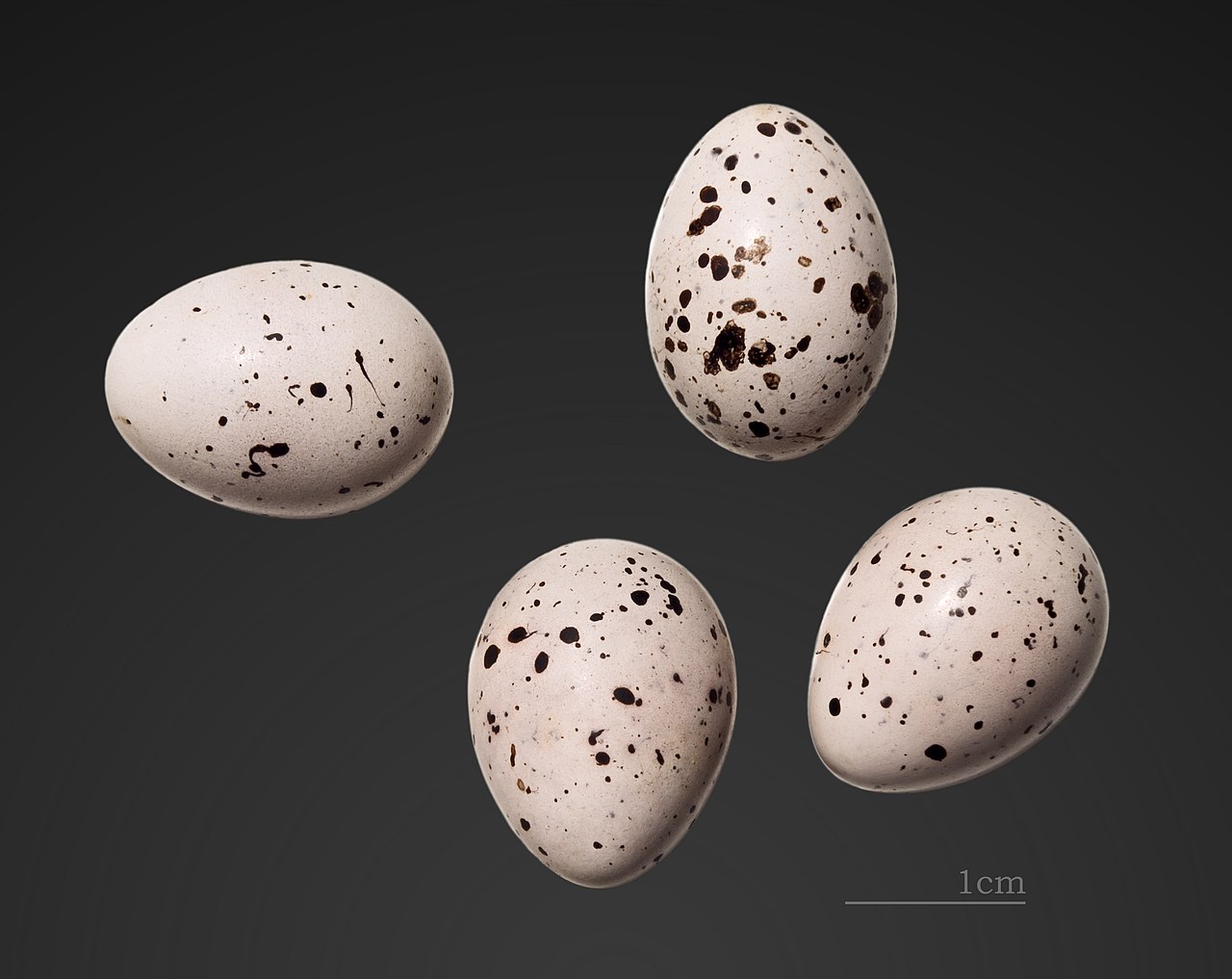
Eggs, Collection MHNT
Temperament
alert but skulking
Flight Pattern
direct flight with short, rapid wingbeats
Social Behavior
Breeds in pairs, typically monogamous, with a neat cup nest placed in a fork of a small tree or tall shrub, often an olive. Clutch size is usually 3–4 eggs, and both parents feed the young. Outside the breeding season it is more tolerant of conspecifics and may forage loosely with other insectivores. It often sings from exposed perches but drops to cover when disturbed.
Migratory Pattern
Seasonal migrant
Song Description
A loud, harsh, rattling warble composed of scratchy, creaky phrases delivered at a measured pace. Less fluid than icterine warbler, with grating elements and occasional mimicry. Often sung from the canopy of an olive or other tall tree.
Plumage
Plain grey-brown upperparts with slightly warmer tones on the wings and very pale, off-white underparts; overall smooth, unpatterned look.
Diet
Primarily insects and other arthropods, including beetles, caterpillars, grasshoppers, and spiders. It gleans from foliage and twigs and occasionally makes short sallies to snatch flying prey. In late summer and on migration it may add small berries or soft fruits.
Preferred Environment
Feeds high in the canopy of olive trees, orchards, tall shrubs, and open woodland edges. In winter it uses thornbush savanna and dry woodland, often selecting trees with a dense mid-to-upper canopy.