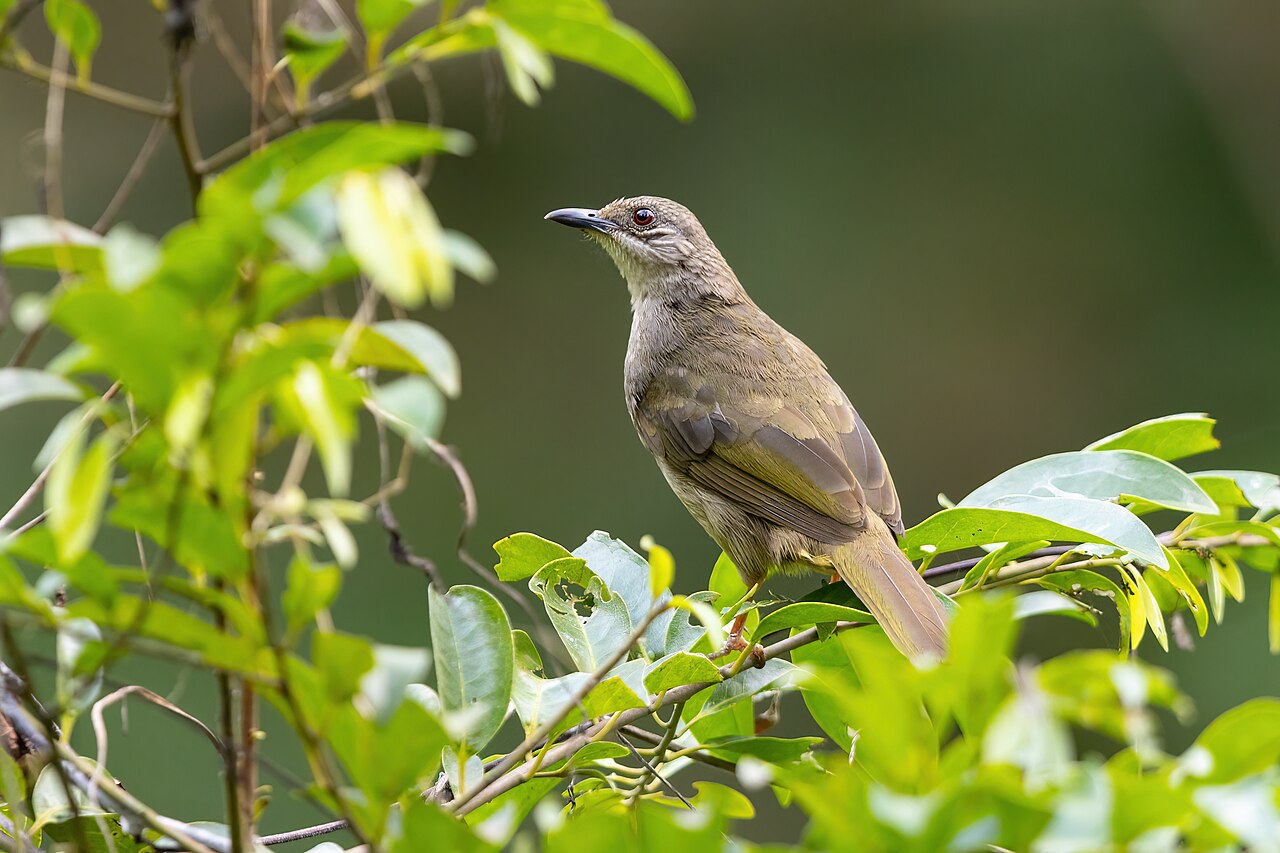
The olive-throated parakeet, also known as the olive-throated conure in aviculture, is a species of bird in subfamily Arinae of the family Psittacidae, the African and New World parrots. It is found from Mexico to Costa Rica and in Jamaica; it has been introduced to the Dominican Republic on Hispaniola.
Region
Mesoamerica and the Caribbean
Typical Environment
Occurs from southeast Mexico through Belize, Guatemala, and Honduras to northern Costa Rica, and on the island of Jamaica; introduced populations exist in the Dominican Republic. It inhabits open woodlands, dry and moist lowland forests, edges, scrub, mangroves, and second-growth. The species readily uses agricultural mosaics, plantations, and urban parks with mature trees. It favors areas with fruiting trees and palm stands and often forages along forest edges and clearings.
Altitude Range
0–1500 m
Climate Zone
Tropical
Ease of Keeping
Beginner friendly: 3/5
Also known in aviculture as the olive-throated conure, this small parakeet ranges from Mexico to Costa Rica and is native to Jamaica, with an introduced population in the Dominican Republic. It often nests in tree cavities and, in some areas, in arboreal termite mounds. Flocks are noisy and conspicuous in flight but can be surprisingly cryptic when feeding in foliage.


feeding on madre cacao (Gliricidia) in Belize

Temperament
social and active
Flight Pattern
swift, direct flight with rapid wingbeats
Social Behavior
Usually found in pairs or small flocks, occasionally forming larger groups at feeding sites or roosts. Breeds in tree cavities and in some regions in arboreal termite mounds. Pairs maintain close contact calls while feeding and show cooperative vigilance against predators.
Migratory Pattern
Resident
Song Description
Vocalizations are loud, sharp chatters and rolling screeches given in flight and from perches. Contact calls are repeated, metallic notes; flocks produce a continuous, nasal chatter when feeding.
Plumage
Mostly green with an olive-brown wash on the throat and upper breast; wings show bluish primaries and brighter green coverts. Underparts are lighter green with a slight yellowish tinge. Tail is long and tapered with reddish-brown tones below.
Diet
Feeds primarily on fruits, seeds, and berries, including figs and palm fruits. Also takes flower buds and nectar and may consume cultivated fruits when available. Seasonally tracks fruiting trees and can forage in mixed-species flocks around abundant resources.
Preferred Environment
Forages in the canopy and upper midstory of forests, edges, and secondary growth. Frequently visits plantations, orchards, and urban parks with fruiting trees.