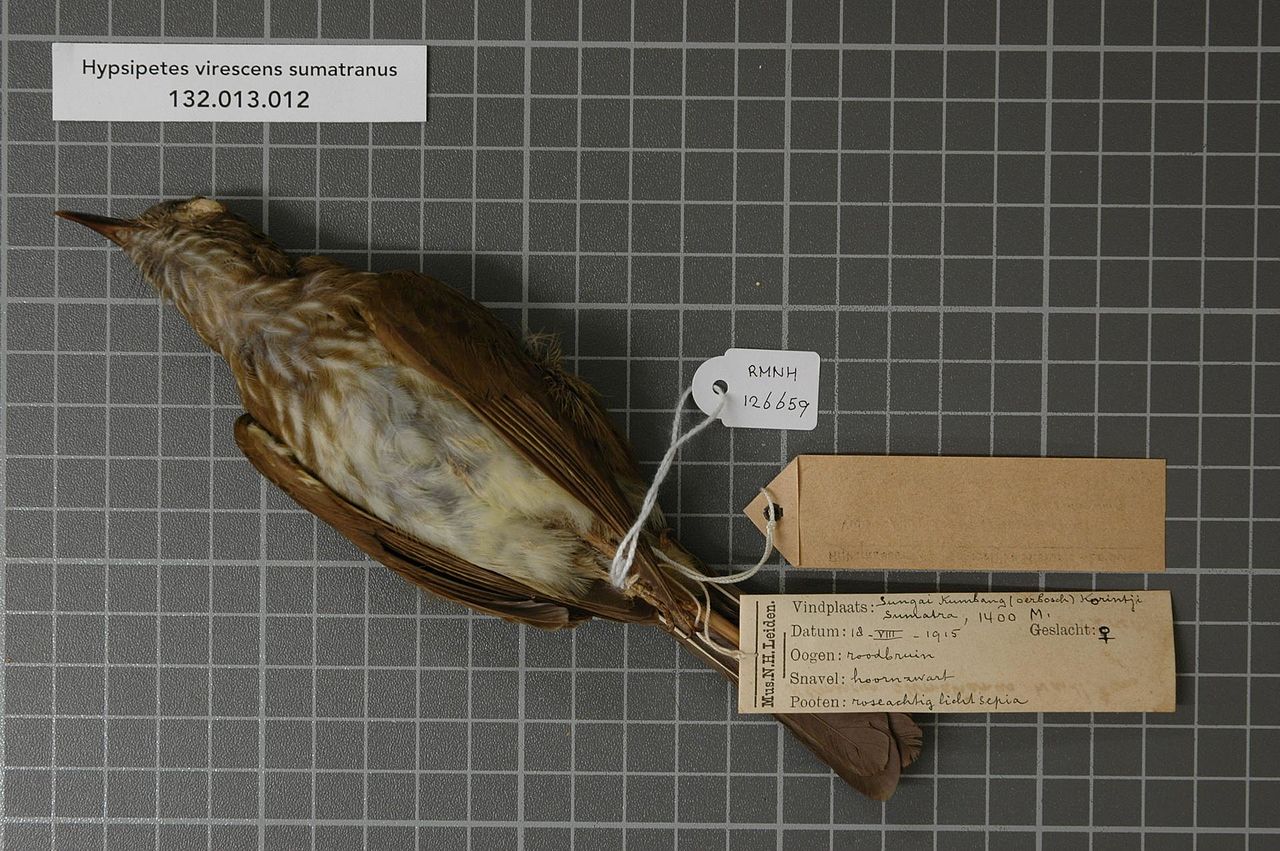
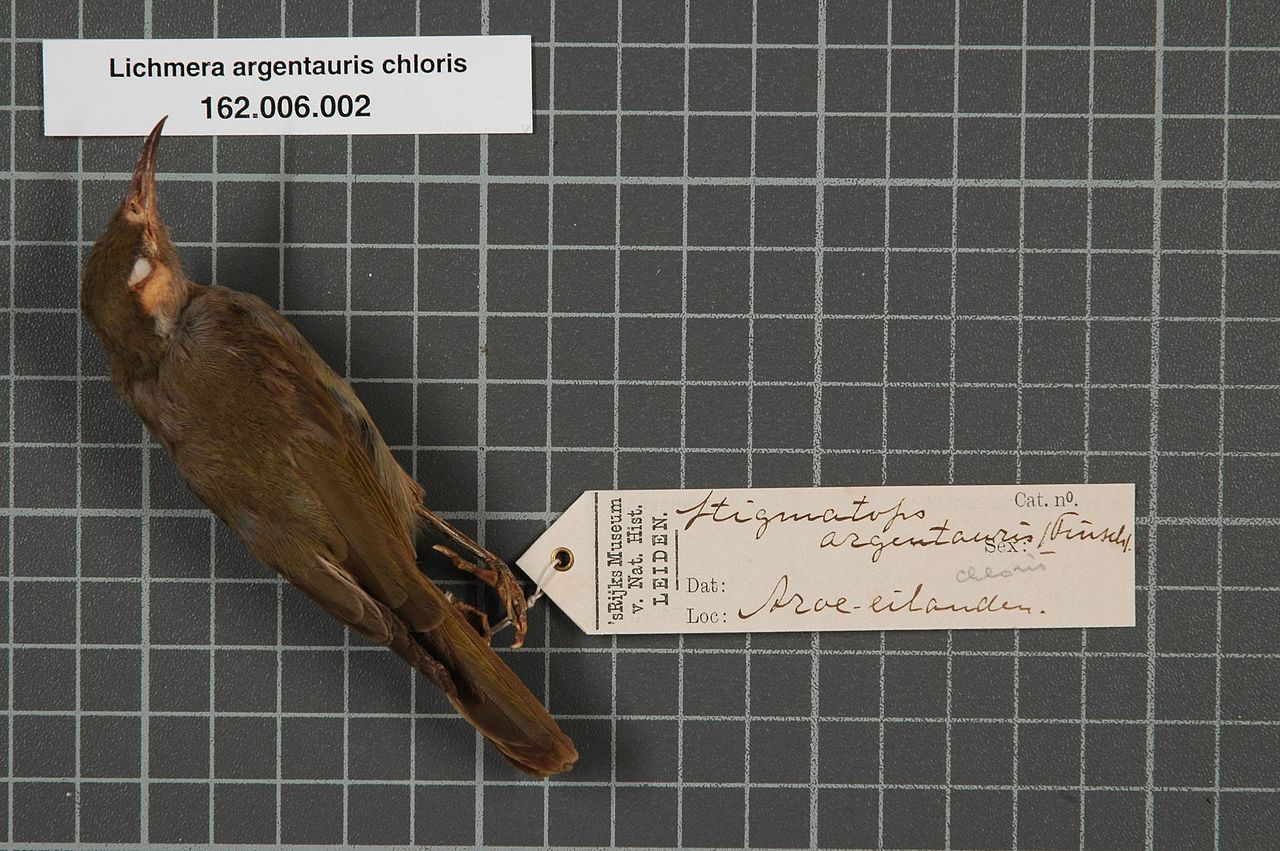
The olivaceous woodcreeper is a passerine bird in subfamily Dendrocolaptinae of the ovenbird family Furnariidae. It is found from central Mexico south through every Central American country, on the island of Tobago, and in every mainland South American country except Chile, French Guiana, and Suriname.
Region
Central America and northern–central South America
Typical Environment
Occurs from southern Mexico through Central America and widely across much of tropical South America, including Trinidad and Tobago. Inhabits humid lowland and foothill forests, forest edges, gallery forests, and mature secondary growth. It tolerates semi-open woodland and shade-grown plantations where large trees remain. Often forages from the understory to mid-canopy, using trunks, large limbs, and vine tangles.
Altitude Range
Sea level to 1800 m
Climate Zone
Tropical
Ease of Keeping
Beginner friendly: 1/5
The olivaceous woodcreeper is one of the smallest and most uniformly colored woodcreepers, often seen hitching up trunks while probing bark for hidden arthropods. It frequently joins mixed-species foraging flocks in tropical forests. Taxonomy is complex, with many subspecies and several proposed species-level splits across its wide Neotropical range.


Temperament
quiet and unobtrusive, often confiding at close range
Flight Pattern
short rapid wingbeats between perches
Social Behavior
Typically forages singly or in pairs but regularly joins mixed-species flocks. Nests in natural cavities or old woodpecker holes, with a simple lining. Clutch size is small, and both parents are thought to share feeding duties. Territorial singing is most common at dawn.
Migratory Pattern
Resident
Song Description
Song is a short series of clear, thin whistles that may rise or fall slightly, sometimes ending abruptly. Calls are high, sharp notes and soft contact chips given while foraging. Vocalizations carry modestly through the understory.
Plumage
Plain, smooth olive-brown to olivaceous plumage with slightly paler underparts and a subtly warmer, often rufescent tail. Feathers are unpatterned, giving a uniform look on head and body. Throat may show a faint buffy wash, and the tail contrasts slightly with the body.
Diet
Primarily takes arthropods such as beetles, ants, termites, spiders, and caterpillars. Gleans and probes from bark, crevices, and epiphytes, occasionally sallying short distances to seize prey. Rarely may take other small invertebrates or tiny vertebrates.
Preferred Environment
Forages on tree trunks, large branches, and vine tangles in shaded forest interior and edges. Often follows mixed flocks and may opportunistically attend small ant swarms, though not a specialist.