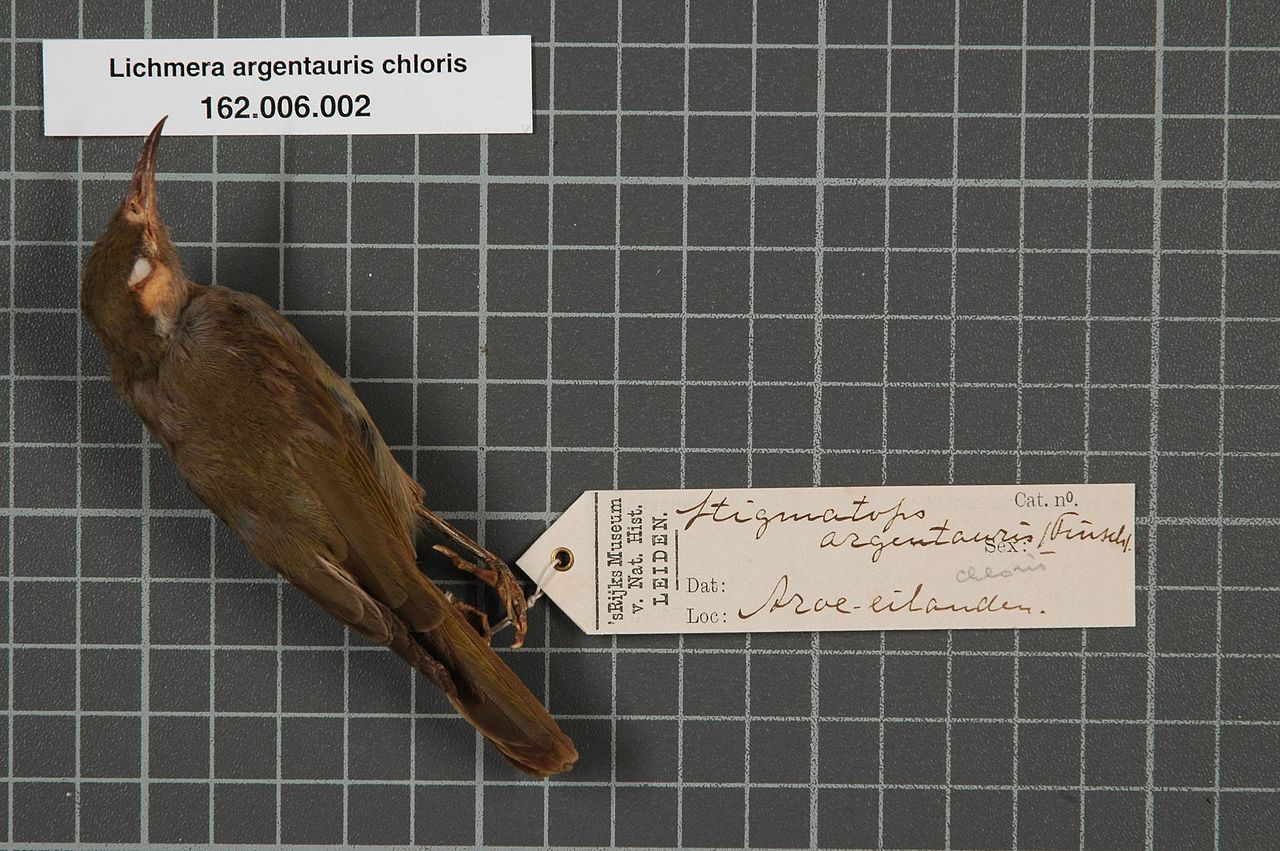
The olive bushshrike is a species of bird in the family Malaconotidae. It is found in Malawi, Mozambique, South Africa, Eswatini, and Zimbabwe. Its natural habitats are subtropical or tropical dry forest, subtropical or tropical moist lowland forest, subtropical or tropical moist montane forest, and subtropical or tropical dry shrubland. It forages for insects in the forest canopy.
Region
Southeastern Africa
Typical Environment
Occurs from eastern South Africa north through Eswatini and Mozambique into Zimbabwe and Malawi. It occupies subtropical coastal and montane forests, riverine woodland, and dense secondary thickets. The species favors well-vegetated interiors and edges where it can remain concealed. It often forages in the mid to upper canopy and along vine tangles.
Altitude Range
Sea level to 1800 m
Climate Zone
Subtropical
Ease of Keeping
Beginner friendly: 1/5
A shy, canopy-loving bushshrike that is more often heard than seen, it inhabits dense forests and thickets in southeastern Africa. Pairs commonly perform antiphonal duets, with one bird answering the other’s whistles. It can be locally affected by forest loss but remains widespread where suitable cover persists.

Temperament
secretive and territorial
Flight Pattern
short rapid wingbeats between dense cover
Social Behavior
Usually found singly or in pairs that maintain territories year-round. Nests are small cups placed in dense vegetation, often well hidden. Both adults participate in territory defense and care of young, and pairs may duet frequently.
Migratory Pattern
Resident
Song Description
Song consists of clear, mellow whistles often delivered as antiphonal duets between mates. Calls include sharp notes and soft churring contact sounds from within cover.
Plumage
Olive-green upperparts with a paler, slightly yellow-olive underside and a lighter throat. The plumage is smooth and fairly uniform, giving a clean, unspotted appearance. Bill is dark and slightly hooked, typical of bushshrikes.
Diet
Primarily hunts insects such as beetles, caterpillars, orthopterans, and spiders, gleaned from foliage and bark. It occasionally takes small invertebrates flushed from leaves and may sally short distances to pick prey. Small amounts of fruit may be eaten opportunistically.
Preferred Environment
Feeds in dense thickets, forest edges, and the mid to upper canopy of moist and dry forests. Often forages methodically along vine tangles and leafy branches, sometimes joining mixed-species flocks.