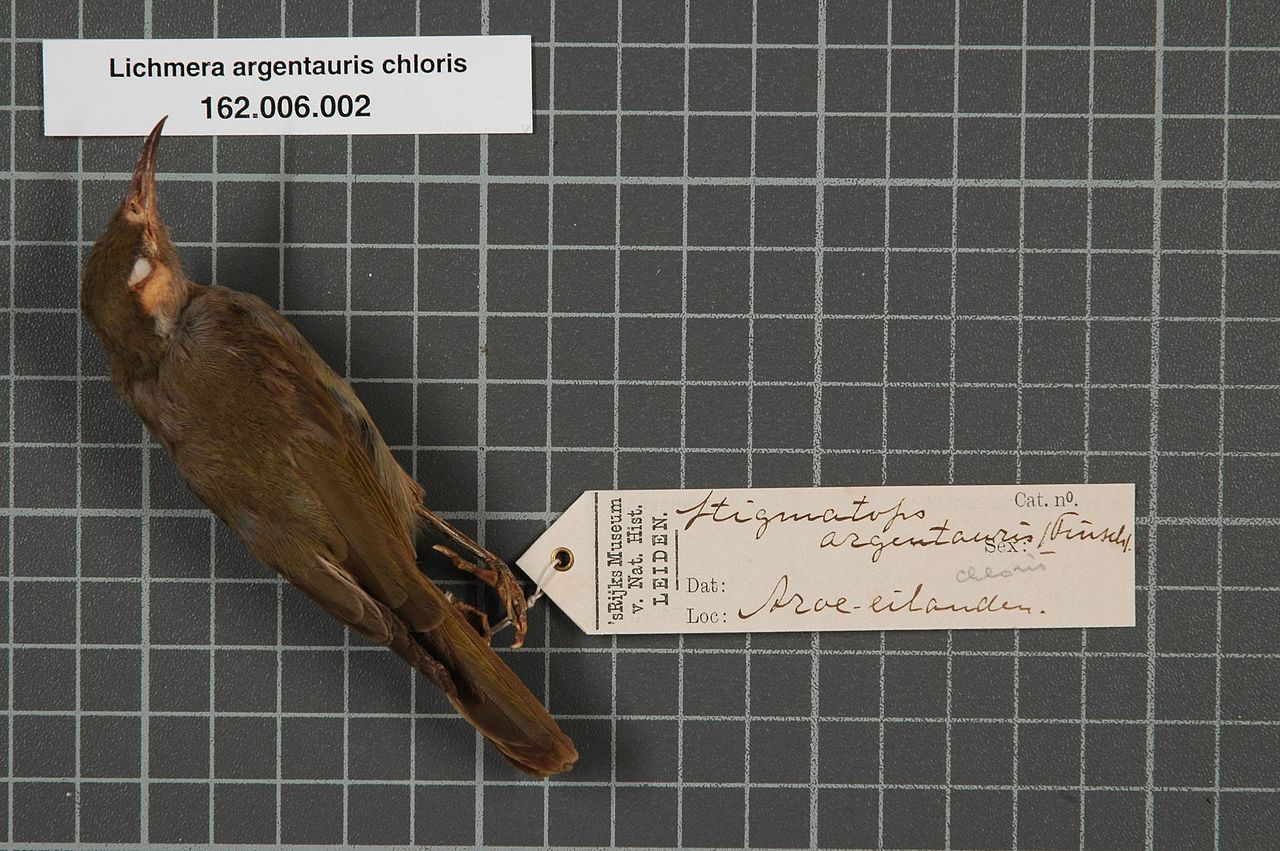
The olive flyrobin is a species of bird in the Australasian robin family Petroicidae that is found in New Guinea. Its natural habitat is subtropical or tropical moist lowland forests.
Region
New Guinea
Typical Environment
Found throughout the lowland and foothill rainforests of New Guinea, including swamp forest, riverine forest, and secondary growth. It favors shaded understory and forest edges where scattered perches allow short foraging flights. The species also uses partially disturbed habitats so long as undergrowth remains dense. It is absent from high montane zones and open grasslands.
Altitude Range
Sea level to 1200 m
Climate Zone
Tropical
Ease of Keeping
Beginner friendly: 1/5
The olive flyrobin is a small Australasian robin of New Guinea’s lowland rainforests, where it flits from low perches to catch insects in short sallies. It often joins mixed-species foraging flocks in the forest understory. Males and females look very similar, with subtle olive tones that provide excellent camouflage among foliage.

Temperament
solitary and territorial
Flight Pattern
short rapid wingbeats with brief sallying flights
Social Behavior
Usually seen alone or in pairs maintaining small territories in the understory. Forms loose associations with mixed-species flocks while foraging. Cup-shaped nest is placed low to mid-level in vegetation; both parents participate in provisioning young.
Migratory Pattern
Resident
Song Description
A soft, thin series of high-pitched whistles and tseep notes delivered from shaded perches. Calls are quiet but frequent while foraging, aiding contact between pair members.
Plumage
Soft olive-green upperparts with paler olive to yellowish-olive underparts and a slightly lighter throat and belly; subtle, smooth texture without bold spotting.
Diet
Primarily small insects and other arthropods, taken by sallying from low to mid-level perches. It also gleans prey from leaves and twigs in dense understory. Occasional small spiders and caterpillars are included in the diet.
Preferred Environment
Feeds in shaded understory and along forest edges, often near gaps and along streams where insect activity is high. Uses exposed twigs or lianas as launch points for short aerial sallies.