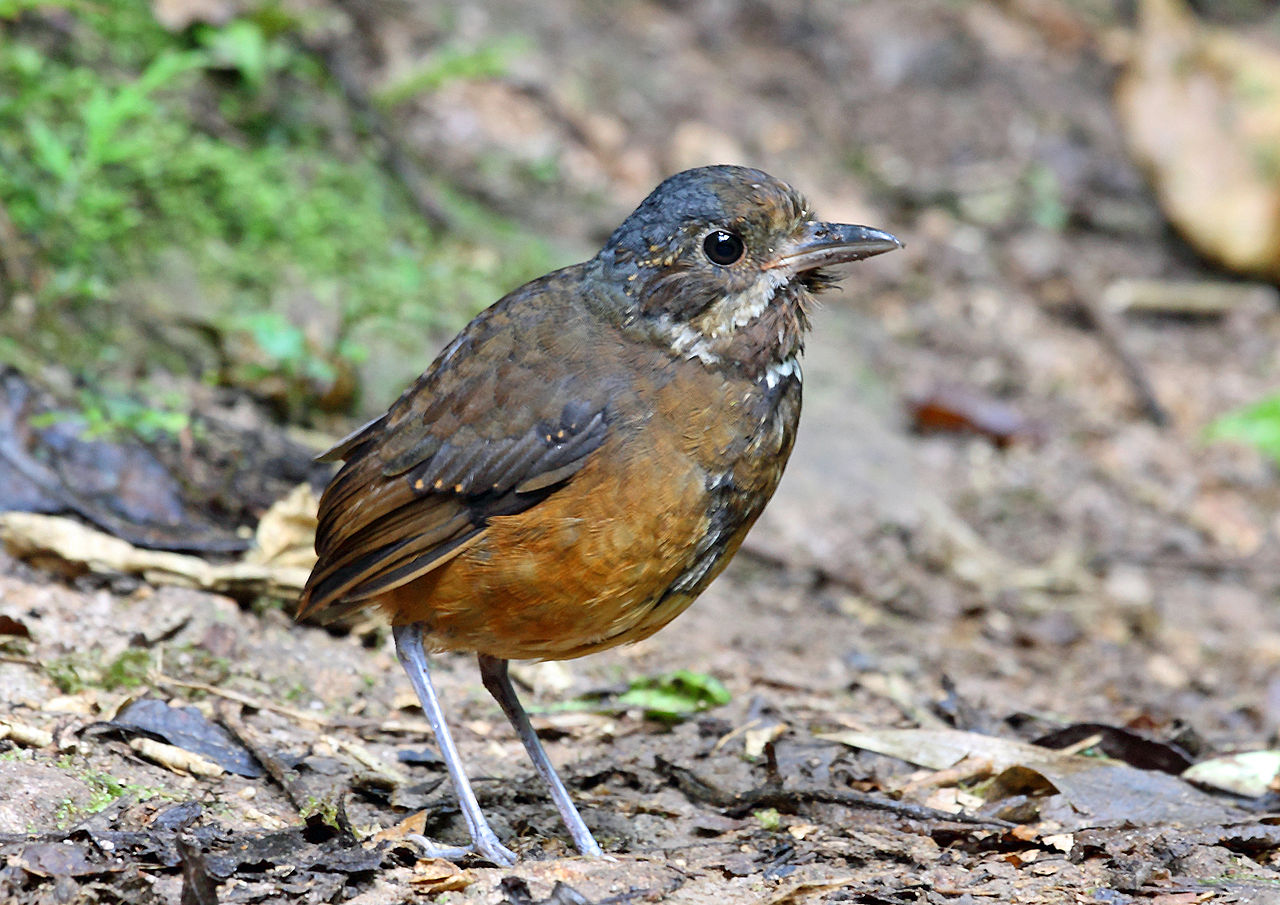
The mouse-colored tyrannulet is a species of bird in subfamily Elaeniinae of the tyrant flycatchers family Tyrannidae. It is found from Costa Rica and Panama south to Brazil and northern Argentina. The mouse-colored tyrannulet has sometimes been split into two species, the northern mouse-colored tyrannulet and the southern mouse-colored tyrannulet.
Region
Central and South America
Typical Environment
Occurs from southern Central America (Costa Rica and Panama) through much of northern and central South America to Brazil, Bolivia, and northern Argentina. It inhabits forest edges, second growth, scrub, savannas with scattered trees, riverine gallery forests, and semi-open woodlands. The species tolerates disturbed habitats and can be found in rural areas and gardens near natural cover. It is generally a lowland to foothill bird, with local elevational movements in some regions.
Altitude Range
Sea level to 2000 m
Climate Zone
Tropical
Ease of Keeping
Beginner friendly: 1/5
A small, drab tyrannulet that often goes unnoticed despite being widespread from Central to much of South America. It was formerly placed in the genus Phaeomyias and has been treated by some authorities as two species (northern and southern forms). It frequently joins mixed-species flocks and is identified as much by behavior and voice as by plumage.


Temperament
quiet and unobtrusive
Flight Pattern
short rapid wingbeats with brief sallies from low to mid-level perches
Social Behavior
Usually found singly or in pairs, often accompanying mixed-species flocks in edge and second-growth habitats. Nests are small cups placed low to mid-height in shrubs or trees. Pairs maintain modest territories and show discrete, cryptic behavior during breeding.
Migratory Pattern
Resident
Song Description
A thin, high-pitched series of chips and short trills, often delivered from inside foliage. Calls are soft tsip notes; the song can be easily overlooked in noisy habitats.
Plumage
Plain, mouse-gray to brownish-olive upperparts with paler grayish underparts and a slightly whitish throat; overall smooth, unpatterned appearance.
Diet
Feeds primarily on small insects and other arthropods, including flies, beetles, and caterpillars. Captures prey by short sallies from exposed or semi-hidden perches and by gleaning from leaves and twigs. May occasionally take tiny berries when insects are scarce, but animal prey dominates.
Preferred Environment
Forages along forest edges, second growth, scrubby clearings, and riverbanks, typically at low to mid-levels. Often works the outer foliage and vine tangles where prey is abundant.