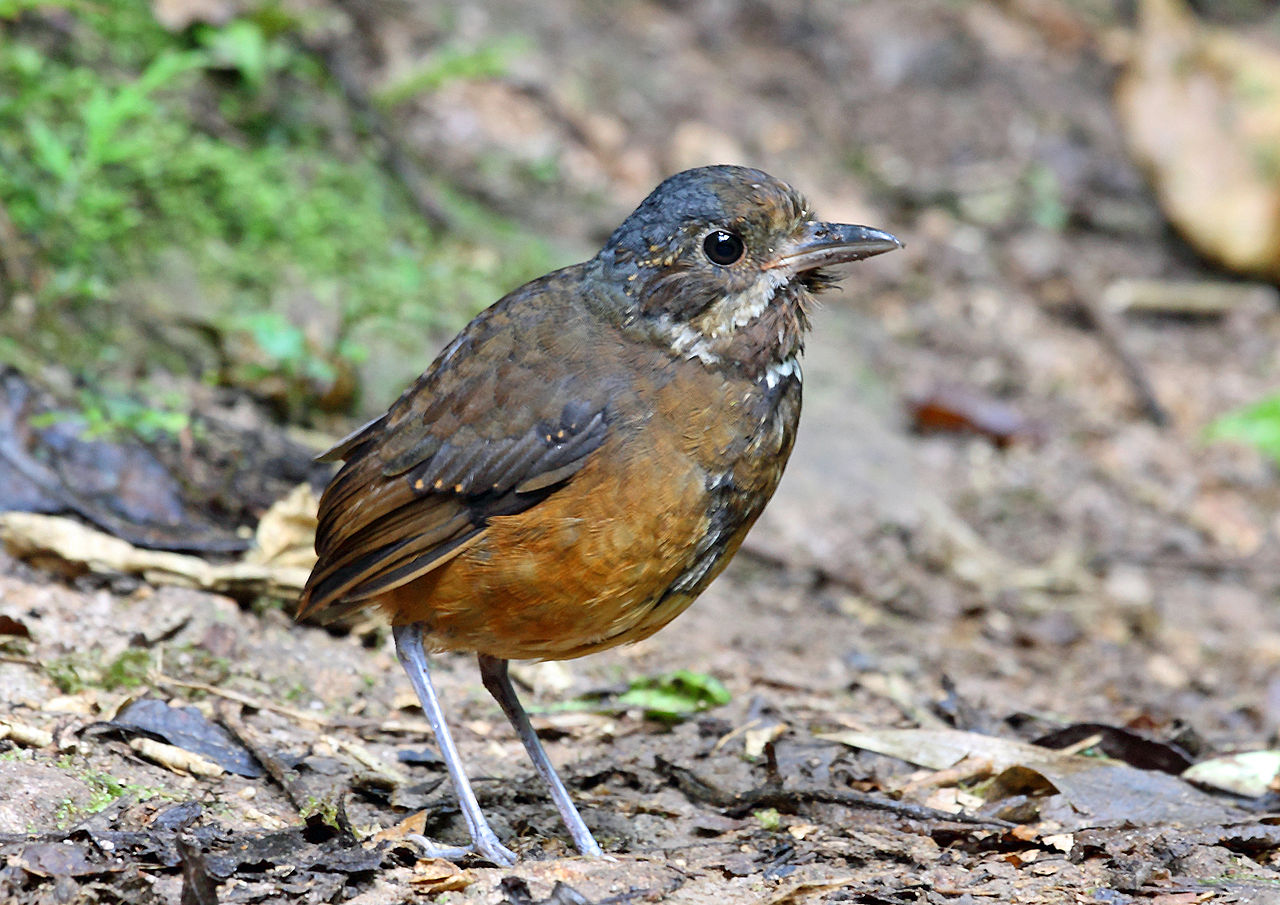
The mouse-gray flycatcher or mouse-grey flycatcher is a species of bird in the family Tyrannidae, the tyrant flycatchers. It is found in Colombia, Ecuador, and Peru.
Region
Andes Mountains
Typical Environment
Occurs on the Andean slopes and foothills of Colombia, Ecuador, and Peru, favoring humid to semi-humid montane forest and edges. It is most often found in the understory and mid-story near clearings, roadsides, and along streams. It uses secondary growth, forest borders, and shrubby thickets, where small open gaps aid its short sallying flights. Local abundance can be higher in moderately disturbed habitats with ample perches.
Altitude Range
800–2300 m
Climate Zone
Highland
Ease of Keeping
Beginner friendly: 1/5
A small, drab tyrant flycatcher of the Andean region, it is easily overlooked as it forages quietly in the understory. The name refers to its mouse-gray tones and stealthy, mouse-like movements along branches. It typically sallies short distances to snatch insects and often flicks its tail and wings between foraging bouts. It may join mixed-species flocks in forest edges and secondary growth.


Temperament
solitary and inconspicuous
Flight Pattern
short rapid wingbeats with brief sallying flights
Social Behavior
Usually encountered singly or in pairs, maintaining small foraging territories. Frequently joins mixed-species flocks moving through forest edges and secondary growth. Nests are likely small cup nests placed low to mid-level in shrubs or small trees, with both parents attending the young.
Migratory Pattern
Resident
Song Description
Song is a thin, high-pitched series of seep notes and short trills, often delivered from a shaded perch. Calls include dry ticks and soft tsip notes used during foraging. Vocalizations are modest in volume and can be easily missed in background insect noise.
Plumage
Overall dull mouse-gray to brownish-gray above with paler grayish or buff-washed underparts; subtle contrast between throat and breast. Typically shows faint pale wingbars and a slight pale eye ring. Feathering is smooth and unremarkable, aiding camouflage in shaded understory.
Diet
Feeds primarily on small flying and crawling insects such as flies, beetles, and small caterpillars. Uses perch-and-sally techniques to snatch prey from the air or glean from foliage. Occasionally takes small berries when insect activity is low.
Preferred Environment
Forages along forest edges, light gaps, riparian thickets, and secondary growth where visibility and perch availability are high. Often keeps to shaded understory and mid-story strata.