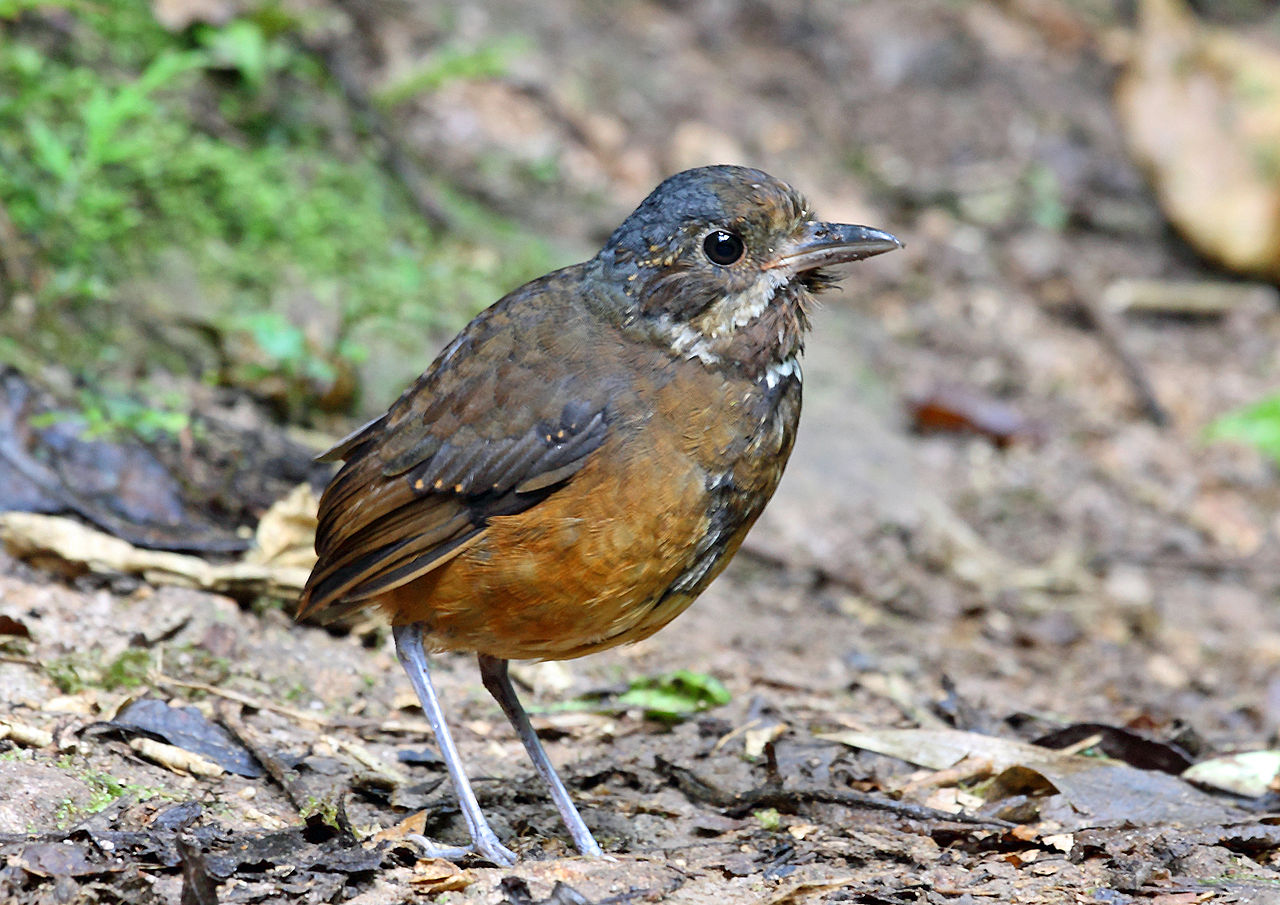
The mouse-coloured penduline tit or mouse-colored penduline tit is a species of bird in the family Remizidae. At 8 cm (3.1 in) in length, it is one of the two shortest birds native to Africa, alongside the tit hylia.
Region
Horn of Africa and East Africa
Typical Environment
Found in semi-arid acacia–Commiphora bushland, thorn scrub, dry savanna, and coastal thicket. It favors thorny trees and shrubs both for foraging and nesting, and tolerates lightly degraded scrub or sparsely wooded farmland edges. Nests are small, pear-shaped, and suspended from fine outer branches, woven from plant down and spider silk with a side entrance and sometimes a false entrance. It typically occurs in low, open habitats with scattered trees and dense bush patches.
Altitude Range
0–2000 m
Climate Zone
Arid
Ease of Keeping
Beginner friendly: 1/5
At about 8 cm in length, the mouse-coloured penduline tit is among the smallest birds in Africa, rivaled only by the tit hylia. It is an agile foliage-gleaner of dry thornbush and acacia scrub, where it forages in pairs or small family groups. Like other penduline tits, it weaves intricate, pendulous nests from plant fibers and spider silk, often with a deceptive false entrance to deter predators.


Temperament
active and somewhat skulking
Flight Pattern
short rapid wingbeats
Social Behavior
Usually seen in pairs or small family parties, occasionally joining mixed-species flocks in scrub. Builds intricate pendulous nests in thorny trees using fine fibers and spider silk, sometimes with a false entrance chamber. Breeding is timed to local rains, and both sexes participate in nest construction and care.
Migratory Pattern
Resident
Song Description
Voice is high-pitched and thin, with soft tsee-tsee contact notes. Song is a short, tinkling series of high trills and chips delivered from within shrub cover.
Plumage
Plain mouse-grey to sandy-brown upperparts with paler, buff-washed underparts and a whitish throat; overall smooth, compact plumage with minimal patterning.
Diet
Primarily small arthropods such as insects, larvae, and spiders gleaned from leaves, twigs, and bark. It probes into curled leaves and seedheads and occasionally takes tiny seeds when insects are scarce. Foraging is quick and methodical, often hanging briefly to reach the undersides of foliage.
Preferred Environment
Feeds within acacia and thorn scrub canopies from low to mid-levels, especially in dense bushes and outer branch tips. Often uses thorny shrubs and scattered trees in dry savanna and bushland mosaics.