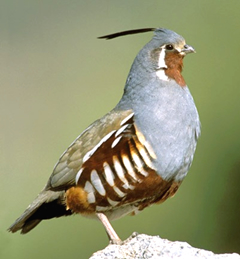
The mountain parakeet, also known as the golden-fronted parakeet, is a species of parrot, one of two in the genus Psilopsiagon within the family Psittacidae. It is found in the Puna grassland. Its natural habitat is subtropical or tropical high-altitude shrubland. Four subspecies are recognised.
Region
Andes Mountains
Typical Environment
Found along the central Andes from southern Peru through western Bolivia into northern Chile and northwestern Argentina. It inhabits open Puna grassland, arid montane shrublands, canyon slopes, and sparsely vegetated rocky hillsides. Birds frequently use agricultural edges and towns at high elevation, especially where seeding grasses and shrubs are abundant. Local movements track seasonal seeding and flowering of native plants, and flocks may descend to lower valleys during harsh weather.
Altitude Range
1500–4500 m
Climate Zone
Highland
Ease of Keeping
Beginner friendly: 2/5
Also called the golden-fronted parakeet, this small Andean parrot lives high in the Puna and adjacent shrublands. It often forms lively, fast-moving flocks and may make short upslope or downslope movements with food availability. Four subspecies are recognized across its range. It sometimes nests colonially in earthen banks or rocky crevices.


Temperament
social and active
Flight Pattern
short rapid wingbeats with swift, direct flight
Social Behavior
Usually seen in small to medium flocks that keep in contact with constant chattering. Breeds in loose colonies or scattered pairs, often using burrows in earthen banks, rock crevices, or holes in structures. Pairs are monogamous and both adults attend the nest and young.
Migratory Pattern
Partial migrant
Song Description
A rapid series of high-pitched chirps and twitters, given continuously in flight. When perched, calls soften to conversational, rolling notes with occasional sharper contact calls.
Plumage
Small, slender parakeet with mostly green plumage and a long, pointed tail; feathers are smooth and close-fitting. The forehead and forecrown show a golden-yellow wash, with slightly paler throat and underparts. Flight feathers may have a faint bluish tinge; tail is graduated and narrow.
Diet
Primarily consumes seeds of grasses and shrubs, along with buds, flowers, and soft fruits when available. It forages both on the ground and in low shrubs, picking seeds directly from seedheads. In agricultural zones it may take spilled grain and weed seeds. Water is taken from streams and seepage, especially in dry seasons.
Preferred Environment
Open montane habitats with scattered shrubs, puna grasslands, rocky slopes, and edges of farmland or villages. Frequently concentrates where grasses are seeding and near water sources.