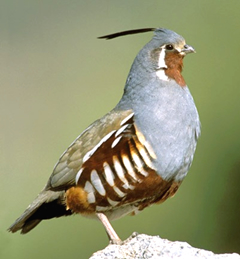
The mountain pipit is a species of bird in the family Motacillidae.
Region
unknown
Typical Environment
Typically occupies montane and subalpine grasslands, alpine meadows, and open heath with scattered rocks. Prefers areas with short to medium-height grasses for foraging and nearby tussocks or clumps for cover and nesting. Often uses gently sloping to steep hillsides, including grassy ridgelines and plateaus. May move downslope in winter if snow or harsh weather reduces food availability at higher elevations.
Altitude Range
1500–4000 m
Climate Zone
Highland
Ease of Keeping
Beginner friendly: 2/5
Mountain pipits are slender, ground-oriented songbirds of the family Motacillidae that frequent open, grassy slopes at higher elevations. They often pump their tails as they walk and perform fluttering song-flights over their territories. Identification can be tricky among similar pipits, but the combination of a streaked breast, pale supercilium, and white outer tail feathers is helpful. They nest on the ground, usually concealed at the base of grass tussocks.


Temperament
wary but active
Flight Pattern
short rapid wingbeats with undulating passages; fluttering song-display with parachute descent
Social Behavior
Breeds in solitary pairs with well-defined territories. Nest is a shallow cup on the ground, often tucked into grass or under a clump. Outside the breeding season, may form small loose flocks while foraging.
Migratory Pattern
Partial migrant
Song Description
Song is a thin, tinkling series of high-pitched notes delivered from a short aerial display or a perch. Calls include fine tsip or tseeps that carry over open ground.
Plumage
Streaked brown upperparts with darker mantle streaking and paler fringes; buff to whitish underparts with fine streaking across the breast; cleaner whitish belly. Tail shows contrasting white outer feathers visible in flight and when flicked.
Diet
Feeds mainly on small invertebrates such as beetles, ants, flies, caterpillars, and spiders. Gleans prey from the ground and low vegetation, picking quickly while walking. Will occasionally take small seeds, especially outside the breeding season.
Preferred Environment
Forages in open grassland with patches of bare soil or short turf that allow unobstructed walking and sight-feeding. Often works along paths, rock edges, and lightly grazed swards where prey is easier to spot.