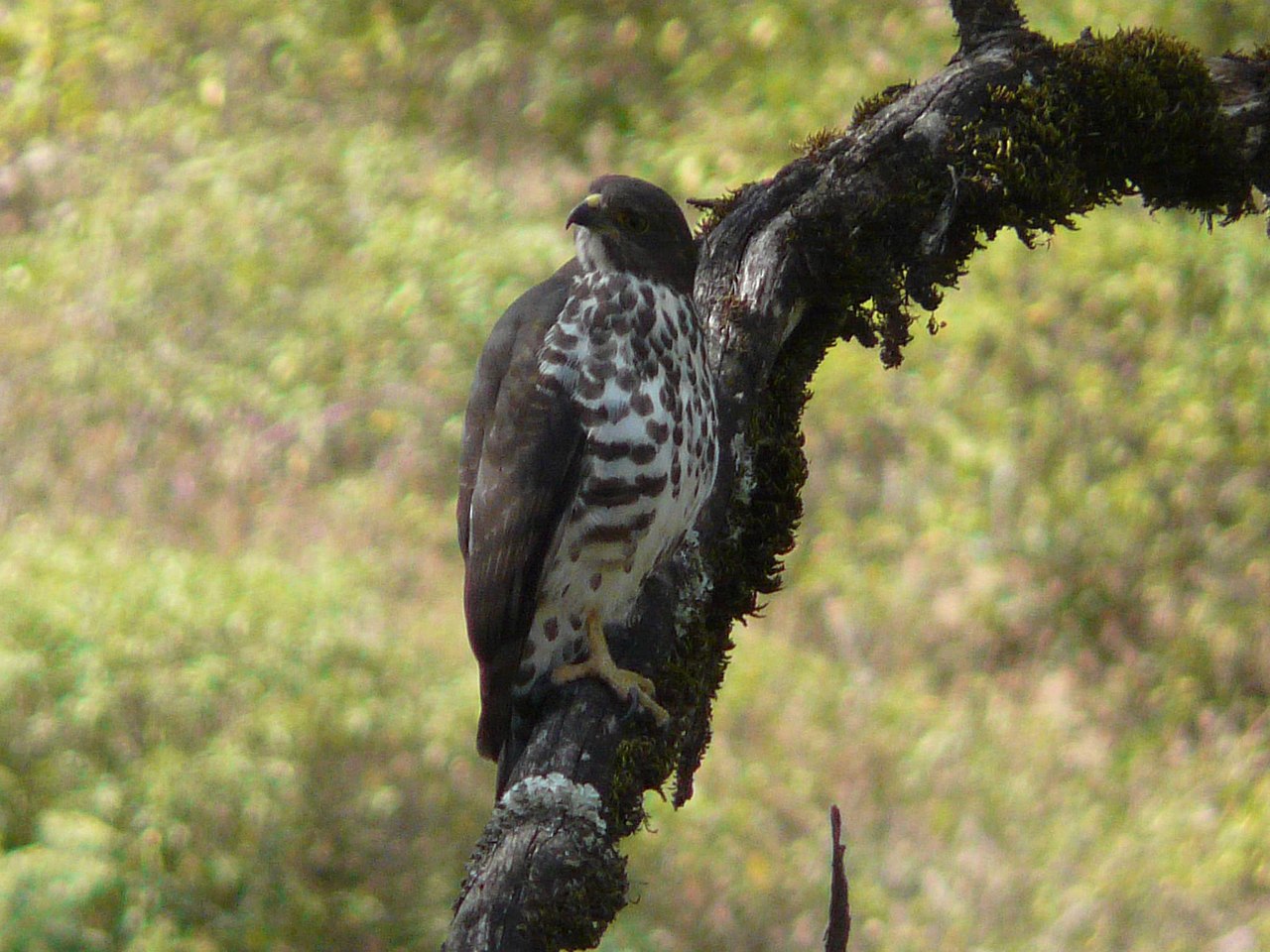
The mountain bamboo partridge is a species of bird in the family Phasianidae. It is found in Bangladesh, Tibet, India, Laos, Myanmar, Thailand, and Vietnam.
Region
Southeast Asia and Himalayan foothills
Typical Environment
Occurs from northeastern India and Bangladesh through Myanmar and into southern China (including Tibet), Laos, Thailand, and Vietnam. It favors dense bamboo stands within montane and foothill forests, as well as secondary growth, scrub, and forest edges. The species often uses steep, brushy slopes and gullies where bamboo forms a thick understory. It may venture to nearby cultivated margins but remains close to cover. Local presence can be patchy, tracking the availability of bamboo thickets.
Altitude Range
300–2600 m
Climate Zone
Highland
Ease of Keeping
Beginner friendly: 2/5
A shy, ground-dwelling partridge that keeps to dense bamboo thickets and adjacent understory. It often moves in small coveys and bursts into flight with an explosive, whirring takeoff when flushed. Its preference for bamboo habitat links its distribution to montane and foothill forests across parts of South and Southeast Asia. By eating seeds and invertebrates, it helps with seed dispersal and natural pest control.


Temperament
shy and secretive
Flight Pattern
short rapid wingbeats with brief glide
Social Behavior
Usually encountered in pairs or small coveys that skulk through dense cover. Nests are shallow ground scrapes concealed in grass or bamboo, with breeding in the warm season. Coveys break up into breeding pairs, re-forming after the young are fledged.
Migratory Pattern
Resident
Song Description
A loud, far-carrying series of clear whistles and sharp notes, often delivered from cover. Calls can accelerate into a chattering sequence when birds are alarmed or keeping contact within a covey.
Plumage
Heavily mottled and barred plumage with a mix of rufous, brown, buff, and grey tones; underparts show dark spotting and scaling. Face and neck are warm rufous with a contrasting pale throat often edged by a darker border. Back and wings are patterned with bold barring that provides excellent camouflage in bamboo litter. Sexes are similar, females slightly duller.
Diet
Feeds on a mix of seeds and grains, bamboo shoots and buds, tender leaves, berries, and various invertebrates such as beetles, ants, and small grubs. It scratches in leaf litter to uncover food and will pick seeds directly from fallen bamboo. Seasonal availability of bamboo seeds and forest fruits influences diet composition.
Preferred Environment
Forages on the ground under dense bamboo and tangles of understory near forest edges and along trails. It also uses scrubby hillsides and the margins of cultivated plots adjacent to forest, seldom straying far from cover.