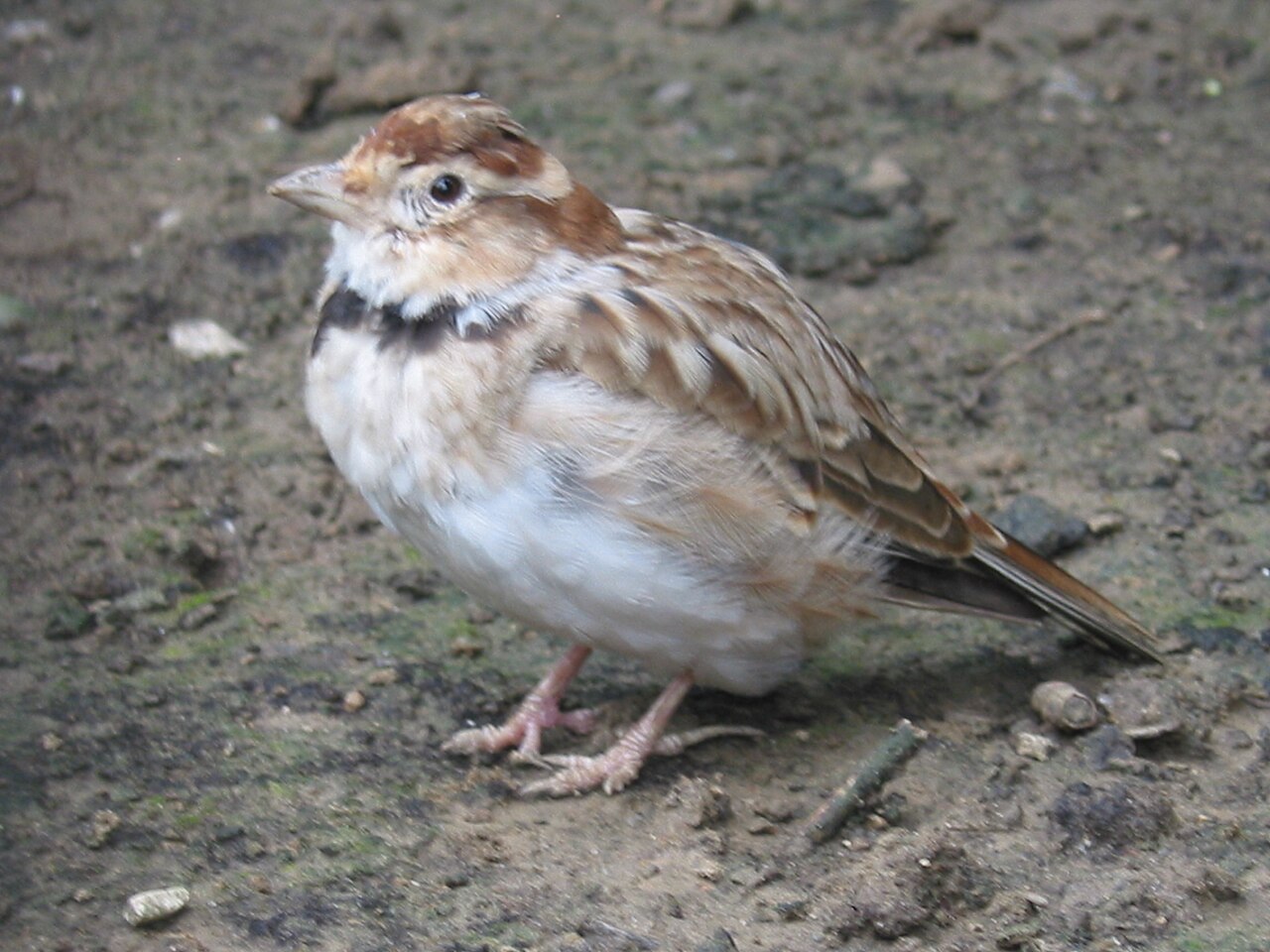
The Mongolian ground jay or Henderson's ground jay is a species of bird in the family Corvidae.
Region
Gobi Desert
Typical Environment
Occurs in arid and semi-arid deserts and steppe-deserts of Mongolia and northern China (including Inner Mongolia and Xinjiang). Favors open plains with scattered shrubs such as saxaul and saltbush, low dunes, gravel flats, and dry riverbeds. Avoids dense vegetation and high mountains, sticking to broad, open terrain where it can run and forage. Often seen near shrub patches that provide nesting cover and limited shade.
Altitude Range
600–2200 m
Climate Zone
Arid
Ease of Keeping
Beginner friendly: 1/5
Also called Henderson's ground jay, this desert corvid spends much of its time running rather than flying, using long legs to dash between shrubs. Its slightly downcurved bill is used to probe soil and leaf litter, flip small stones, and glean insects. Pairs maintain territories and are highly adapted to open, sparsely vegetated habitats of the Gobi region.

Temperament
wary and territorial
Flight Pattern
prefers running; low, direct flights with short rapid wingbeats
Social Behavior
Usually seen in pairs or small family groups. Nests are placed low in shrubs or small bushes, using twigs and grass. Both parents attend the young, with cooperative defense of the territory around the nest.
Migratory Pattern
Resident
Song Description
Vocalizations are harsh, chattering calls and nasal, rasping notes typical of corvids. Song-like sequences are brief and functional, used for contact and alarm rather than elaborate display.
Plumage
Pale sandy-buff overall with contrasting black wings that show a bold white patch; long blackish tail often with whitish edges. Underparts lighter, blending with desert tones. The bill is long and slightly downcurved; legs are long and dark.
Diet
Takes insects such as beetles, grasshoppers, and ants, along with spiders and other small invertebrates. Also eats seeds, berries, and occasionally small reptiles or carrion. Uses its bill to probe the ground, turn leaf litter, and pick prey from shrubs.
Preferred Environment
Forages on open desert flats, along the edges of shrub thickets, and in dry washes. Often searches near saxaul and other sparse bushes that offer cover and concentrated food resources.