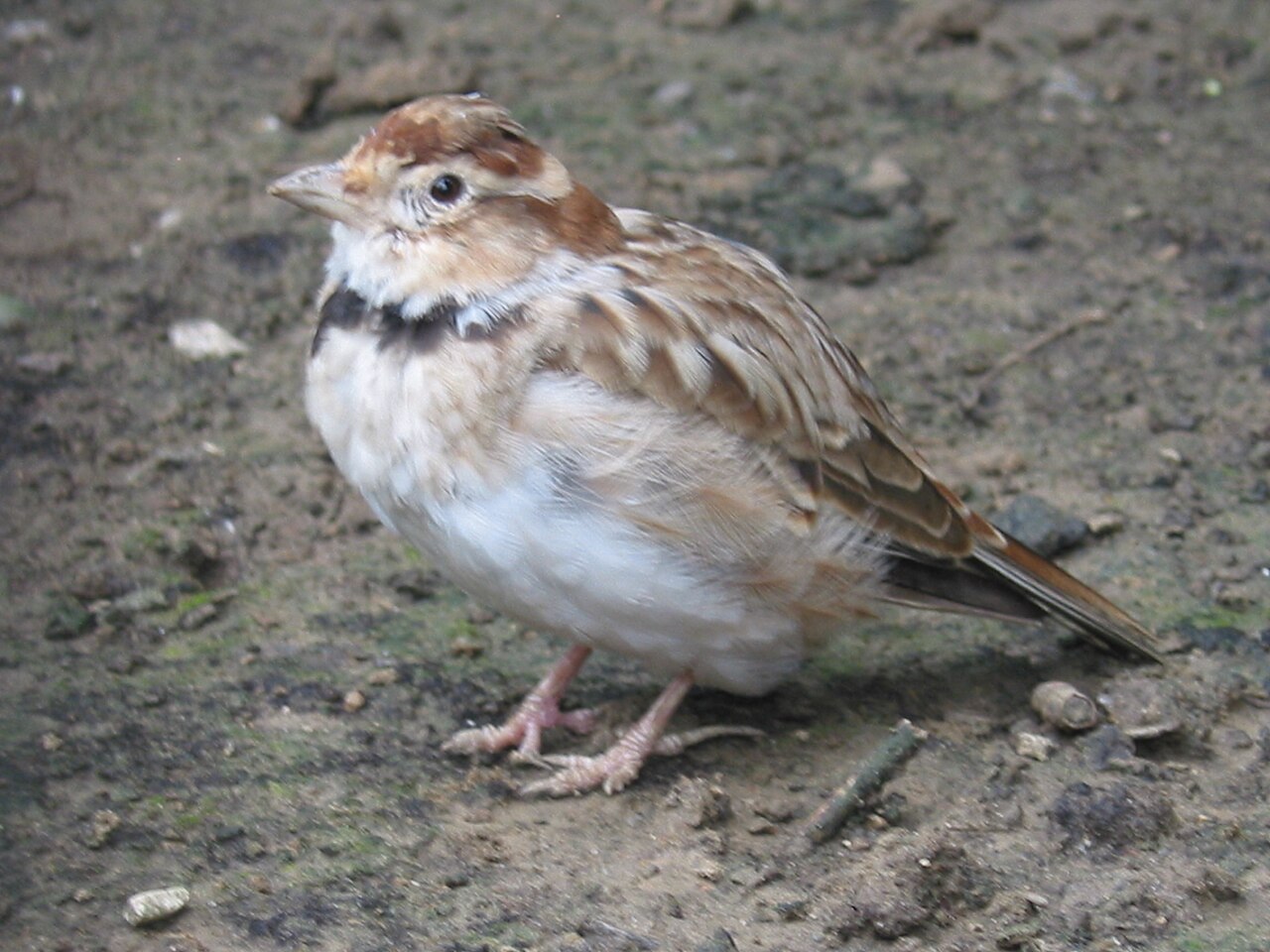
The Mombasa woodpecker is a species of bird in the family Picidae. It is found in Kenya, Somalia, and Tanzania.
Region
East African coast
Typical Environment
Occurs along the coastal belt of Kenya, southern Somalia, and northeastern Tanzania. It inhabits lowland coastal forests, wooded thickets, riparian woodland, and forest edges, and sometimes uses secondary growth and plantations. The species keeps to mid to lower strata of trees but also descends to fallen logs and termite mounds. It favors areas with old trees for nesting cavities and consistent insect resources.
Altitude Range
Sea level to 1200 m
Climate Zone
Tropical
Ease of Keeping
Beginner friendly: 1/5
Named after the Kenyan coastal city of Mombasa, this woodpecker is a quiet, coastal-forest specialist. Males have a red crown while females show a dark, white-spotted crown, a handy field mark. It forages methodically for ants and termites, often on trunks, branches, and fallen logs. Drumming is relatively soft compared to many temperate woodpeckers.

Temperament
shy and unobtrusive
Flight Pattern
undulating with short rapid wingbeats
Social Behavior
Usually seen singly, in pairs, or small family groups. Territorial pairs excavate nest cavities in soft or decayed wood; both sexes likely share incubation and chick rearing. Breeding tends to coincide with rainy seasons when insect prey is abundant.
Migratory Pattern
Resident
Song Description
Vocalizations are soft, including thin pik notes and short rattling trills. Drumming is brief and subdued, used mainly for territorial signaling.
Plumage
Green to olive upperparts with yellowish spotting and a barred tail; buff underparts heavily spotted or mottled black. Male shows a bright red crown and nape; female has a dark crown with white spotting. Face is pale with fine spotting and a darker malar stripe; throat often paler.
Diet
Primarily feeds on ants and termites, probing bark, dead wood, and crevices with a sticky tongue. Also takes beetle larvae and other small arthropods when available. It gleans deliberately, occasionally hammering to expose insect galleries.
Preferred Environment
Forages on trunks, branches, and fallen logs within coastal forests and wooded thickets. Will also feed along forest edges, clearings, and in plantations where dead wood and termite activity are present.