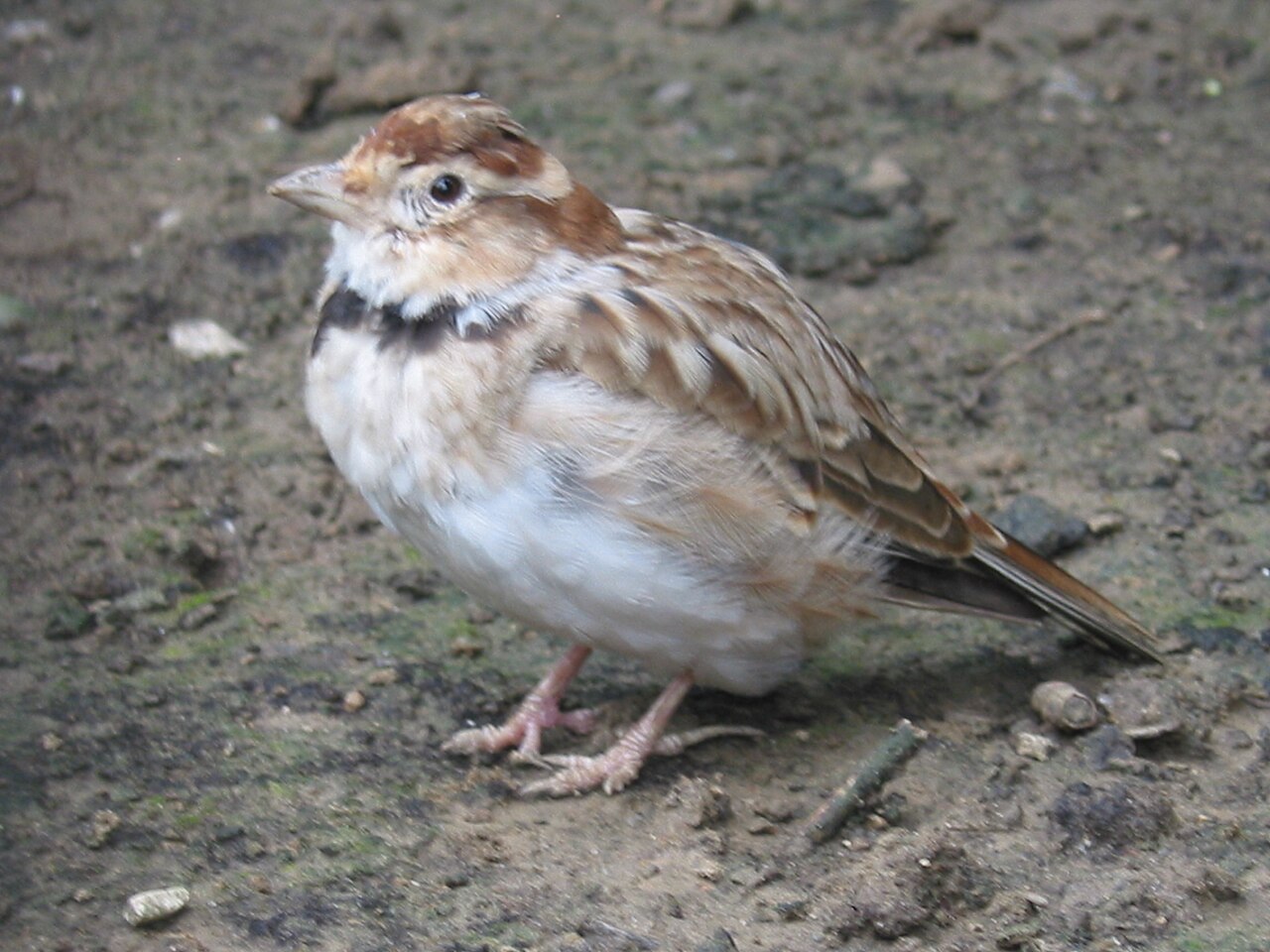
The Mongolian finch, also known as the Mongolian trumpeter finch, is a small passerine bird in the finch family Fringillidae.
Region
Central Asia
Typical Environment
Occurs from Mongolia and adjacent northwestern China (Xinjiang) west through the arid and semi-arid zones of Kazakhstan and other Central Asian republics to eastern Iran and northern Afghanistan. Prefers open, sparsely vegetated stony or gravel deserts, semi-desert steppe, and foothill slopes with scattered shrubs. Frequently uses wadis, dry riverbeds, and patches of tamarisk or saxaul for cover and nesting. Local and patchy in occurrence, with birds concentrating near seasonal water sources. Rare vagrants have been recorded farther southwest into the Middle East.
Altitude Range
300–3000 m
Climate Zone
Arid
Ease of Keeping
Beginner friendly: 2/5
Also called the Mongolian trumpeter finch, it inhabits remote stony deserts and semi-deserts of Central Asia. It is often confused with the Trumpeter Finch but is paler and shows more extensive rosy tones in the wings and rump. Flocks gather at water sources in the early morning and evening, and its mellow, trumpeting calls can carry far across barren landscapes.


Temperament
wary but social outside breeding
Flight Pattern
buoyant with undulating finch-like flight
Social Behavior
Often in small flocks outside the breeding season, concentrating at water sources. Pairs form in spring; nests are cup-shaped and placed low in shrubs, tussocks, or rocky niches. Clutches typically contain 3–5 eggs, and both parents participate in care.
Migratory Pattern
Partial migrant
Song Description
A mellow, fluty series of trumpeting notes, often delivered in short phrases. Calls include soft, nasal chews and clear, far-carrying whistles, particularly around dawn and dusk.
Plumage
Pale sandy-buff overall with a soft rosy wash on the face, breast, rump, and wing coverts, especially in males; females are duller and sandier. Underparts are light, with minimal streaking; tail is dark with pale edges. The bill is thick, short, and conical, often pinkish or horn-colored. Wings show a distinct pink panel in fresh plumage.
Diet
Primarily seeds of desert shrubs and grasses such as Salsola, Artemisia, and other halophytes. In the breeding season, takes small insects and other invertebrates to meet protein demands. Also consumes buds and green plant material when seeds are scarce. Visits water regularly, especially in hot weather.
Preferred Environment
Forages on open stony ground, gravel plains, and along dry washes and foothill slopes with scattered shrubs. Often feeds near sparse vegetation and around waterholes or ephemeral pools.