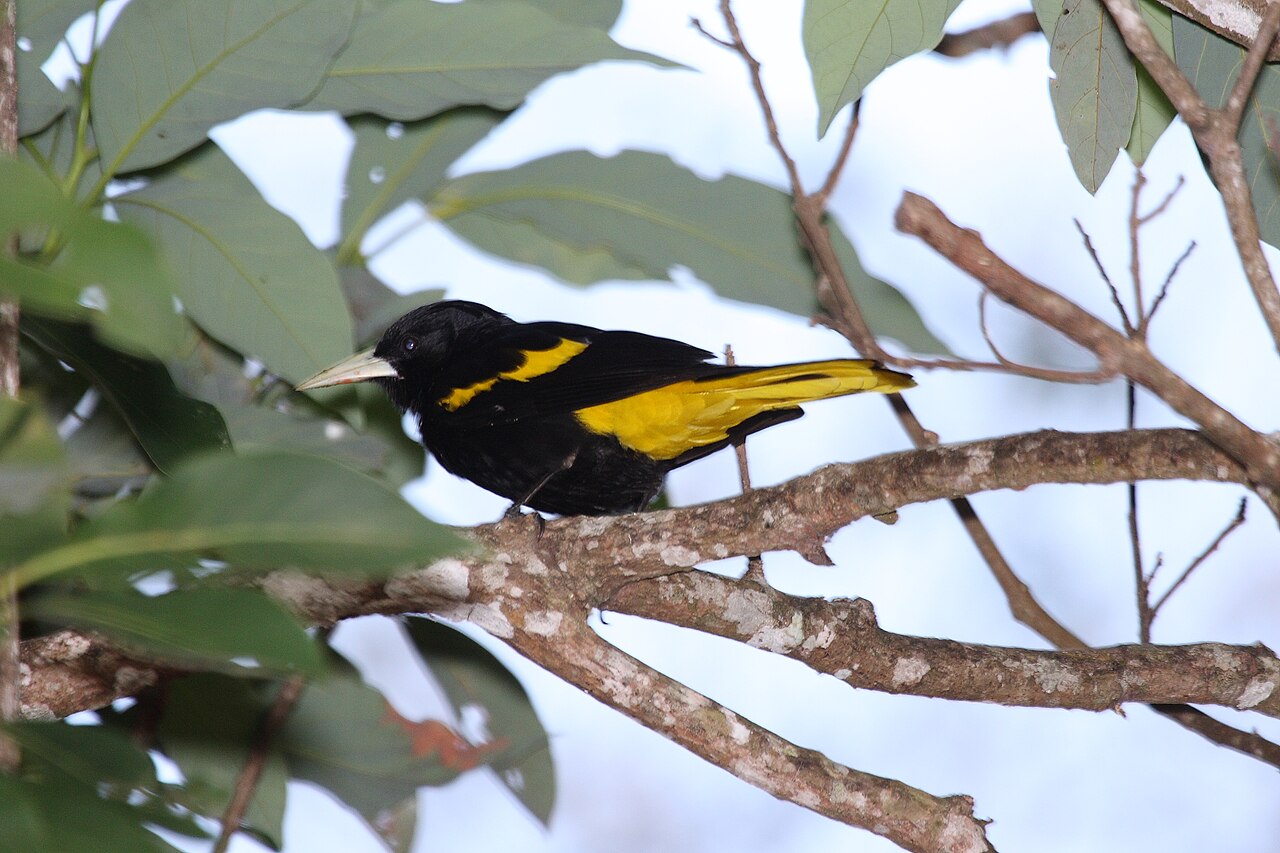
The metallic pigeon also known as white-throated pigeon, is a medium-sized, up to 37 cm long, bird in the family Columbidae.
Region
Western Pacific and Southeast Asia
Typical Environment
Occurs from the Philippines and parts of Wallacea through New Guinea and nearby islands to the Solomon Islands, Vanuatu, and Fiji. It inhabits primary and mature secondary forests, forest edges, and wooded ridges. Most individuals stay in the mid- to upper canopy, descending only to visit fruiting trees. It tolerates selectively logged forest where fruit resources persist.
Altitude Range
Sea level to 2500 m
Climate Zone
Tropical
Ease of Keeping
Beginner friendly: 1/5
Also called the white-throated pigeon, this species is a shy canopy-dweller whose plumage flashes green and purple metallic sheen in good light. It is an important seed disperser for many forest trees across Pacific islands. Several subspecies occur from the Philippines through New Guinea to Melanesia, with local variation in size and sheen. Despite local declines on some islands, it remains widespread overall.


Temperament
shy and wary
Flight Pattern
strong flier with rapid, direct wingbeats
Social Behavior
Usually solitary or in pairs, sometimes forming small groups at fruiting trees. Builds a simple twig platform nest well above ground in dense foliage. Typically lays a single egg, with both parents sharing incubation and chick-rearing duties.
Migratory Pattern
Resident
Song Description
A low, resonant series of coos, often a repeated hoo-oo phrase that carries through forest. Calls are subdued and given from concealed perches high in the canopy.
Plumage
Dark slaty body with strong metallic green to bronze and purplish iridescence on the neck, mantle, and wings; clean white throat patch contrasts with darker head and breast.
Diet
Primarily eats fruits and berries, especially figs and other canopy drupes, swallowing them whole and later dispersing seeds. Will also take soft seeds and occasionally flower buds. Diet varies with seasonal fruiting, leading to local movements between fruiting trees.
Preferred Environment
Feeds mostly in the upper to mid-canopy of mature forest and at forest edges. Regularly visits fruiting trees in both primary and well-regenerated secondary forest.