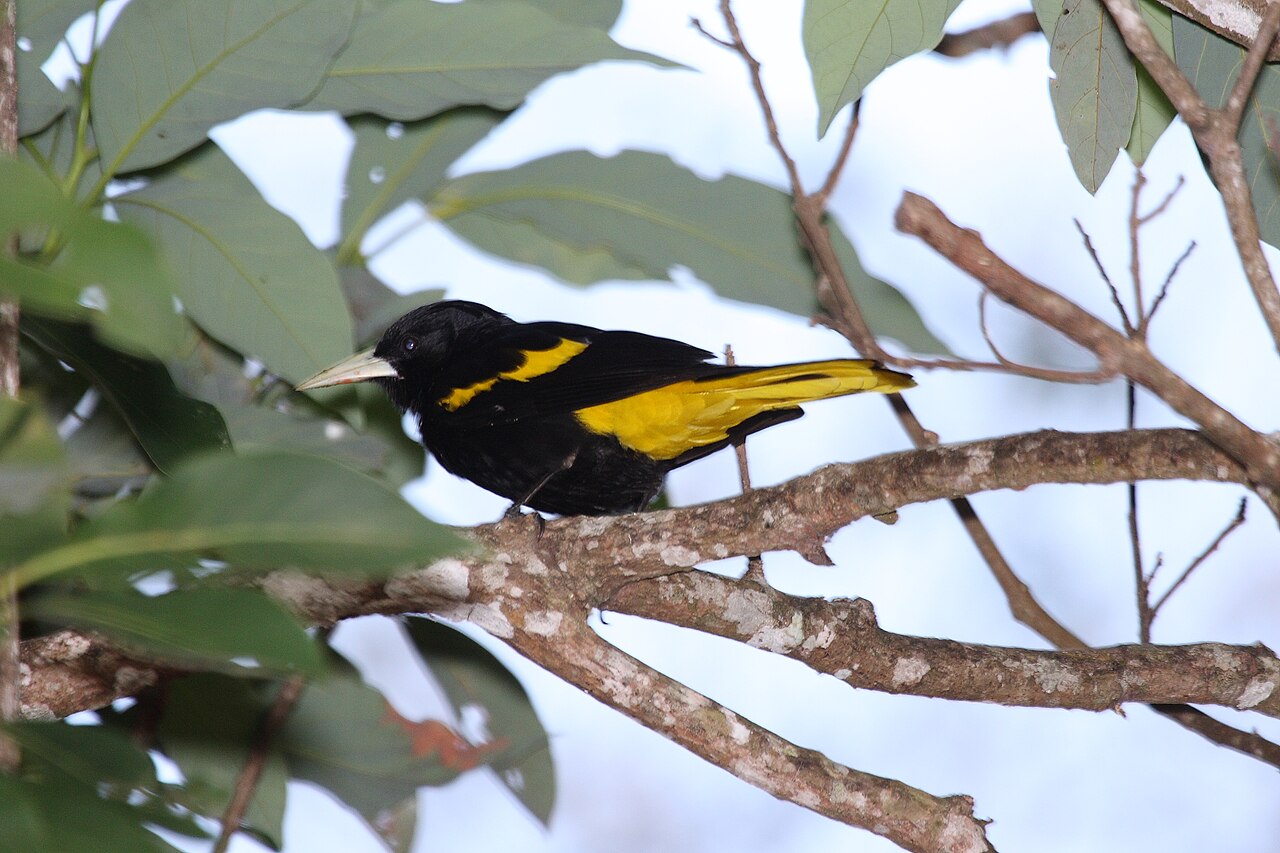
The mewing kingfisher or Mangaia kingfisher, known locally as the tanga'eo, is a species of bird in the Alcedinidae, or kingfisher family. It is endemic to Mangaia in the Cook Islands. Its natural habitats are subtropical or tropical moist lowland forests and plantations.
Region
Polynesia, South Pacific
Typical Environment
Confined to the island of Mangaia, where it occupies tropical moist lowland forest, secondary growth, and tree-rich plantations. It favors edges, clearings, and coconut and breadfruit groves where open sightlines allow perch-and-pounce hunting. Birds are frequently seen along roadsides and in village gardens with mature trees. Nesting occurs in cavities in dead trunks or soft-wooded trees, including some planted species.
Altitude Range
Sea level to 180 m
Climate Zone
Tropical
Ease of Keeping
Beginner friendly: 1/5
Also called the Mangaia kingfisher and locally known as the tanga'eo, its name 'mewing' comes from a cat-like call used to advertise territory. It was formerly treated within the chattering/collared kingfisher complex but is now recognized as a distinct species. It adapts to modified habitats on Mangaia, often hunting from perches in plantations and village trees.

Temperament
solitary and territorial
Flight Pattern
short rapid wingbeats with direct, low flights between perches
Social Behavior
Usually encountered as territorial pairs that maintain year‑round territories. They nest in tree cavities, often excavating soft or decayed wood; both adults share incubation and chick-rearing. Clutch size is small, and pairs may reuse favored nest sites in successive seasons.
Migratory Pattern
Resident
Song Description
The primary call is a nasal, cat-like 'mew' delivered singly or in short series during territorial displays. Also gives chatters and harsh scolds when agitated near the nest.
Plumage
Compact forest kingfisher with glossy blue upperparts, clean whitish underparts, and a distinctive rufous collar across the sides of the neck. A bold black mask runs from the bill through the eye to the nape, contrasting with the pale face and throat. Wings and tail are blue with darker flight feathers; bill is stout and dark.
Diet
Primarily consumes large insects such as beetles, orthopterans, and caterpillars, taken by sallying from exposed perches. It also captures small lizards and other arthropods on tree trunks, foliage, and the ground. Prey is often beaten against a perch before being swallowed.
Preferred Environment
Forages along forest edges, in plantations, and in semi-open groves where scattered perches overlook leaf litter and clearings. Frequently hunts from low to mid-level branches, fences, or utility lines.