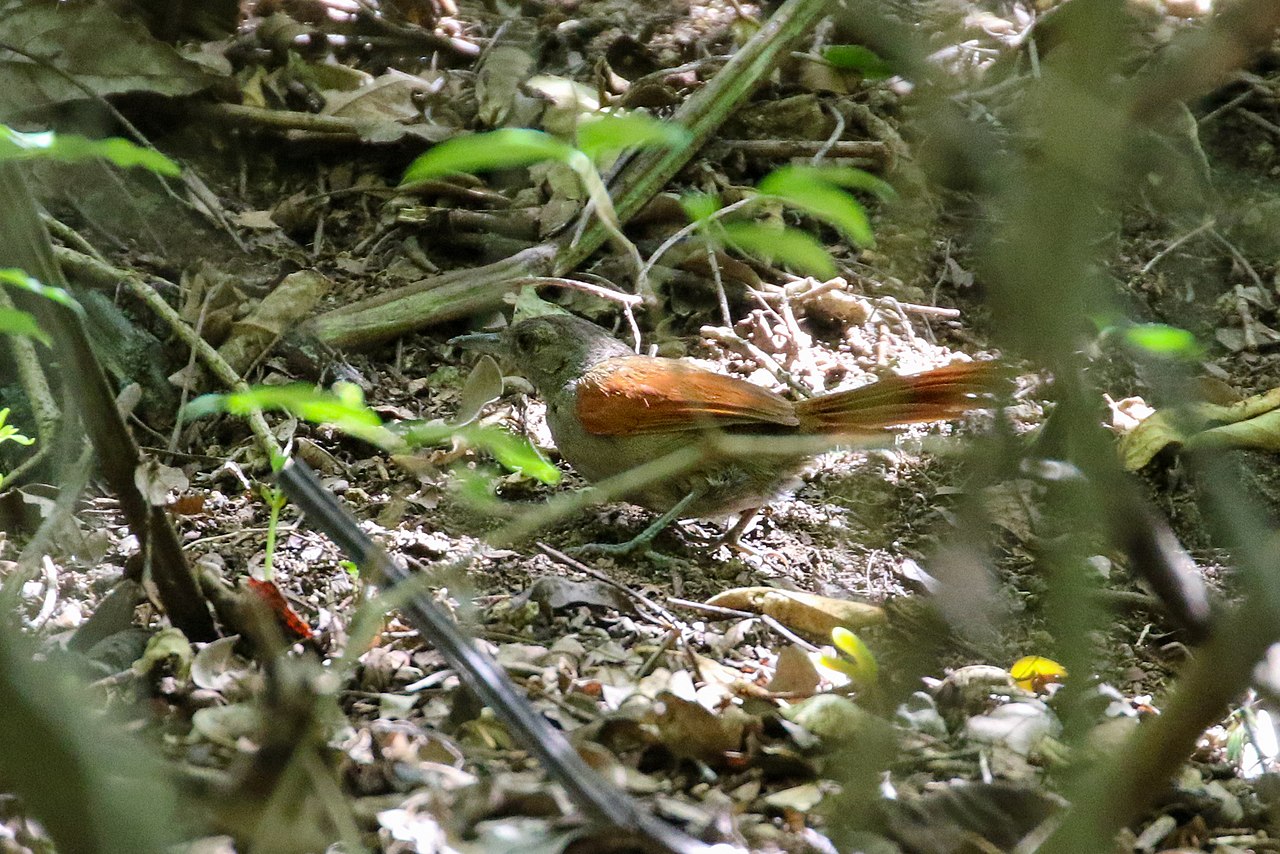
The Maracaibo tody-flycatcher, also known as the short-tailed tody-flycatcher, is a species of bird in the family Tyrannidae, the tyrant flycatchers. It is endemic to Venezuela.
Region
Northern South America (Venezuela)
Typical Environment
Endemic to the Lake Maracaibo basin and nearby foothills in northwestern Venezuela. It occupies forest edges, second growth, riparian thickets, and thorny scrub, and readily uses semi-open habitats with scattered trees. The species often persists in disturbed landscapes, including coffee and cacao plantations and overgrown pastures. Dense low to mid-level vegetation is a key microhabitat for foraging and nesting.
Altitude Range
Sea level to 1000 m
Climate Zone
Tropical
Ease of Keeping
Beginner friendly: 1/5
A tiny, hyperactive tyrant flycatcher, it forages by gleaning insects from foliage and making quick, short sallies. Its notably short tail and flattened bill are classic tody-flycatcher features. It builds a small pendant nest with a side entrance, often suspended from branches overhanging low vegetation.


Maracaibo tody-flycatcher specimen from AMNH

Temperament
social and active
Flight Pattern
short rapid wingbeats with quick darts and brief sallies
Social Behavior
Usually found in pairs or small family groups and sometimes joins mixed-species flocks along edges. Pairs maintain small territories and communicate with high, thin calls. The nest is a small pendant purse-like structure with a side entrance, placed low to mid-height in dense vegetation.
Migratory Pattern
Resident
Song Description
High-pitched, thin trills and sharp tsip notes given in rapid sequences. Song is a rapid, slightly accelerating series of squeaky notes, often delivered from low cover. Calls carry surprisingly well for such a small bird.
Plumage
Compact, short-tailed silhouette with olive-green upperparts and bright yellow underparts; fine, neat plumage with a slightly darker face.
Diet
Primarily small insects and other tiny arthropods gleaned from leaves and twigs. It makes short sallies to snatch prey from the air and probes into clusters of foliage for hidden insects. Foraging is almost constant, with quick movements through low to mid-level vegetation.
Preferred Environment
Feeds along forest edges, secondary growth, hedgerows, and riparian thickets where dense foliage provides abundant prey. Frequently forages in semi-open agricultural mosaics and scrubby patches near water.