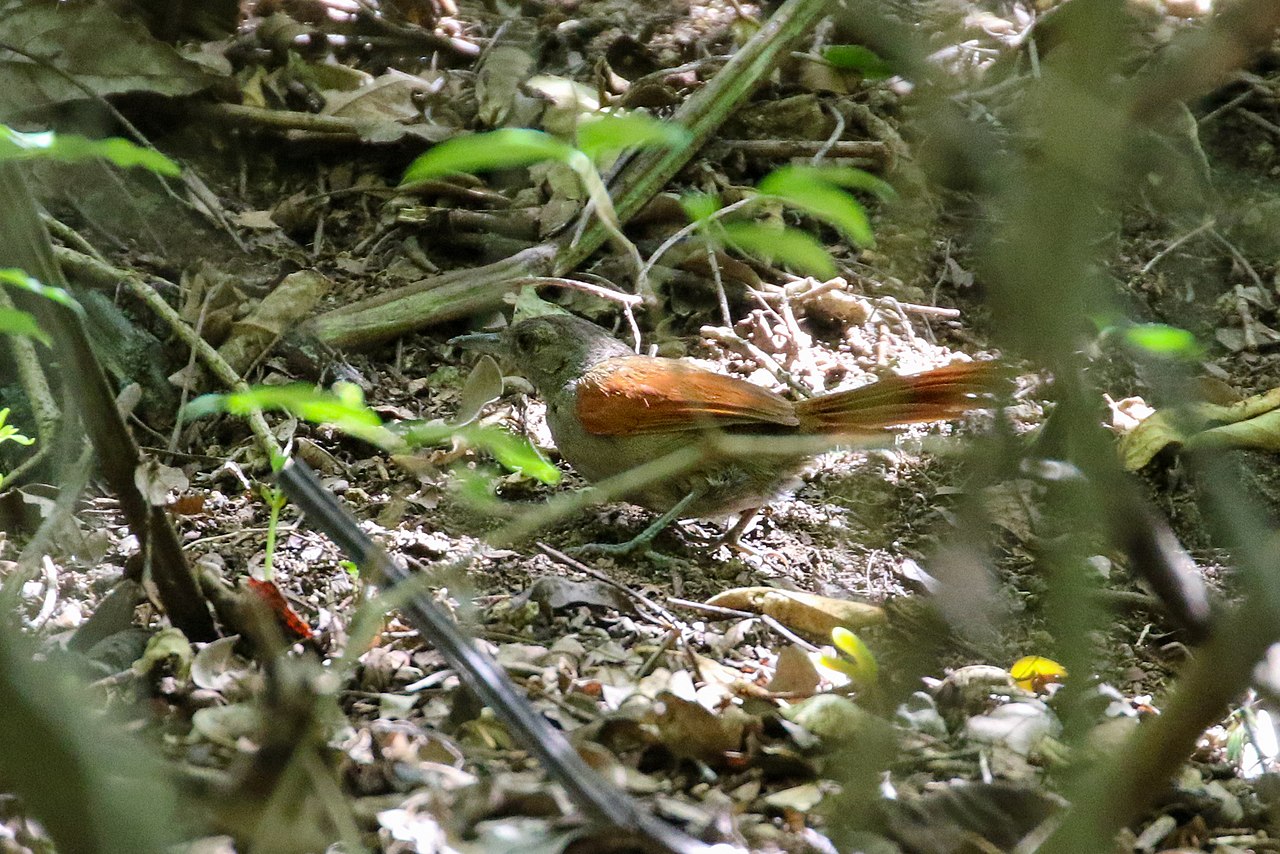
The marail guan or Cayenne guan is a species of bird in the family Cracidae, the chachalacas, guans, and curassows. It is found in Brazil, French Guiana, Guyana, Suriname, and Venezuela.
Region
Guiana Shield and northeastern Amazonia
Typical Environment
Occurs in lowland tropical rainforests of Brazil (northern), French Guiana, Guyana, Suriname, and eastern Venezuela. Prefers mature terra firme forest but also uses gallery forest, forest edges, and well-regenerated secondary growth. Often keeps to mid- and upper-canopy but will descend to take fallen fruit along trails and riverbanks. Tolerates some selective logging but declines with heavy hunting and fragmentation.
Altitude Range
0–1300 m
Climate Zone
Tropical
Ease of Keeping
Beginner friendly: 2/5
Also called the Cayenne guan, this cracid is a key seed disperser in the Guiana Shield’s rainforests. It is often detected by its deep booming calls and wing-whirring display at dawn. Although still widely distributed, it is sensitive to hunting pressure and forest degradation.


Temperament
wary and alert, especially in hunted areas
Flight Pattern
short rapid wingbeats followed by brief glides
Social Behavior
Usually in pairs or small family groups that move quietly through the canopy. Roosts in trees and builds a simple stick platform nest high above ground. Clutch size is small, typically two to three eggs, and both parents guard the brood.
Migratory Pattern
Resident
Song Description
Gives deep, resonant booms and gruff clucks that carry at dawn and dusk. Males perform a distinctive wing-whirring display during the breeding season. Calls are more often heard than the bird is seen.
Plumage
Mostly dark brown with fine whitish scaling on the neck and breast; subtle mottling on upperparts and a long, broad tail. Undertail coverts show a warm rufous tone. A slight crest gives the head a peaked profile.
Diet
Primarily consumes ripe fruits and berries, swallowing many whole and dispersing seeds over long distances. Also takes tender leaves, flowers, and occasional seeds. Insects or other invertebrates may be ingested incidentally while foraging.
Preferred Environment
Forages at fruiting trees in mid- to upper-canopy and along forest edges and river corridors. Will also pick fallen fruits along quiet trails and clearings.