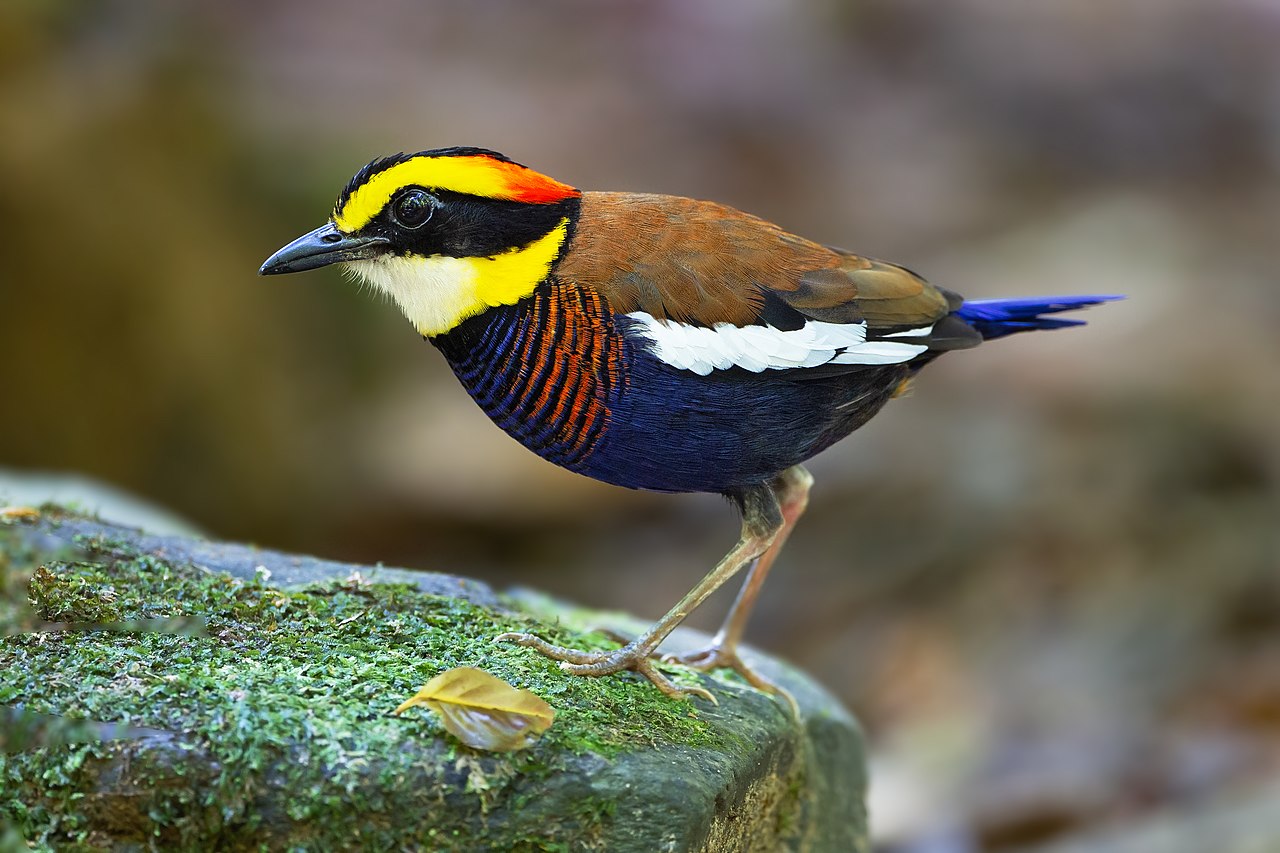
The Malagasy turtle dove or Madagascar turtle dove is a bird species in the pigeon and dove family, Columbidae.
Region
Western Indian Ocean
Typical Environment
Occurs widely across Madagascar and nearby islands such as the Comoros and Mayotte, with some island populations on the Seychelles historically. It inhabits a range of wooded environments from humid evergreen forest to dry deciduous forest, as well as scrub, secondary growth, and agroforestry landscapes. Birds are frequently seen along forest edges, in clearings, and in rural villages and gardens. They readily use plantations for feeding and shelter while nesting in nearby trees.
Altitude Range
Sea level to 1800 m
Climate Zone
Tropical
Ease of Keeping
Beginner friendly: 2/5
Also known as the Madagascar turtle-dove, it belongs to the small Indian Ocean genus Nesoenas, which also includes the pink pigeon. Formerly placed in Streptopelia, its current name reflects updated taxonomy. It adapts well to human-altered habitats such as plantations and gardens, which helps keep its population stable in many areas.


Nesoenas picturatus egg - MHNT
Temperament
wary but adaptable
Flight Pattern
fast, direct flight with strong wingbeats
Social Behavior
Usually seen singly, in pairs, or small loose groups, especially where food is abundant. Nests are flimsy stick platforms placed in shrubs or trees. Typical clutch is one to two eggs, and both parents share incubation and chick rearing.
Migratory Pattern
Resident
Song Description
Produces a soft, rhythmic series of coos, often delivered from a shaded perch. Wing claps may be heard during short display flights. Calls are mellow and repetitive, carrying through forest edges and gardens.
Plumage
Warm brown upperparts with dark scalloping, a vinous to pinkish wash on the breast, and a greyer face and crown. The neck shows fine scaly patterning, and the belly is paler buff to grey. Tail is dark with contrasting pale or whitish corners visible in flight.
Diet
Feeds mainly on fallen seeds and small fruits, including berries from native and introduced plants. Also takes grains in agricultural areas and occasionally small invertebrates. Forages primarily on the ground, methodically picking through leaf litter and along paths.
Preferred Environment
Edges of forest, secondary thickets, village gardens, and plantations where fruiting trees and seed sources are available. Often forages on tracks, clearings, and beneath fruiting canopies.