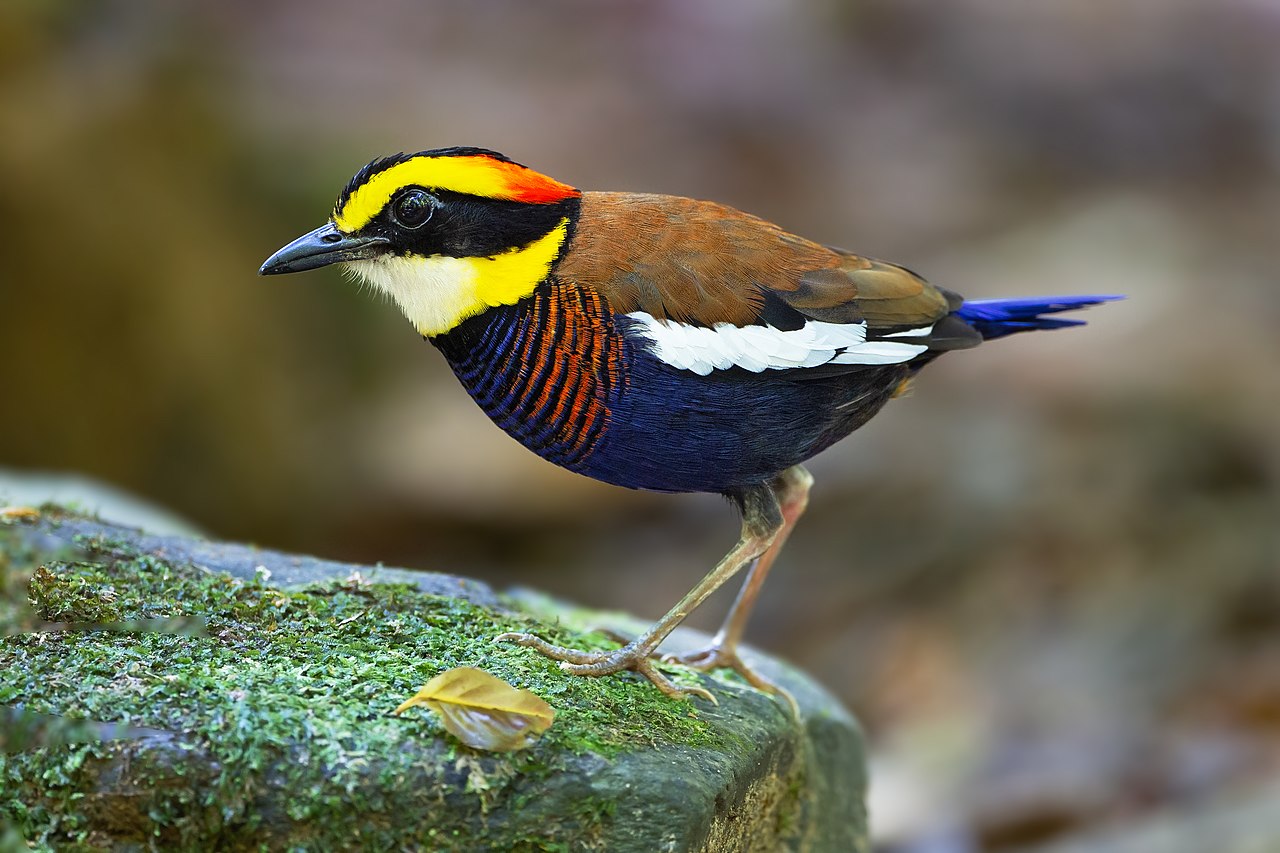
The Malagasy white-eye is a species of bird in the white-eye family, Zosteropidae. Found in Madagascar and Seychelles, its natural habitats are subtropical or tropical dry forests, subtropical or tropical moist lowland forests, subtropical or tropical mangrove forests, and subtropical or tropical moist montane forests.
Region
Madagascar and western Indian Ocean islands (including parts of Seychelles)
Typical Environment
This species is widespread across Madagascar and also occurs on some of the Seychelles’ outer islands (e.g., Aldabra atoll). It occupies tropical dry forests, moist lowland forests, mangroves, and montane forests, and readily uses secondary growth. It is frequently seen at forest edges, in plantations, and in gardens, where it forages in shrubs and canopy. Its adaptability allows it to persist in fragmented landscapes and human-modified habitats.
Altitude Range
Sea level to 2000 m
Climate Zone
Tropical
Ease of Keeping
Beginner friendly: 1/5
The Malagasy white-eye is a highly adaptable small passerine recognizable by its crisp white eye-ring. It thrives in a wide range of habitats from humid rainforests to dry woodland, mangroves, plantations, and gardens. On islands it often acts as an important pollinator and seed disperser, visiting flowers for nectar and small fruits.


Z. maderaspatanus eggs
Temperament
social and active
Flight Pattern
short rapid wingbeats with quick, agile hops between foliage
Social Behavior
Often forages in small, chattering flocks outside the breeding season and may join mixed-species parties. Pairs form during breeding, building small cup nests in shrubs or trees. Both parents typically participate in incubation and chick rearing.
Migratory Pattern
Resident
Song Description
A high, thin series of twitters and trills delivered rapidly from cover. Calls include soft contact chips and sharper scolds when alarmed.
Plumage
Olive-green upperparts with a yellowish throat and breast blending into a paler whitish belly; neat, smooth feathering with a clean facial ring.
Diet
It feeds on small insects, spiders, and other arthropods gleaned from leaves and twigs. It also takes nectar from flowers and consumes small fruits and berries, aiding in pollination and seed dispersal. Foraging is active and methodical, often moving through foliage in tight groups.
Preferred Environment
Typically feeds in the mid to upper canopy and shrub layers, including forest edges and clearings. It readily uses gardens, orchards, and mangroves where nectar and fruiting plants are available.