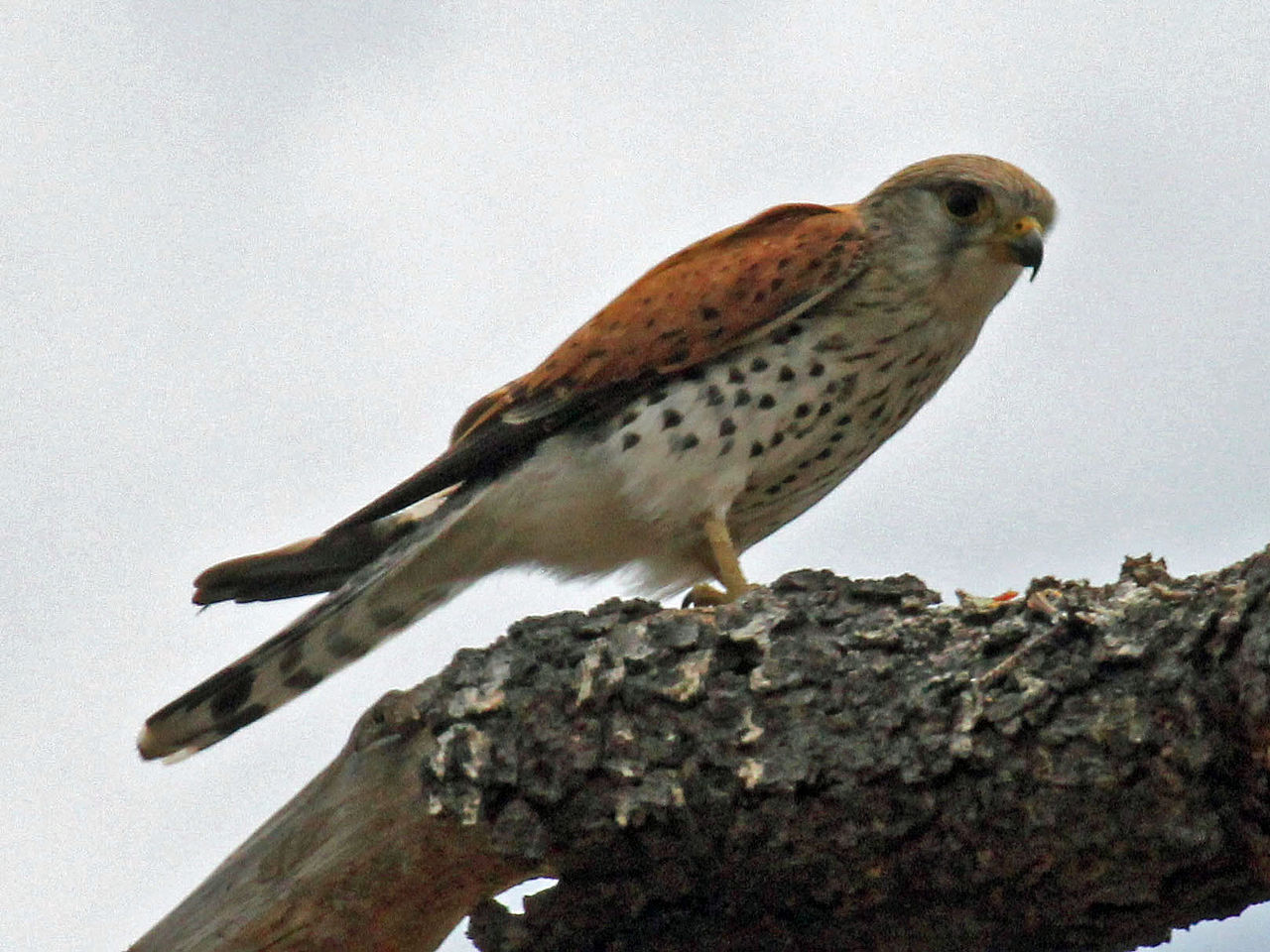
The Malagasy bulbul is a species of songbird in the bulbul family, Pycnonotidae. It is found on Madagascar and other regional islands in the south-western Indian Ocean.
Region
Western Indian Ocean (Madagascar, Comoros, Mayotte)
Typical Environment
Common across Madagascar and present on nearby islands such as the Comoros and Mayotte. It occupies a wide range of habitats including humid evergreen forest, dry deciduous forest, secondary growth, plantations, and village gardens. Frequently uses forest edges and riverine corridors, where fruiting trees and insects are abundant. It readily tolerates human-modified landscapes provided there is shrub or tree cover.
Altitude Range
Sea level to 2000 m
Climate Zone
Tropical
Ease of Keeping
Beginner friendly: 2/5
The Malagasy bulbul is an adaptable songbird that thrives from humid forests to gardens and plantations. It plays an important role in seed dispersal by eating fruits and moving between habitats. Its pale iris and lively, chattering calls make it conspicuous even when perched in dense foliage.


Temperament
social and active
Flight Pattern
short rapid wingbeats with brief glides
Social Behavior
Usually seen in pairs or small family groups and sometimes joins mixed-species flocks while foraging. Pairs defend small territories during the breeding season and build a cup-shaped nest in trees or tall shrubs. Clutches are typically two eggs, and both parents help feed the young.
Migratory Pattern
Resident
Song Description
A lively mix of chatters, whistles, and scolding notes delivered from exposed perches. Calls are sharp and ringing, often given in quick sequences during dawn and early morning activity.
Plumage
Sooty-brown to gray-brown upperparts with paler grayish underparts and a slightly shaggy, crested look on the head. The head is darker, often blackish, contrasting with the body. Feathers appear smooth but loosely textured around the crest and nape.
Diet
Eats a variety of fruits and berries, including figs and other soft fruits, and supplements its diet with insects and other small invertebrates. It gleans from foliage and twigs, sallies after flying insects, and occasionally probes flowers for nectar. Its fruit-eating habits make it an effective seed disperser across fragmented habitats.
Preferred Environment
Forages along forest edges, clearings, and secondary growth where fruiting trees are common. Frequently visits plantations, village trees, and gardens, moving between mid-canopy and subcanopy layers.