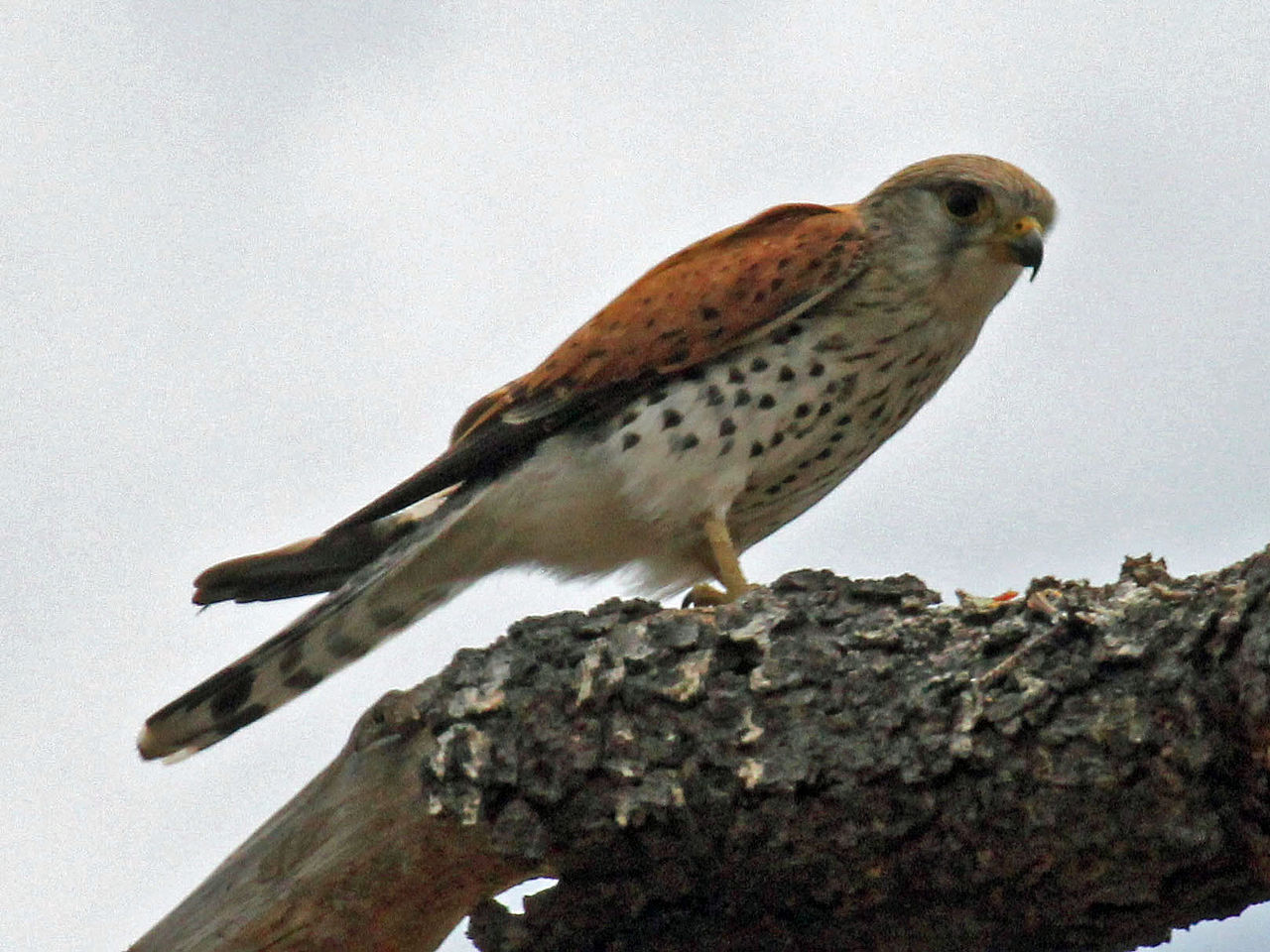
The Malagasy green sunbird, also known as the long-billed green sunbird, is a species of bird in the family Nectariniidae. It has been placed in the genus Nectarinia. It is found in the Comoros and Madagascar. Its natural habitats are subtropical or tropical dry forest, subtropical or tropical moist lowland forest, subtropical or tropical mangrove forest, and subtropical or tropical moist montane forest.
Region
Madagascar and Comoros
Typical Environment
Occurs widely across Madagascar and on the Comoros, using a range of wooded habitats from dry deciduous forest to moist lowland and montane forest. It frequents mangroves, forest edges, secondary growth, and cultivated areas with abundant flowering plants. Often seen in the mid to upper canopy but also descends to shrub level in disturbed habitats. It adapts well to human-modified landscapes where nectar sources are available.
Altitude Range
Sea level to 2000 m
Climate Zone
Tropical
Ease of Keeping
Beginner friendly: 1/5
Also called the long-billed green sunbird, it is a nectar specialist that often visits flowering trees and shrubs and can hover briefly like a hummingbird. It is an important pollinator in Madagascar’s ecosystems and adapts well to forest edges and gardens. Older literature may place it in the genus Nectarinia.

Temperament
active and territorial
Flight Pattern
short rapid wingbeats with brief hovering
Social Behavior
Usually seen singly or in pairs, but may join loose mixed-species flocks at flowering trees. Territorial males defend rich nectar sources. Nest is a small pendant structure woven from plant fibers and spider silk, with a side entrance; both parents typically care for the young.
Migratory Pattern
Resident
Song Description
Delivers a rapid, high-pitched twitter interspersed with thin tsee notes. Calls include metallic chips and sharp ticks given in quick series, especially around flowering trees.
Plumage
Male is glossy green above with darker wings and tail, often showing metallic sheen; underparts duskier green to olive. Female is duller olive-brown above with paler, yellowish-olive underparts and faint streaking. Both sexes have a long, decurved bill suited to tubular flowers.
Diet
Feeds mainly on nectar from a variety of native and introduced flowering plants, probing deep tubular blossoms with its long bill. Also takes small arthropods, gleaning from foliage or sallying to catch insects mid-air, especially when feeding young. Occasionally consumes small fruits or sap when available.
Preferred Environment
Forages at flowering trees and shrubs along forest edges, clearings, mangroves, and gardens. Most feeding occurs in the mid to upper canopy, but birds will descend to ornamental shrubs and low flowers in villages and plantations.