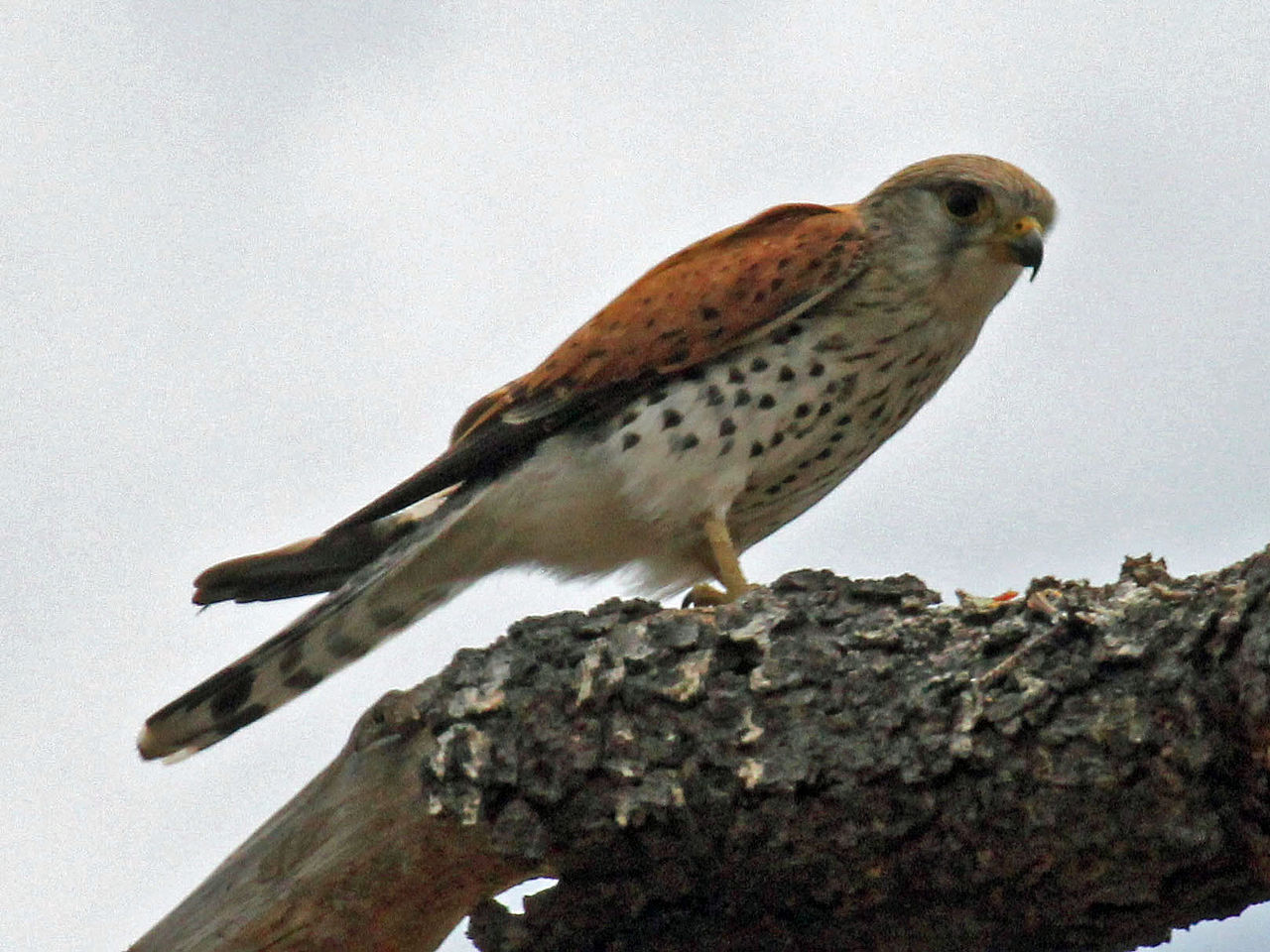
The Malagasy coucal or Madagascar coucal is a species of cuckoo in the family Cuculidae. It is found in Madagascar and in the Seychelles, where it occurs on Aldabra and was formerly present on Assumption Island and Cosmoledo. Its natural habitats are dense vegetation in subtropical or tropical moist lowland forests, mangrove forests, rough grassland, marshes and reedbeds.
Region
Western Indian Ocean islands
Typical Environment
Found across much of Madagascar and on Aldabra in the Seychelles, occupying dense cover in moist lowland forests, mangroves, rough grasslands, marshes, and reedbeds. It often frequents agricultural edges such as rice paddies and overgrown ditches. The species favors thick undergrowth and tangles where it can move stealthily. It is typically absent from very open habitats without cover.
Altitude Range
Sea level to 1800 m
Climate Zone
Tropical
Ease of Keeping
Beginner friendly: 2/5
The Malagasy coucal is a skulking cuckoo that prefers to run and clamber through dense vegetation rather than fly. It builds a large domed nest with a side entrance, usually placed low in reeds or thickets. Its resonant, repetitive booming calls are especially active at dawn and after rain. On Aldabra in the Seychelles it persists as an insular population, while remaining widespread on Madagascar.


Centropus toulou - MHNT
Temperament
solitary and skulking
Flight Pattern
short rapid wingbeats; reluctant flier that prefers to run and clamber
Social Behavior
Usually seen alone or in pairs, maintaining territories within dense vegetation. Breeding often coincides with the rainy season. Both sexes help build a large domed nest placed low in reeds or shrubs and share incubation and chick-rearing duties.
Migratory Pattern
Resident
Song Description
Gives a series of low, booming cooing notes, often rising and then falling in pace. Calls carry far at dawn and dusk and after rainfall. Also produces softer clucks and chuckles during close contact.
Plumage
Glossy black head, neck, and underparts with rich rufous-chestnut wings and mantle; long, graduated dark tail with a slight greenish sheen.
Diet
Primarily hunts large insects such as grasshoppers, crickets, beetles, and caterpillars. It also takes small vertebrates including frogs, lizards, and small snakes, and may raid nests for eggs or nestlings. Occasionally consumes other invertebrates like snails and crabs near wetlands.
Preferred Environment
Forages on the ground and in low vegetation along the edges of marshes, reedbeds, mangroves, and rice fields. Uses dense cover to stalk prey and makes short pounces from low perches.