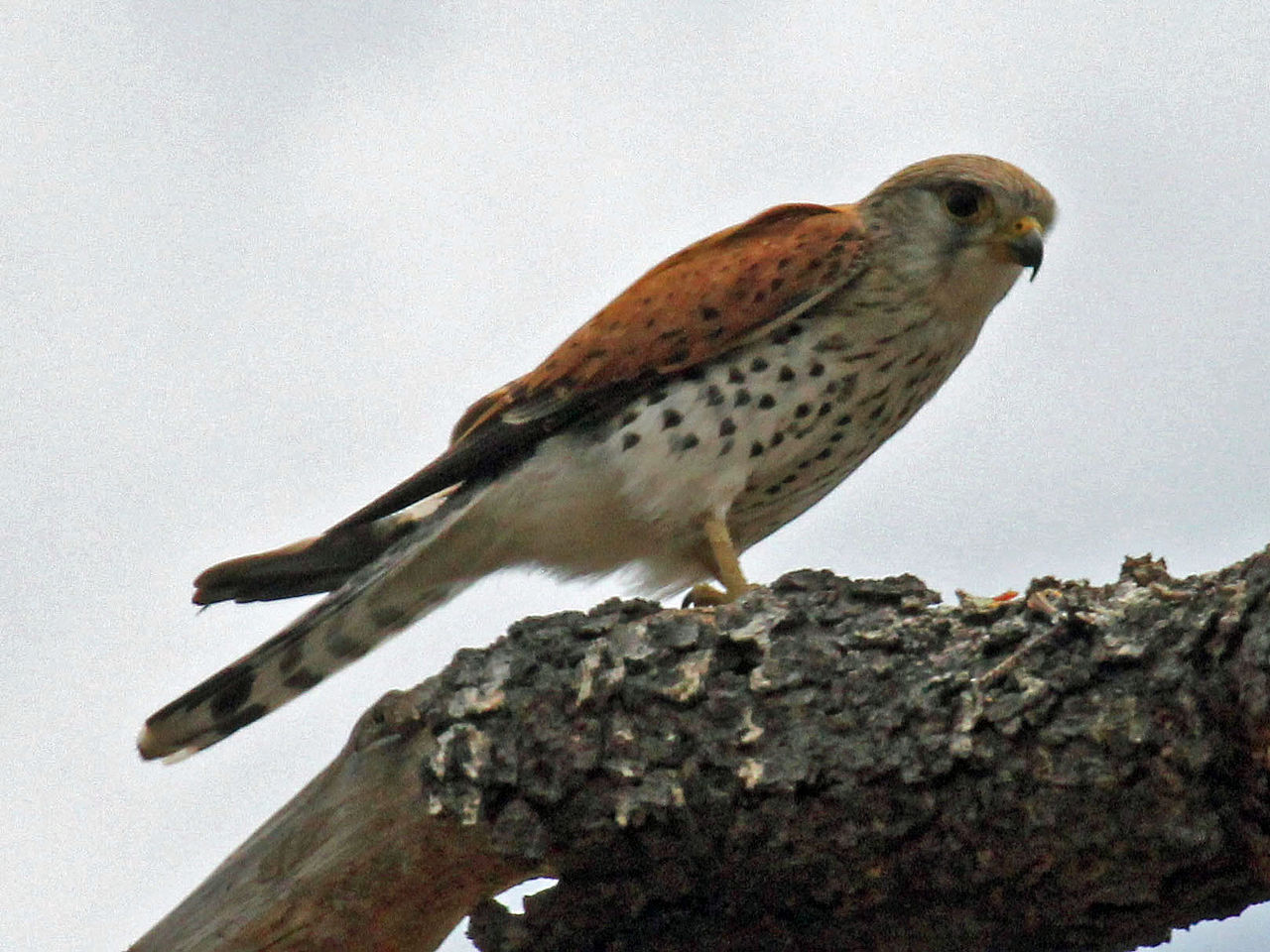
The Malagasy harrier is a bird of prey belonging to the marsh harrier group of harriers. It inhabits Madagascar and the Comoro Islands in the Indian Ocean. It was formerly regarded as a subspecies of the Réunion harrier but is increasingly treated as a separate species. It is also known as the Madagascar harrier, Madagascar marsh harrier or Malagasy marsh harrier.
Region
Southwest Indian Ocean
Typical Environment
Occurs mainly on Madagascar with small populations on the Comoro Islands. It favors marshes, reedbeds, seasonally flooded grasslands, and rice paddies, often hunting along the edges of wetlands. The species also uses open savanna, scrubby plains, and coastal wetlands where cover and prey are available. Nests are built on the ground in dense marsh vegetation to reduce detection. Human-altered wetlands such as rice fields can be used, but productivity may be lower due to disturbance.
Altitude Range
Sea level to 1800 m
Climate Zone
Tropical
Ease of Keeping
Beginner friendly: 1/5
The Malagasy harrier is a marsh-harrier specialized for hunting low over wetlands and grasslands, using buoyant flight to flush prey. It was long treated as a subspecies of the Réunion harrier but is now widely recognized as a distinct species. Strong sexual dimorphism means males are pale and striking while females are darker and heavily streaked. It is threatened by wetland drainage, persecution, and disturbance in breeding areas.

Temperament
solitary and territorial
Flight Pattern
low quartering with buoyant glides and short rapid wingbeats
Social Behavior
Typically nests solitarily or in loosely spaced pairs, building a platform of vegetation on the ground within dense marsh cover. Pairs are monogamous during the breeding season and perform aerial displays. Clutches are small to moderate, and both adults attend the nest, with the female brooding and the male provisioning.
Migratory Pattern
Resident
Song Description
Generally quiet away from the nest, giving high-pitched whistles and chattering calls during courtship or when alarmed. Nesting birds may utter sharp kek-kek notes in agitation.
Plumage
Males are pale grey with contrasting blackish primaries and a whitish body with fine streaking; females are dark brown above with buffy streaked underparts and barred tail. Both sexes show a distinct white rump and long, narrow wings suited to low quartering flight.
Diet
Feeds on small mammals, birds and their nestlings, reptiles, amphibians, and large insects. Hunts by flying low over vegetation to surprise prey, dropping suddenly into cover. Will occasionally take carrion or scavenge in agricultural settings. Diet composition varies with habitat and season.
Preferred Environment
Forages along the edges of reedbeds, over flooded grasses, and across rice paddies and open savannas. Uses linear features such as ditches and field margins to concentrate prey.