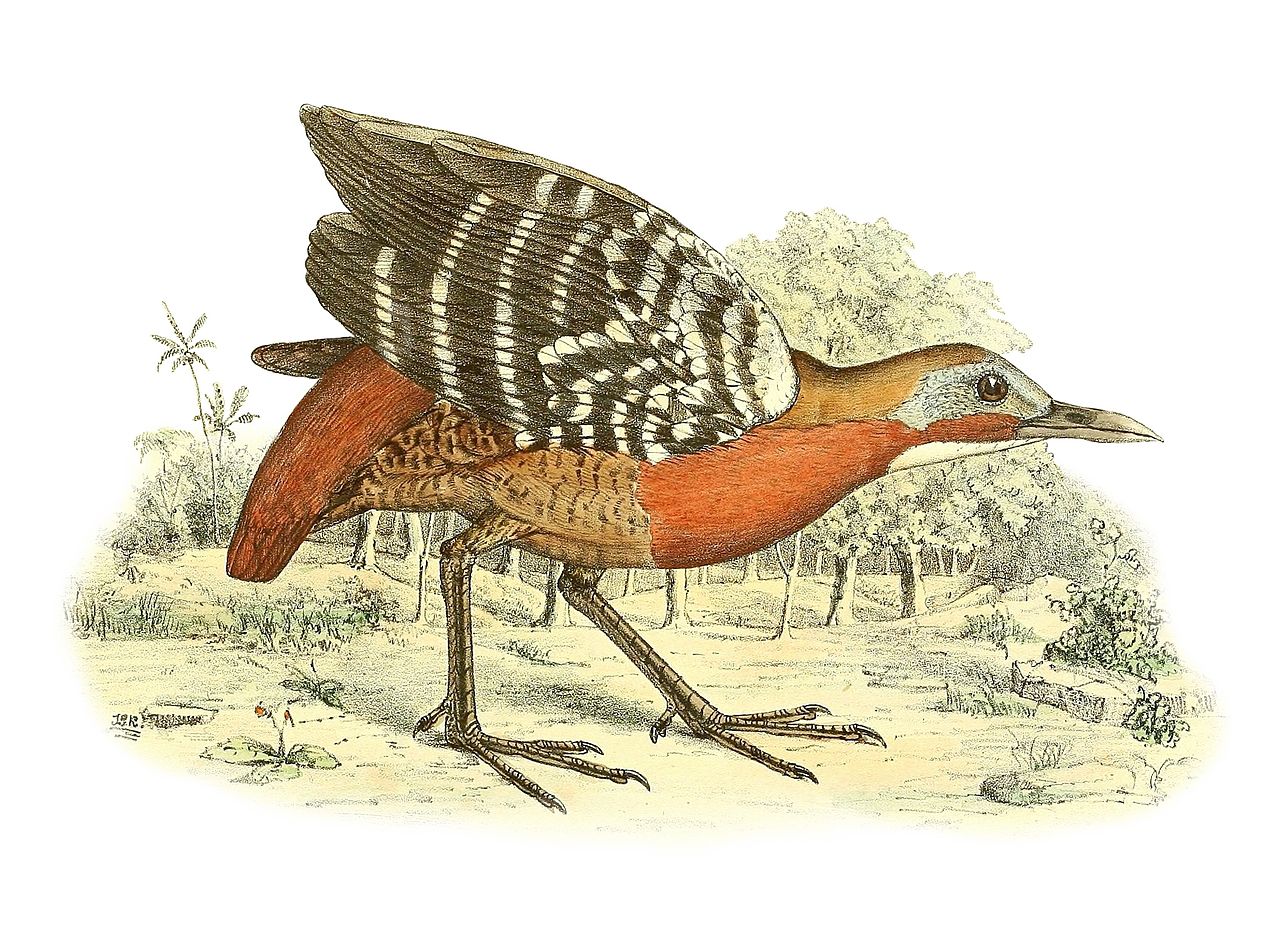
The Madagascar cuckoo or Madagascan cuckoo, also known as the Madagascar lesser cuckoo, is a species of cuckoo in the family Cuculidae. Though it breeds only in Madagascar, it winters to eastern Africa.
Region
Madagascar and East Africa
Typical Environment
Breeds widely across Madagascar in forest edges, secondary woodland, and mixed habitats including plantations and scrub. It frequents mid-canopy to subcanopy levels and often uses edges and clearings where prey is abundant. In the non-breeding season it occurs in coastal and inland woodlands of eastern Africa, especially along the Mozambique Channel coast. It also uses mangroves, riverine thickets, and wooded farmland when available.
Altitude Range
Sea level to 1800 m
Climate Zone
Tropical
Ease of Keeping
Beginner friendly: 1/5
The Madagascar cuckoo is a brood parasite, laying its eggs in the nests of other bird species rather than building its own. It is more often heard than seen, advertising its presence with a loud, repetitive whistled call. During the non-breeding season it leaves Madagascar and disperses to eastern Africa. It specializes in eating caterpillars, including hairy species many birds avoid.

Temperament
secretive but vocal
Flight Pattern
strong, direct flight with short rapid wingbeats and brief glides
Social Behavior
Mostly solitary outside the breeding season. As a brood parasite, the female lays eggs in the nests of smaller host species and does not provide parental care. Courtship involves calling and chasing through the canopy. Territories are advertised primarily by persistent vocalizations.
Migratory Pattern
Seasonal migrant
Song Description
Gives a loud, clear series of repeated whistled notes, often carrying far through forest edges. The simple, rhythmic phrases are delivered persistently, especially at dawn and in the breeding season.
Plumage
Slate-grey upperparts with pale buff to whitish underparts marked by fine dark barring; tail dark with pale spotting on the tips. Feathers sleek, giving a smooth, streamlined appearance typical of Cuculus cuckoos.
Diet
Feeds mainly on insects, especially caterpillars including hairy species that many birds avoid. Also takes beetles, grasshoppers, and spiders when available. Prey is gleaned from foliage and branches and occasionally taken in short sallies.
Preferred Environment
Forages along forest edges, secondary growth, and wooded plantations where caterpillars are abundant. Often hunts in the mid-canopy but will drop lower along trails and clearings.