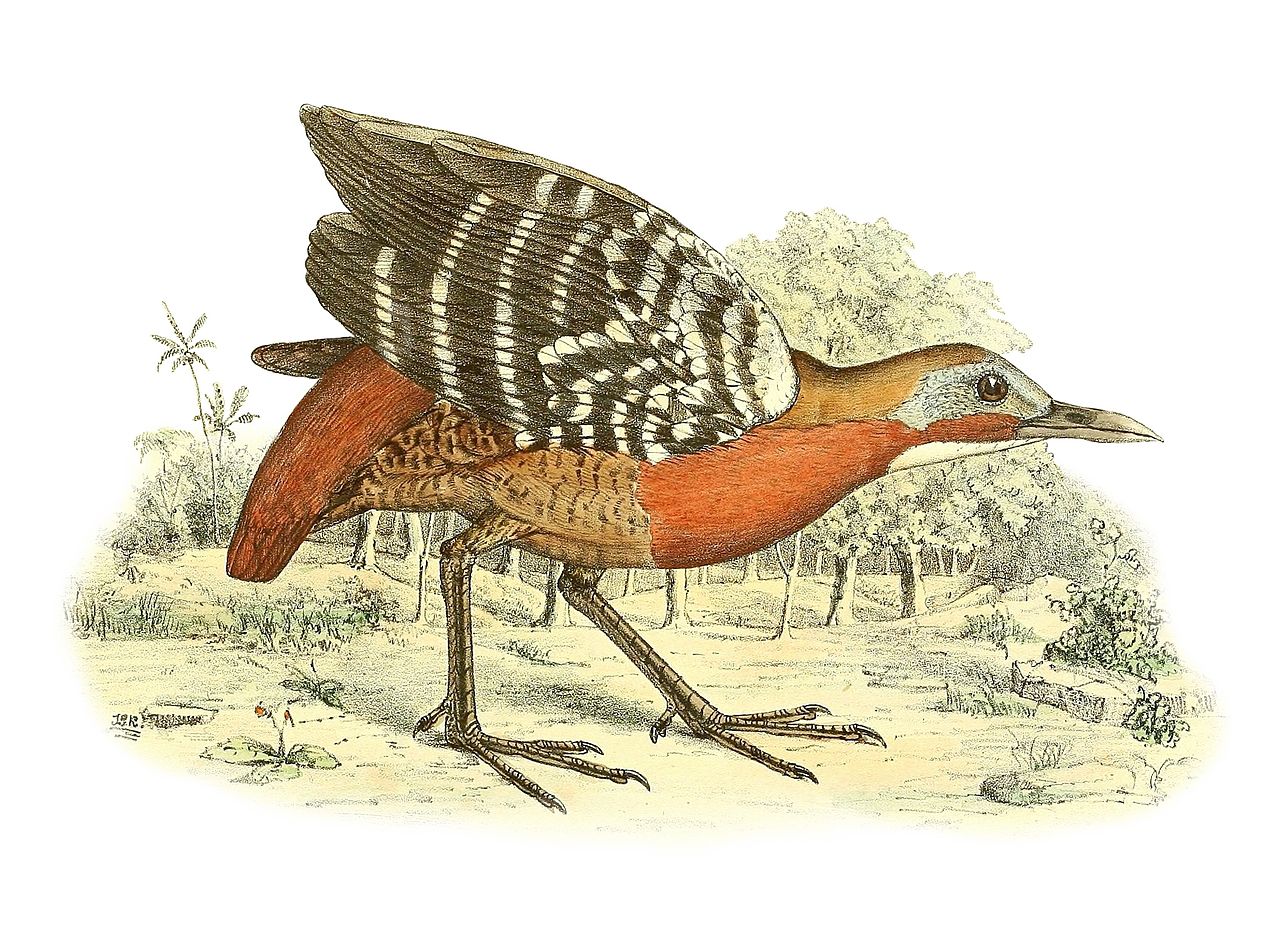
The Madagascar cisticola is a species of bird in the cisticola family (Cisticolidae). It inhabits areas to the west of the ˞Indian Ocean. It forms a superspecies with the closely related zitting cisticola and the Socotra cisticola.
Region
Madagascar
Typical Environment
Occurs widely across Madagascar in open habitats, especially natural and secondary grasslands, marsh edges, and shrubby clearings. It also frequents agricultural mosaics, rice fields, and roadside verges, where tall grasses and sedges provide cover. The species uses both wet and dry grasslands and tolerates moderate habitat disturbance. Nesting typically occurs in dense grass clumps or low shrubs within open country.
Altitude Range
Sea level to 2000 m
Climate Zone
Tropical
Ease of Keeping
Beginner friendly: 1/5
The Madagascar cisticola is a small grassland warbler endemic to Madagascar and part of a superspecies with the zitting cisticola and Socotra cisticola. Males perform conspicuous song-flights with rapid wingbeats and brief parachuting glides over open fields. It adapts well to human-modified landscapes such as rice paddies and roadside grasslands.

Temperament
skulking but active
Flight Pattern
short rapid wingbeats with brief glides; aerial display flights
Social Behavior
Generally seen singly or in pairs, becoming territorial during the breeding season. Pairs build a small, woven cup nest low in grass or shrubs, with the male displaying conspicuously over territories. Outside breeding, it may associate loosely with other small insectivores in open habitats.
Migratory Pattern
Resident
Song Description
Song is a dry, insect-like series of ticking notes and short trills, often delivered during display flights. Calls include sharp tsik or tchik notes given from perches within grass clumps.
Plumage
Upperparts are warm brown with dark streaking on the mantle and back; underparts are buffy to whitish with a washed, lightly streaked breast. Crown often shows a rufous tone, and the tail is graduated with darker subterminal markings. Feathers appear soft and slightly loose, aiding a rounded, compact look.
Diet
Feeds primarily on small insects such as beetles, grasshoppers, flies, and their larvae, as well as spiders and other small arthropods. It gleans prey from grass stems and leaves, occasionally making short sallies to catch flying insects. Opportunistic foraging allows it to exploit both wet and dry grassland niches.
Preferred Environment
Forages in tall grasses, sedges, and low scrub along field margins, marsh edges, and rice paddies. Often works methodically through dense cover, hopping low and making short flights between clumps.