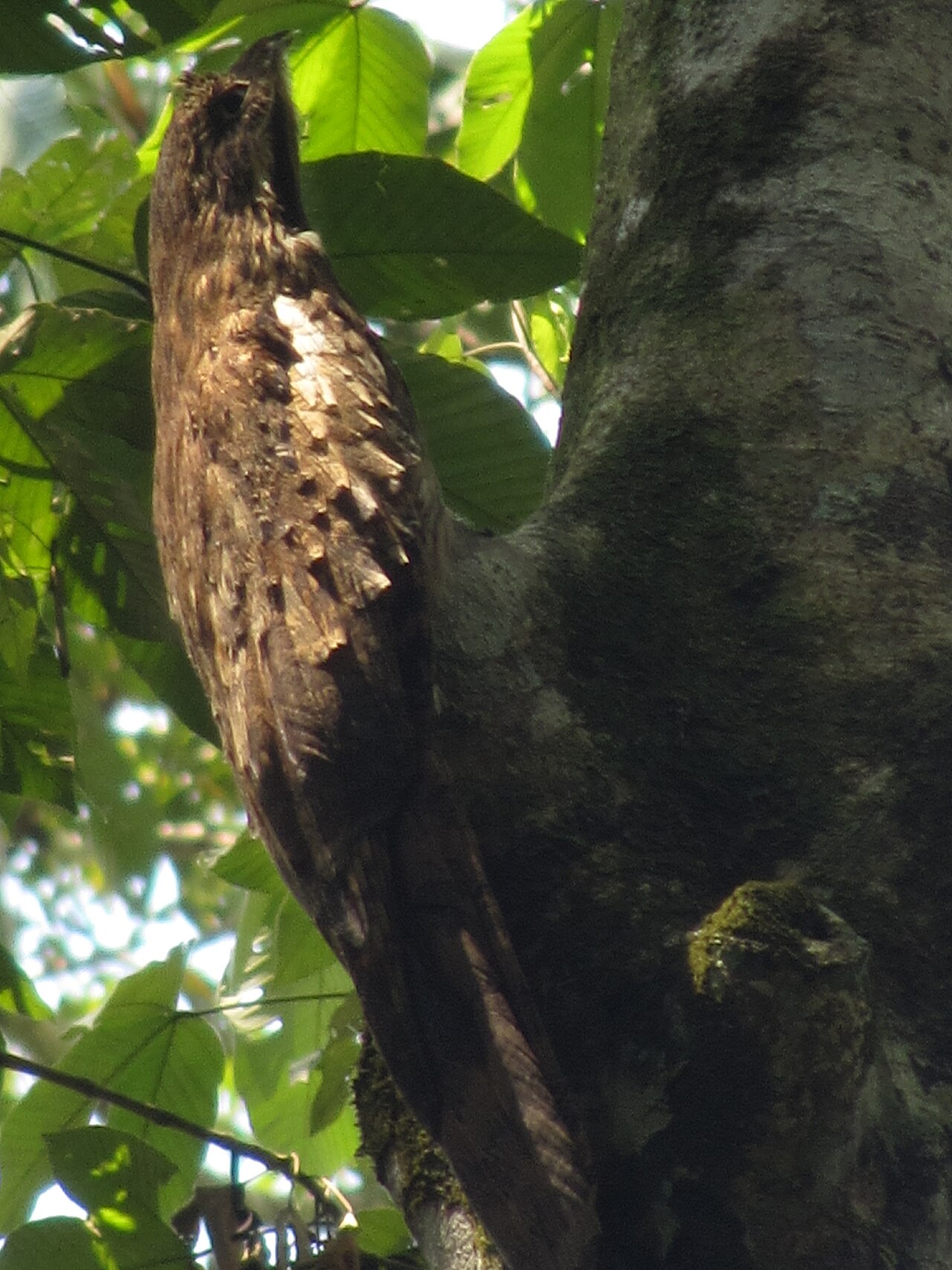
The long-tailed mockingbird is a species of bird in the family Mimidae. It is found in Ecuador and Peru.
Region
Tumbesian dry forests of western Ecuador and Peru
Typical Environment
This species inhabits arid and semi-arid coastal lowlands, dry deciduous forest, thorn scrub, and edges of mangroves. It is also common in human-modified landscapes such as pastures, plantations, and gardens near settlements. Birds often use open ground and low shrubs for foraging, with frequent movement between scattered perches. Local populations occur along river valleys that cut through dry zones, and the species tolerates fragmented habitats.
Altitude Range
Sea level to 1500 m
Climate Zone
Arid
Ease of Keeping
Beginner friendly: 1/5
The long-tailed mockingbird is conspicuous for its very long tail, which it often flicks while foraging. It is a confident, vocal bird that readily uses fences, rooftops, and exposed branches as singing perches. Like other mockingbirds, it can mimic other species’ calls, though it also has a rich native repertoire. Several subspecies occur across western Ecuador and Peru with subtle differences in tone and wing pattern.


Temperament
bold and territorial
Flight Pattern
short rapid wingbeats with brief glides
Social Behavior
Usually seen singly or in pairs that defend year-round territories. Nests are open cups placed low to mid-level in thorny shrubs or small trees. Clutches typically contain 2–4 eggs and both parents participate in care. Family groups may remain together for a time after fledging.
Migratory Pattern
Resident
Song Description
Loud, varied song composed of clear whistles, harsh scolds, and repeated phrases delivered from exposed perches. Capable of mimicry of other birds and environmental sounds. Calls include sharp chacks and squeaky chatters used in alarm and territorial defense.
Plumage
Gray to brownish-gray upperparts with pale underparts and a slightly buffy wash on the flanks; wings show white patches and edging; tail is very long and graduated with white outer feathers.
Diet
Feeds primarily on insects such as beetles, ants, grasshoppers, and caterpillars, gleaned from ground and low vegetation. Supplements diet with fruits and berries from native shrubs and cultivated plants. Occasionally takes small vertebrates or eggs and may sip nectar opportunistically.
Preferred Environment
Forages on open ground, along tracks, and at shrub edges, often probing leaf litter and low branches. Readily uses agricultural fields, gardens, and park-like areas with scattered bushes. Frequently searches near human habitation where food is plentiful.