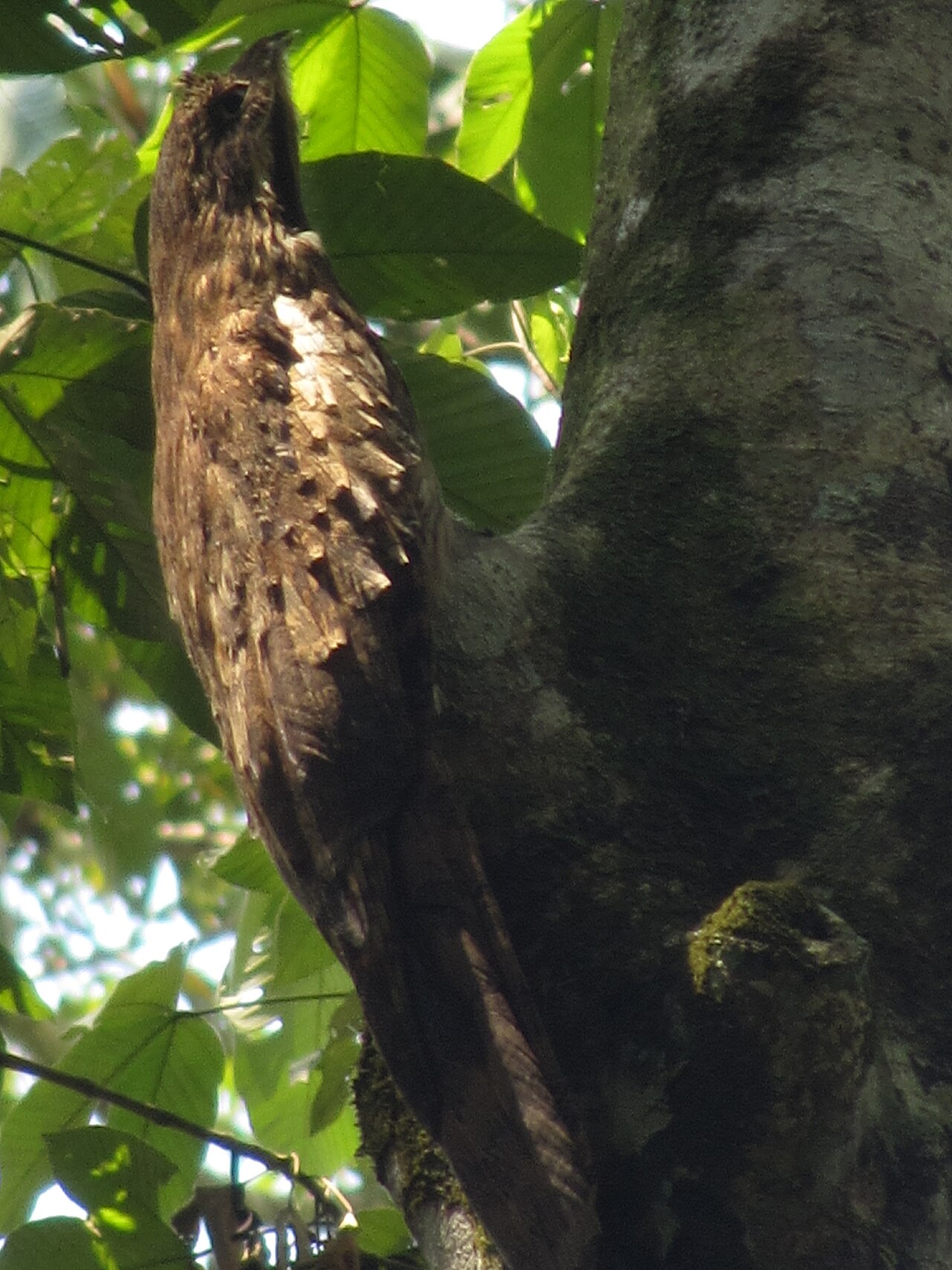
The long-tailed paradigalla is a large, approximately 37 cm long, black bird-of-paradise with long and pointed tail. One of the most plain members in the family Paradisaeidae, its only adornment is the colorful facial wattles of yellow, red and sky-blue near base of the bill. Both sexes are similar in appearance, however the female is slightly duller and smaller.
Region
New Guinea Highlands
Typical Environment
Occupies mid-montane to upper-montane forests across the central and eastern highlands of New Guinea, extending into mature mossy forests and forest edges. Prefers primary forest but will use well-developed secondary forest where large fruiting trees persist. Often forages in the mid to upper canopy, moving quietly through dense foliage. Occurs locally around fruiting trees and along ridgelines and forested valleys. Generally absent from lowland rainforest and heavily disturbed areas.
Altitude Range
1200–2800 m
Climate Zone
Highland
Ease of Keeping
Beginner friendly: 1/5
This bird-of-paradise is unusual in the family for having relatively plain black plumage; its standout features are the tri-colored facial wattles of yellow, red, and sky-blue at the bill base. Both sexes look similar, with females slightly smaller and duller—another atypical trait among birds-of-paradise where sexual dimorphism is often extreme. The long, pointed tail separates it from the Short-tailed Paradigalla, which is more restricted to the far northwest of New Guinea. The wattles can appear more vivid when the bird is alert or displaying.

Temperament
shy and wary
Flight Pattern
short rapid wingbeats
Social Behavior
Typically solitary or found in loose pairs, gathering more often at fruiting trees. Courtship is comparatively subdued for a bird-of-paradise, with posturing that highlights the facial wattles. Nesting occurs in trees; the female is believed to carry most or all of the incubation and chick rearing.
Migratory Pattern
Resident
Song Description
Vocalizations are a mix of harsh, rasping notes and short whistles delivered from inside the canopy. Calls are not especially musical and can be easily overlooked against forest background sounds.
Plumage
Uniform glossy to velvety black with a long, pointed tail and minimal ornamentation aside from facial wattles.
Diet
Feeds on a mix of fruits (especially figs and other canopy berries) and arthropods gleaned from leaves, bark, and epiphytes. Will take small invertebrates and occasionally other small animal matter to supplement fruit intake. Often follows fruiting cycles and may range widely to exploit seasonal food sources. Forages methodically, pausing to probe moss and leaf clusters.
Preferred Environment
Mid to upper canopy of montane forest, particularly at fruiting trees and along forest edges. Also uses mossy boughs and epiphyte-laden branches within mature forest.