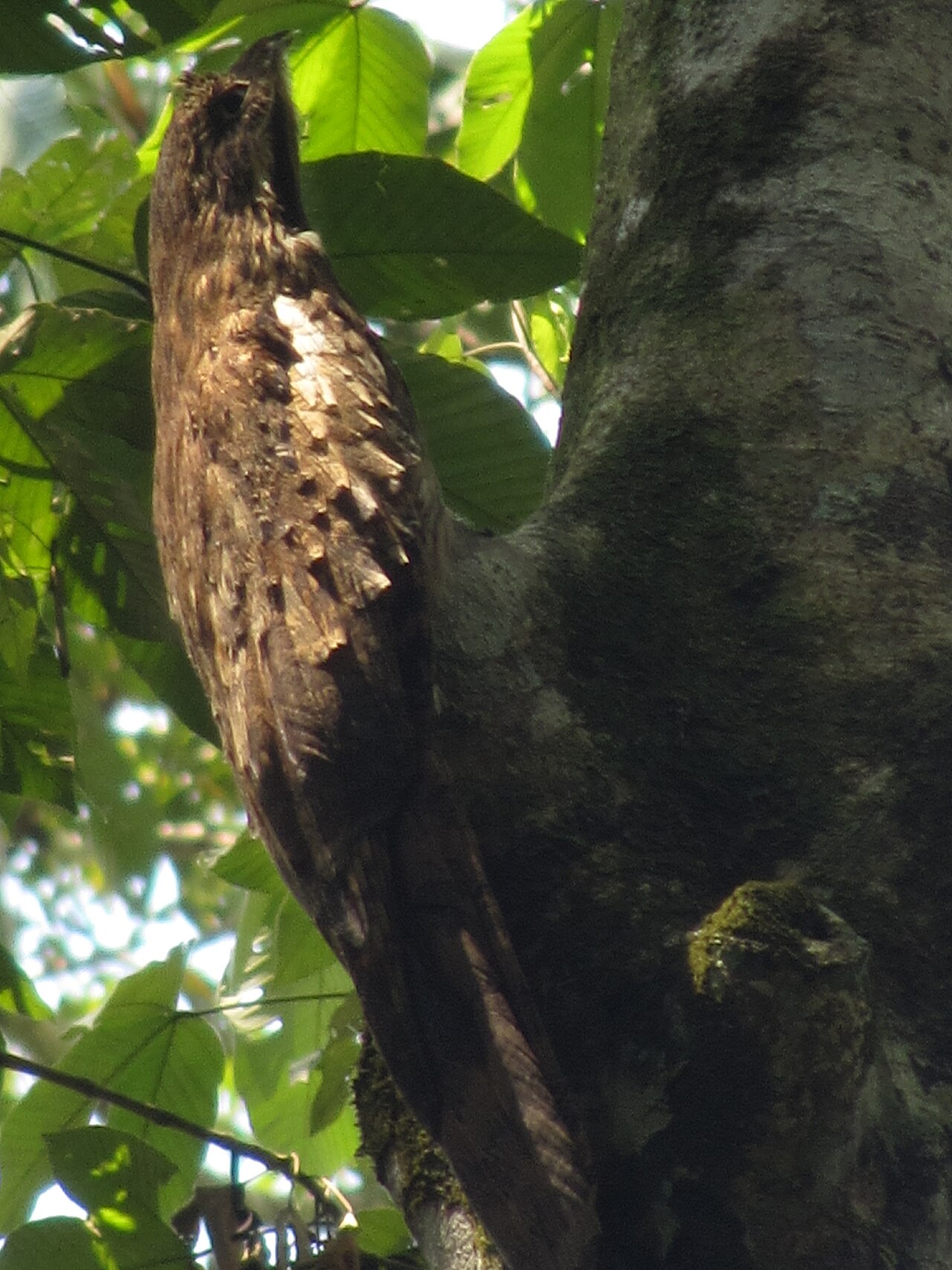
The long-tailed nightjar is one of 98 species of nightjar in the family Caprimulgidae, the "true nightjars". It is a nocturnal, insectivorous bird characterized by its distinctive long tail. It is found throughout mainland Africa in open areas, arid semi-deserts, and savannas, with common sightings alongside roadways.
Region
Sub-Saharan Africa
Typical Environment
Occurs widely in open habitats including savannas, dry woodland edges, scrubby semi-deserts, and riverine sandbars. It favors areas with patches of bare ground and scattered shrubs or trees. Common along tracks and roadways where it forages at night. It may also use farmlands and village outskirts with suitable open cover.
Altitude Range
0–2000 m
Climate Zone
Tropical
Ease of Keeping
Beginner friendly: 1/5
A nocturnal insect-eater, the long-tailed nightjar relies on superb camouflage to roost on bare ground or leaf litter during the day. Males show striking white patches on the wings and tail that flash in display flights at dusk. It often hunts along roadsides and near lights where insects gather. Its wide, gaping mouth and bristles help it scoop moths and beetles in flight.


Long-tailed nightjar amongst leaf-litter with its eyes closed to slits.


When illuminated by flashlights or automobile headlights, the eyes of long-tailed nightjars distinctively appear red.
Temperament
solitary and cryptic
Flight Pattern
buoyant, moth-like flight with short rapid wingbeats and brief glides
Social Behavior
Generally solitary or in pairs. Nests on the ground without a built structure, laying eggs directly on bare substrate. Adults rely on camouflage and may perform distraction displays if a predator approaches the nest. Courtship occurs at dusk with display flights and soft wing-claps.
Migratory Pattern
Resident
Song Description
Produces a soft, repetitive churring trill at dusk and night. Also gives sharp ticking or chuck notes during flight and when agitated.
Plumage
Highly cryptic, mottled and barred with browns, greys, and rufous tones, blending with leaf litter and soil. Feathers show intricate vermiculation and barring; tail is long and graduated, with males showing prominent white corners.
Diet
Feeds mainly on nocturnal flying insects such as moths, beetles, termites, and flying ants. It catches prey on the wing using a wide gape and sensory bristles. Will opportunistically forage near artificial lights and along roads where insects concentrate. Occasionally hawks low over open ground or sally-hunts from a perch.
Preferred Environment
Forages over open savanna, scrubby clearings, riverbeds, and along track and road verges. Often hunts at forest edges or over water where insect activity is high. Will use lightly settled areas if they provide open space and insect abundance.