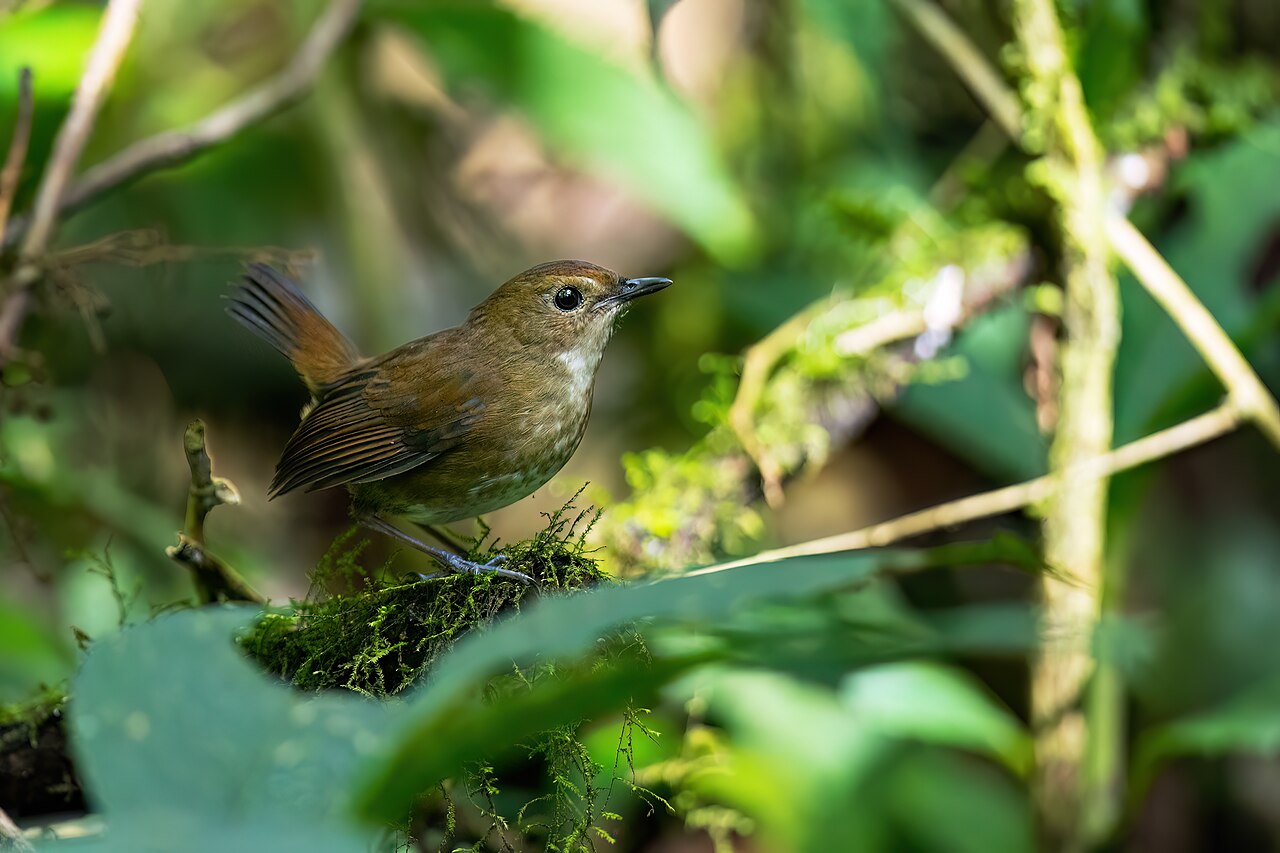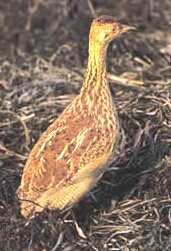
The lesser nothura is a type of tinamou found in dry grassland habitats in tropical regions of east-central South America.
Region
Brazilian Cerrado
Typical Environment
Occurs in dry grassland and open savanna (campos) with scattered shrubs, often near patches of taller cover for shelter. It uses native Cerrado grasslands, lightly grazed pastures, and field margins, avoiding dense forests. Ground-dwelling and highly cryptic, it stays close to cover and flushes only at close range. Conversion of native grassland to agriculture fragments its range and reduces suitable habitat.
Altitude Range
200–1500 m
Climate Zone
Tropical
Ease of Keeping
Beginner friendly: 1/5
The lesser nothura is a small, ground-dwelling tinamou that relies on dense grass cover for concealment. Males incubate the eggs and care for the chicks, often from multiple females, a characteristic behavior among tinamous. Its soft, far-carrying whistles are most often heard at dawn and dusk in open savanna grasslands. Habitat loss in Brazil’s Cerrado biome is the principal threat to this species.


Temperament
shy and secretive
Flight Pattern
short rapid wingbeats with low, explosive flush
Social Behavior
Mostly solitary or in pairs, remaining close to ground cover. Nests are simple ground scrapes concealed in dense tussock grasses. Males incubate and rear the chicks, sometimes from a clutch laid by more than one female. Chicks are precocial and follow the male soon after hatching.
Migratory Pattern
Resident
Song Description
A soft, mournful, whistled call that carries far in open habitats. Phrases are repeated at measured intervals, most common at dawn and dusk. Calls aid contact between widely spaced individuals in tall grass.
Plumage
Cryptic sandy-brown to buff with fine blackish mottling and barring, giving a scaly appearance on the back and wings. Underparts are paler buff with subtle streaking on the flanks. Feathers are soft and dense, aiding camouflage in dry grasses.
Diet
Feeds on a mix of small seeds, green shoots, and fallen fruits, supplemented with insects such as ants, termites, beetles, and grasshoppers. It gleans and pecks on the ground, probing lightly in leaf litter and soil. Seasonal availability of seeds and invertebrates influences diet composition.
Preferred Environment
Forages along edges of grass tussocks, open patches within savanna, and lightly grazed pastures. Often stays near cover, emerging into more open ground during quieter periods of the day.