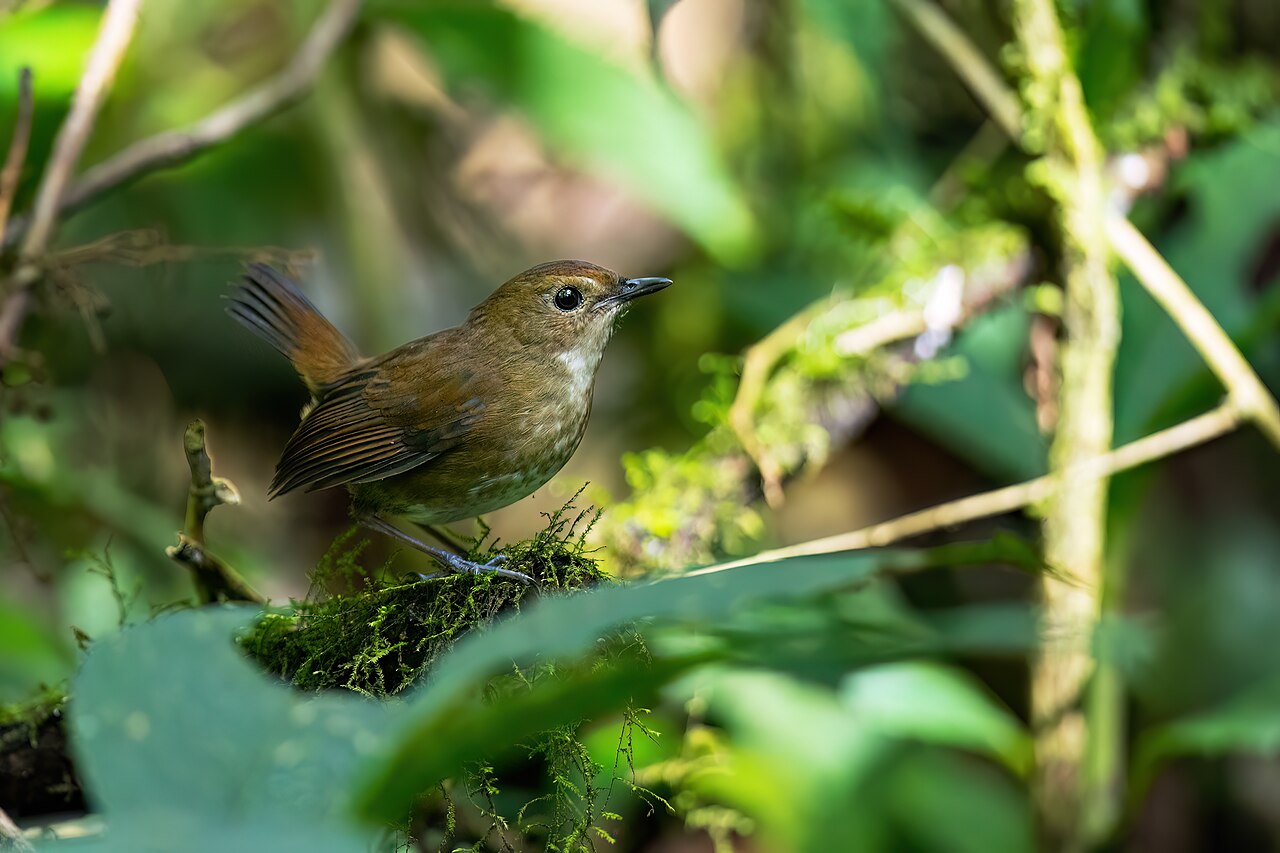
The lesser roadrunner is a large, long-legged bird that is a member of the cuckoo family, Cuculidae. It is found in Mesoamerica. Its Latin name means "swift earth-cuckoo". Along with the greater roadrunner, it is one of two species in the genus Geococcyx.
Region
Mesoamerica
Typical Environment
Occurs from western and southern Mexico through parts of Central America, favoring dry to semi-arid landscapes. Typical habitats include thorn scrub, cactus-dotted savannas, open deciduous woodland, and agricultural edges with scattered shrubs. It avoids dense, closed-canopy forests and prefers areas with open ground for running and foraging. Nests are usually placed in low shrubs or cacti and it roosts off the ground to avoid predators.
Altitude Range
0–1800 m
Climate Zone
Tropical
Ease of Keeping
Beginner friendly: 1/5
A swift, ground-dwelling cuckoo, the lesser roadrunner can sprint at impressive speeds to chase down prey. It often hunts lizards, snakes, and large insects, and will also take fruit in season. Like its larger relative, it displays a crest and colorful bare skin behind the eye during courtship and territorial encounters. Its Latin name translates to “swift earth-cuckoo,” reflecting its terrestrial lifestyle.


Temperament
wary and terrestrial
Flight Pattern
short rapid wingbeats with brief glides; prefers running
Social Behavior
Usually seen singly or in pairs, maintaining territories year-round. Pairs are monogamous during the breeding season and build platform nests of sticks in low shrubs or cacti. Clutches are typically 2–4 eggs, with both parents participating in incubation and chick-rearing.
Migratory Pattern
Resident
Song Description
Delivers a series of low, cooing notes that carry at dawn, interspersed with softer clucks. Also produces bill-clattering and harsh chatters during displays or alarm.
Plumage
Streaked brown and buff upperparts with pale, lightly streaked underparts; long graduated tail with white tips; shaggy crest.
Diet
Feeds on large insects, spiders, and scorpions, as well as small lizards and snakes. Will occasionally take small rodents, nestling birds, and eggs. Supplements its diet with fruits such as cactus berries and other seasonal plant matter.
Preferred Environment
Forages on the ground in open scrub, along paths, road edges, and around scattered shrubs or cacti. Often hunts by stalking and short sprints, using cover to approach prey.