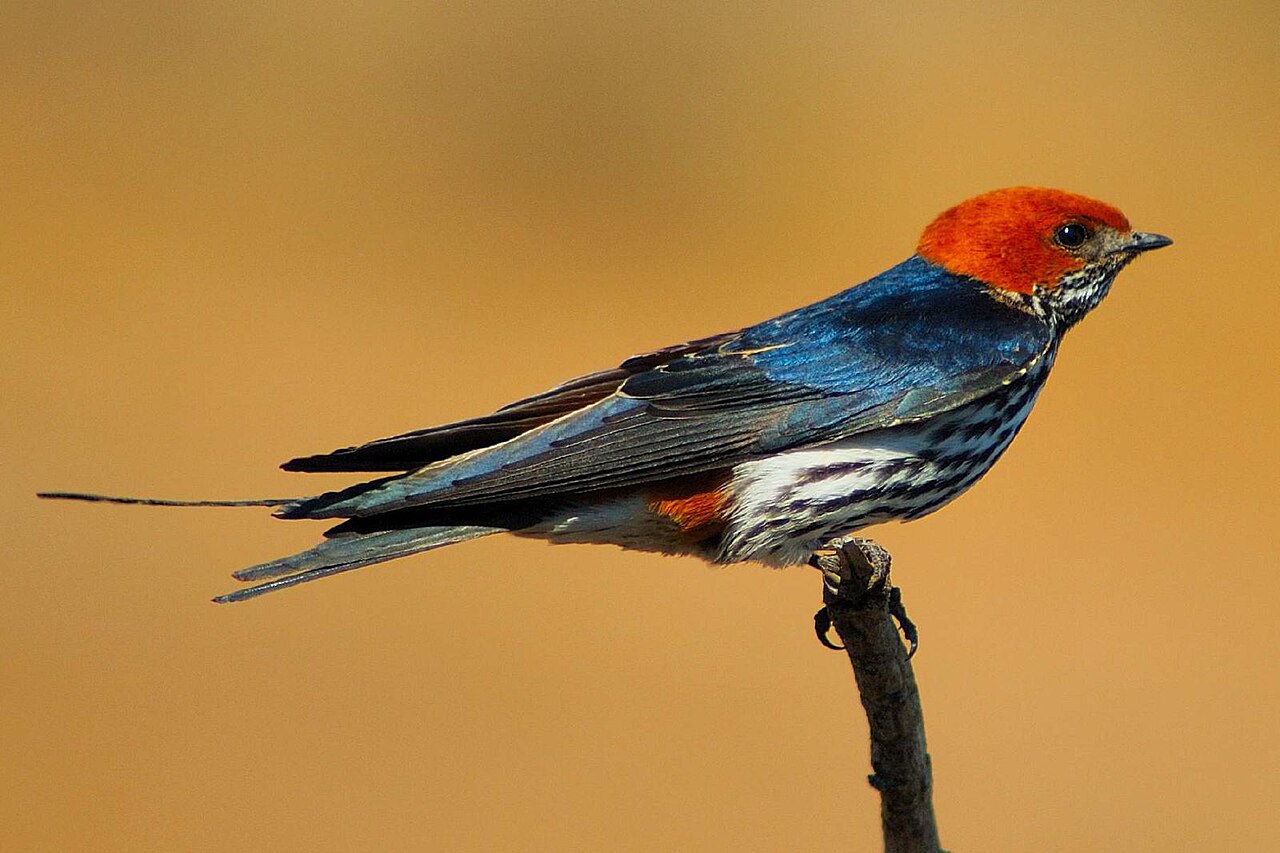
The lesser shrike-tyrant is a species of bird in the family Tyrannidae, the tyrant flycatchers. It is found in Argentina, Bolivia and Paraguay and as a vagrant to Brazil, Chile, and Uruguay.
Region
South-central South America
Typical Environment
Occurs across northern and central Argentina, eastern Bolivia, and Paraguay, with occasional vagrants to Brazil, Chile, and Uruguay. It inhabits dry open habitats including Chaco scrub, shrub-steppe, open woodland edges, pastures, and fallow fields. Birds favor areas with scattered bushes or low trees that provide lookout perches. It tolerates moderately disturbed agricultural landscapes and ranchlands provided some shrub cover remains.
Altitude Range
0–2500 m
Climate Zone
Subtropical
Ease of Keeping
Beginner friendly: 1/5
A robust tyrant flycatcher with a shrike-like stance and heavy bill, it favors open country where it hunts from prominent perches such as fence posts. Despite the name, it is not closely related to true shrikes; the name reflects its predatory demeanor. It often fans its tail and makes short sallies to the ground after prey.


Temperament
solitary and territorial
Flight Pattern
short rapid wingbeats with direct, low flights between perches
Social Behavior
Usually encountered singly or in pairs, perched conspicuously while scanning for prey. Forms monogamous pairs during the breeding season and nests low in shrubs or small trees in open habitats. The nest is a cup of twigs and grasses, and both adults may participate in territory defense.
Migratory Pattern
Partial migrant
Song Description
Vocalizations are simple and somewhat harsh, including sharp kik and tchack notes used in alarm or contact. Song is a short, unmusical series of whistles and chatters delivered from exposed perches, often at dawn.
Plumage
Mouse-gray to brownish-gray upperparts with paler, slightly buff-washed underparts and faint streaking on the breast. Tail dusky with subtle pale edges; wings show subdued pale fringes rather than bold bars. Feathers appear plain and slightly mottled, giving a muted, earthy look.
Diet
Primarily takes large insects such as beetles, grasshoppers, crickets, and caterpillars. It occasionally snaps up spiders and other arthropods and may take small lizards or berries opportunistically. Hunting is mostly from a perch with short sallies or ground pounces, returning to the same or nearby perch.
Preferred Environment
Feeds along edges of scrub and open woodland, in ranchlands, and in semi-arid shrub-steppe with scattered perches. Frequently uses fence posts, wires, and low branches to scan open ground.