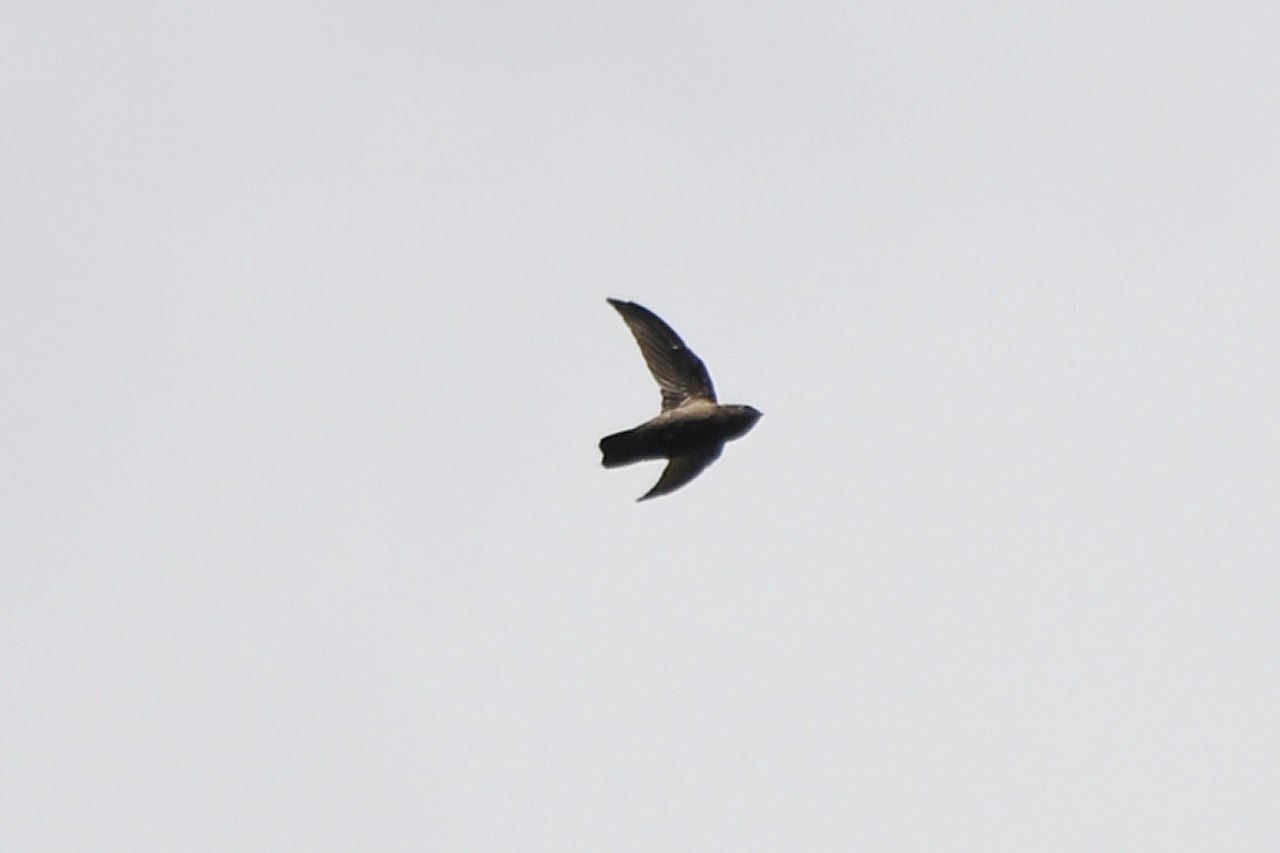
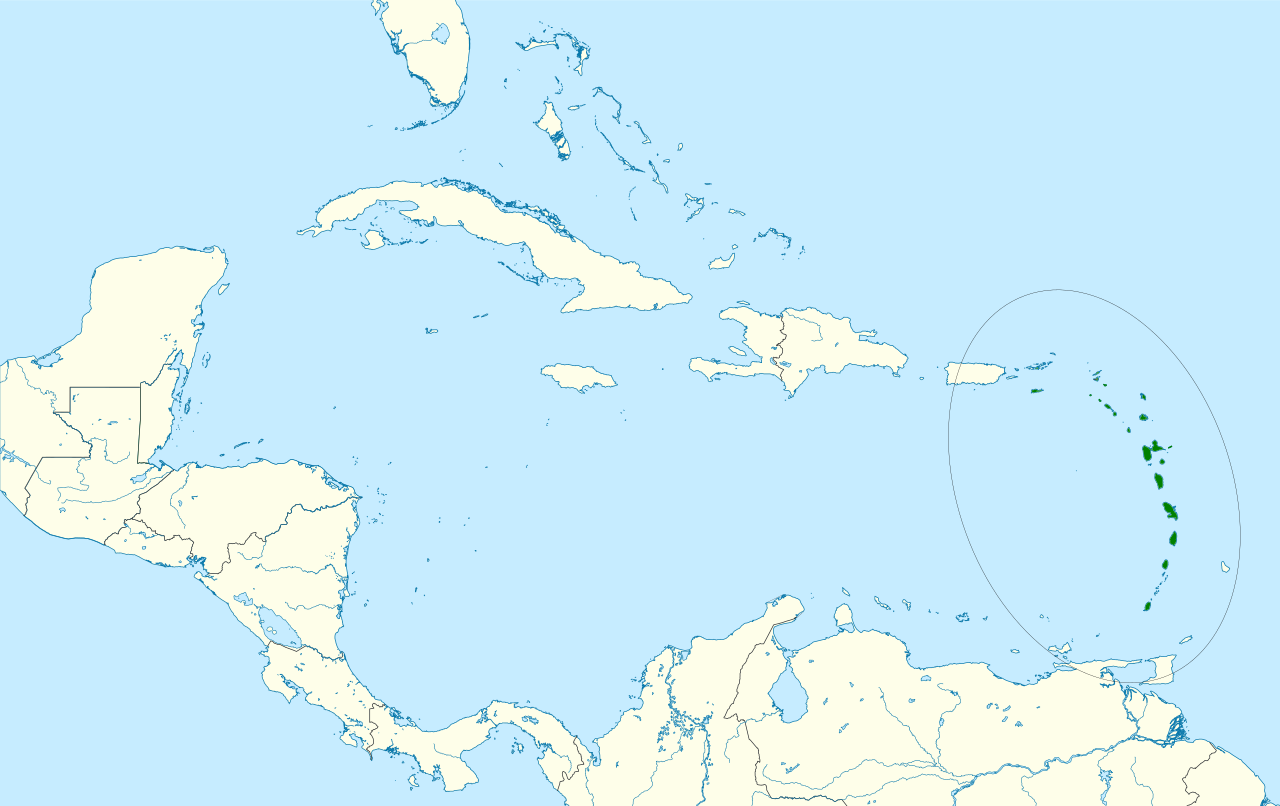
The lesser Antillean bullfinch is a species of bird in the family Thraupidae. It is found in Saint Barth, Saint Martin, Anguilla, Antigua and Barbuda, Dominica, Grenada, Guadeloupe, Martinique, Montserrat, Netherlands Antilles, Saint Kitts and Nevis, Saint Lucia, Saint Vincent and the Grenadines, the British Virgin Islands, and the U.S. Virgin Islands.
Region
Lesser Antilles
Typical Environment
Found on many islands from Anguilla south to Grenada, occupying forest edges, dry scrub, coastal thickets, plantations, and gardens. It readily uses secondary growth and disturbed areas, often near clearings and hedgerows. On wetter islands it also reaches into montane forest margins. It is a common resident across much of its range and often occurs near human settlements.
Altitude Range
Sea level to 1200 m
Climate Zone
Tropical
Ease of Keeping
Beginner friendly: 1/5
A chunky, island-dwelling tanager with a powerful seed-cracking bill, the Lesser Antillean bullfinch is widespread across the Lesser Antilles and is non-migratory. Males are mostly black with a striking orange-red throat, while females are brownish-olive and more subdued. It adapts well to human-modified habitats and often visits gardens and feeders. Several island subspecies show subtle differences in size and coloration.



Temperament
bold and adaptable
Flight Pattern
short rapid wingbeats
Social Behavior
Usually seen in pairs or small family groups and can be quite territorial during breeding. The nest is a cup placed in shrubs or low trees; both parents help feed the young. Outside the breeding season it may forage loosely with mixed-species groups around edges and gardens.
Migratory Pattern
Resident
Song Description
The song is a series of clear, whistled phrases and trills delivered from exposed perches. Calls include sharp metallic chips and tink-like notes, often given while foraging in dense shrubs.
Plumage
Males are mostly glossy black with a vivid orange-red throat patch; females are olive-brown with paler underparts and a subtle face pattern. Both sexes have a thick, conical bill typical of bullfinches. Juveniles resemble females but duller.
Diet
Feeds on a mix of seeds, fruits, and berries, supplemented by insects and other small arthropods. Its robust bill allows it to crack hard seeds and fruit pits. It occasionally takes nectar from flowers and may visit sugar or hummingbird feeders in gardens.
Preferred Environment
Forages in low to mid-level vegetation along forest edges, scrub, hedgerows, and in cultivated areas. Often seen in gardens, around fruiting trees, and along roadsides and clearings.