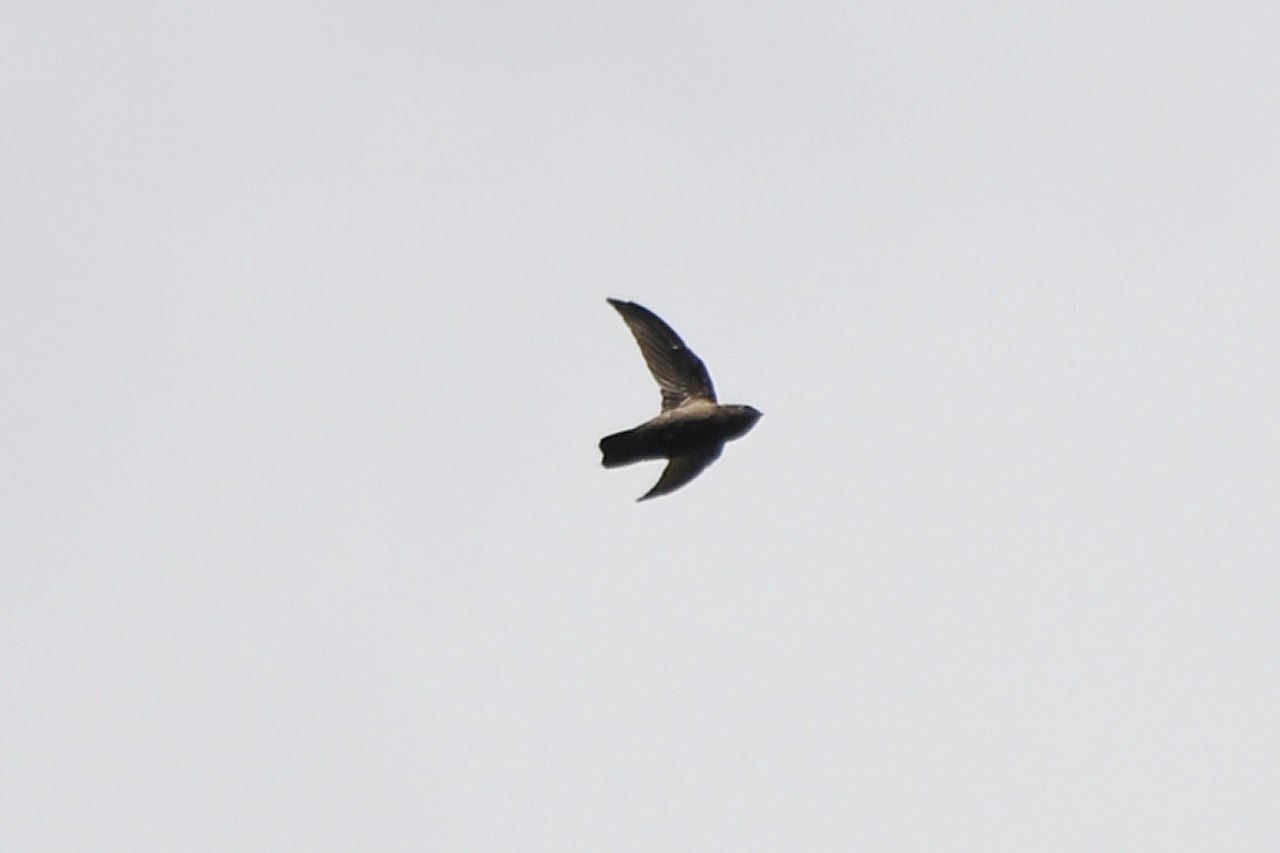
The Lesser Antillean euphonia is a bird species in the finch family, Fringillidae that is endemic to the Lesser Antilles.
Region
Lesser Antilles
Typical Environment
Occurs on multiple islands in the Lesser Antilles, commonly from Dominica south through Martinique, Saint Lucia, Saint Vincent and the Grenadines, and Grenada. It inhabits forest edges, secondary woodland, plantations, and gardens with plentiful fruit. The species prefers areas with fruiting shrubs and trees, including mistletoes, and uses both canopy and mid-story. It adapts well to semi-open habitats and human-altered landscapes as long as fruit resources are present.
Altitude Range
Sea level to 1200 m
Climate Zone
Tropical
Ease of Keeping
Beginner friendly: 2/5
A small, brightly colored euphonia endemic to the Lesser Antilles, it often forages in pairs at fruiting trees. Males are striking with vivid yellow underparts, while females are olive and more subdued. It plays an important role in dispersing seeds of mistletoes and other small-fruited plants. Generally approachable where fruit is abundant, it frequents gardens, plantations, and forest edges.

Temperament
social and active
Flight Pattern
short rapid wingbeats
Social Behavior
Often seen in pairs or small family groups, especially at fruiting trees. Nests are compact, domed or cup-like structures placed well hidden in foliage. Pairs are typically monogamous, and both parents feed the nestlings.
Migratory Pattern
Resident
Song Description
A series of high, tinkling whistles and metallic notes delivered in short phrases. Calls include sharp, thin chips and sweet, repetitive whistles.
Plumage
Male with glossy blue-black upperparts, bright yellow underparts, and a yellow to golden crown spot; short tail and compact build. Female is olive-green above with dull yellowish underparts and a plainer face. Both sexes have a short, thick bill suited to swallowing small fruits.
Diet
Primarily consumes small fruits and berries, notably mistletoe, melastomes, and figs, which are often swallowed whole. Also takes small insects and spiders opportunistically, especially during breeding. By passing seeds intact, it serves as an important seed disperser in island ecosystems.
Preferred Environment
Feeds in the canopy and mid-story of forest edges, secondary growth, and fruit-rich gardens and plantations. Often concentrates around fruiting trees and shrubs, sometimes joining mixed-species flocks.