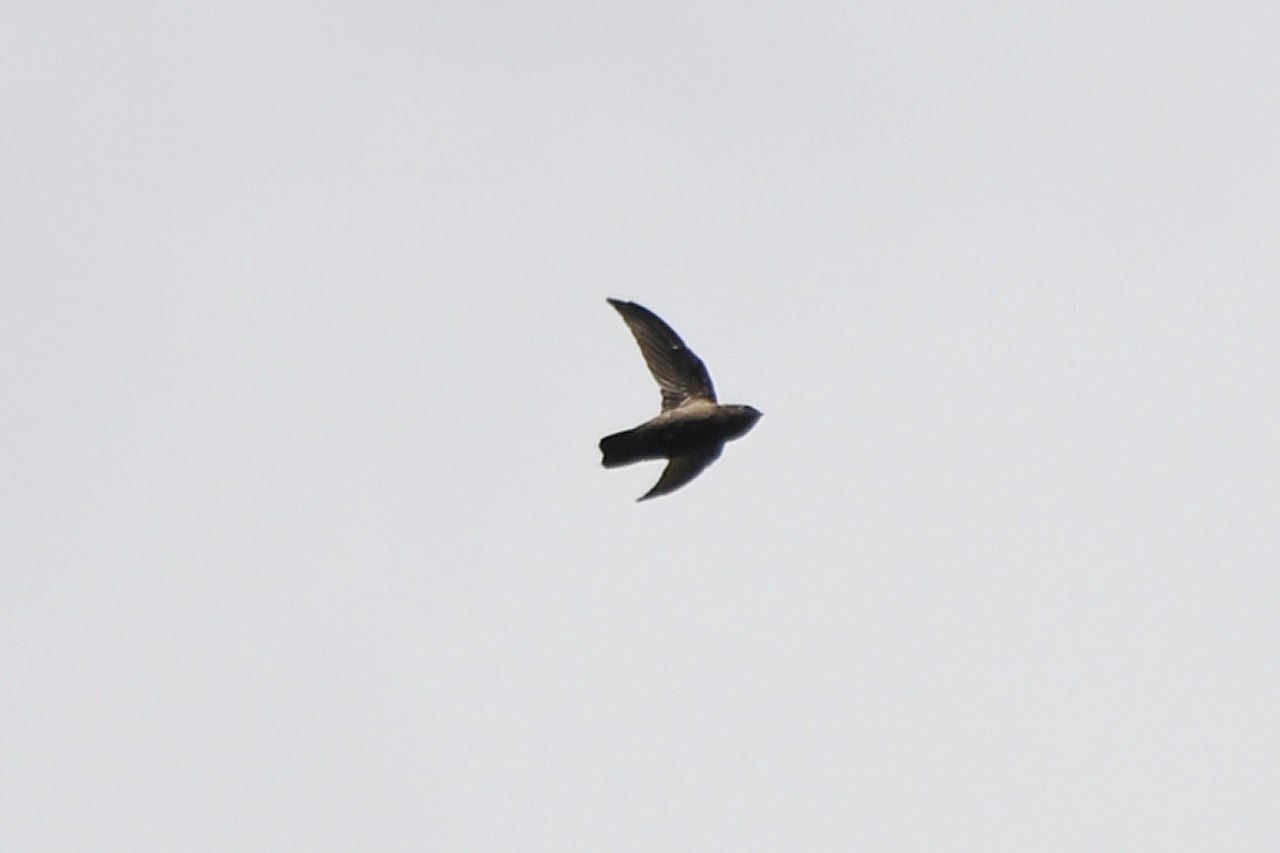
The Lesser Antillean pewee is a species of bird in the family Tyrannidae, the tyrant flycatchers. It is found in Dominica, Guadeloupe, Martinique, Puerto Rico, and Saint Lucia. There are also scattered records on Saint Kitts.
Region
Lesser Antilles and Puerto Rico
Typical Environment
Occurs on several Caribbean islands including Dominica, Guadeloupe, Martinique, Saint Lucia, and Puerto Rico, with occasional records from nearby islands such as Saint Kitts. It inhabits humid and semi-humid forests, forest edges, second-growth thickets, and shade plantations. The species favors midstory to canopy perches along gaps, trails, and clearings where aerial insects are abundant. It tolerates moderately disturbed habitats but remains most common where continuous tree cover persists.
Altitude Range
Sea level to 1400 m
Climate Zone
Tropical
Ease of Keeping
Beginner friendly: 2/5
The Lesser Antillean pewee is a small tyrant flycatcher that hunts from exposed perches, sallying out to snatch flying insects before returning to the same lookout. It is generally quiet and inconspicuous except for its clear whistled calls. Several island populations show subtle differences in voice and plumage, and some authorities have treated the Puerto Rican population separately. It adapts well to secondary habitats and plantations as long as trees and perches are available.


Temperament
solitary and territorial
Flight Pattern
short rapid wingbeats with quick sallies from a perch
Social Behavior
Outside of breeding, individuals are typically solitary and maintain small foraging territories. During the breeding season they form monogamous pairs and build small cup nests placed on horizontal branches. Nests are often well camouflaged with lichens and bark fibers, and both adults may participate in care of the young.
Migratory Pattern
Resident
Song Description
The voice is a clear, whistled series often rendered as a descending pee-wee or peer-wee, repeated at intervals. Calls include sharp chips and soft squeaks given from exposed perches. Songs carry well through forest edges and gaps, especially at dawn.
Plumage
Olive-brown upperparts with slightly darker crown and nape; underparts grayish to whitish with a faint buff wash on the flanks and breast. Two pale wingbars and edged wing coverts give a lightly barred look. Plumage is soft and plain, with a small, slightly peaked crest typical of pewees.
Diet
Primarily feeds on flying insects such as flies, beetles, moths, and small wasps, captured on short aerial sallies. It also gleans spiders and insects from foliage and twigs. Small berries may be taken opportunistically when insect activity is low.
Preferred Environment
Forages along forest edges, clearings, trails, and plantation shade where open sightlines allow hawking. Commonly uses midstory to canopy perches with good visibility, returning repeatedly to favored lookouts. It benefits from scattered tall trees within mixed or secondary habitats.