

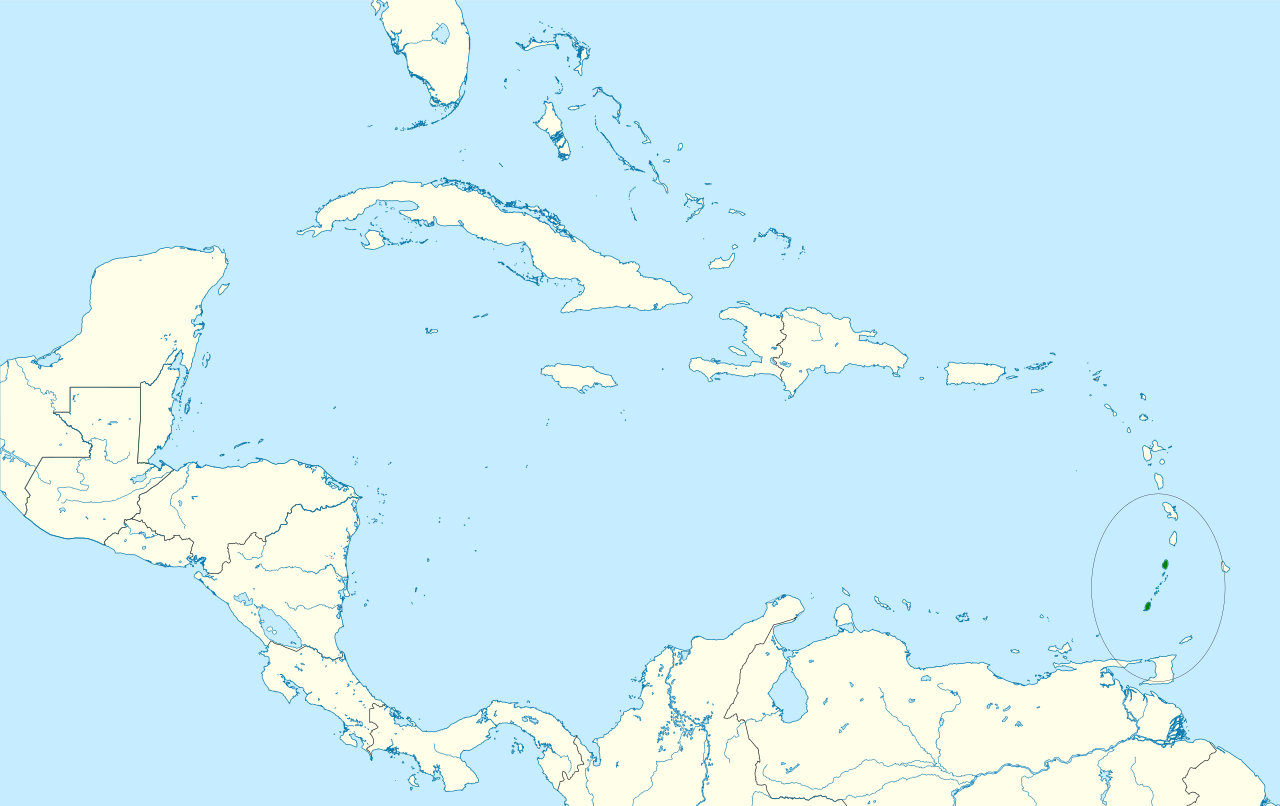
The lesser Antillean tanager is a species of bird in the family Thraupidae. It is found in Grenada and Saint Vincent. Its natural habitats are subtropical or tropical moist lowland forests and heavily degraded former forest.
Region
Lesser Antilles (Windward Islands)
Typical Environment
Occurs on Saint Vincent and Grenada, inhabiting subtropical and tropical moist lowland forests, forest edges, and secondary growth. It also frequents plantations, orchards, and gardens adjacent to woodland. Birds typically forage in the mid-story to canopy but will descend to lower strata along edges. It is generally common where suitable fruiting shrubs and trees are present. The species persists even in heavily degraded former forest, provided some tree cover remains.
Altitude Range
Sea level to 1200 m
Climate Zone
Tropical
Ease of Keeping
Beginner friendly: 1/5
This island-restricted tanager is found only on Saint Vincent and Grenada, where it adapts well to second-growth, plantations, and forest edges. It often joins mixed-species flocks and helps disperse seeds by consuming small fruits. Males show a darker hooded head compared to females, which are duller overall. Despite its small range, it tolerates moderately disturbed habitats.

Temperament
social and active
Flight Pattern
short rapid wingbeats
Social Behavior
Usually seen in pairs or small family groups and frequently joins mixed-species flocks in the canopy and edge. Builds a small cup nest concealed in foliage, with both sexes involved in parental care. Territoriality is moderate, often relaxed where food is abundant.
Migratory Pattern
Resident
Song Description
Song is a light, sweet series of thin chips and trills, delivered from the mid-canopy. Calls include high, sharp tseet notes used to maintain contact within flocks.
Plumage
Compact tanager with smooth, even-toned plumage; males appear bluish-slate with a darker hood and throat, females and immatures are duller gray-olive with less contrast. Subtle pale edging may be seen on the wing coverts and a paler belly. Overall look is clean and unpatterned compared to many mainland Tangara species.
Diet
Eats a mix of small fruits and berries, complemented by insects and other arthropods gleaned from leaves and twigs. Will probe clusters of fruiting shrubs and opportunistically take caterpillars and small beetles. Occasionally sips nectar or feeds at bananas and other soft fruit in cultivated areas. Its frugivory aids seed dispersal in disturbed habitats.
Preferred Environment
Forages mainly in the mid- to upper canopy at forest edges, secondary growth, and along trails. Readily visits fruiting trees in plantations and gardens near forest. Often feeds while moving with mixed flocks.


