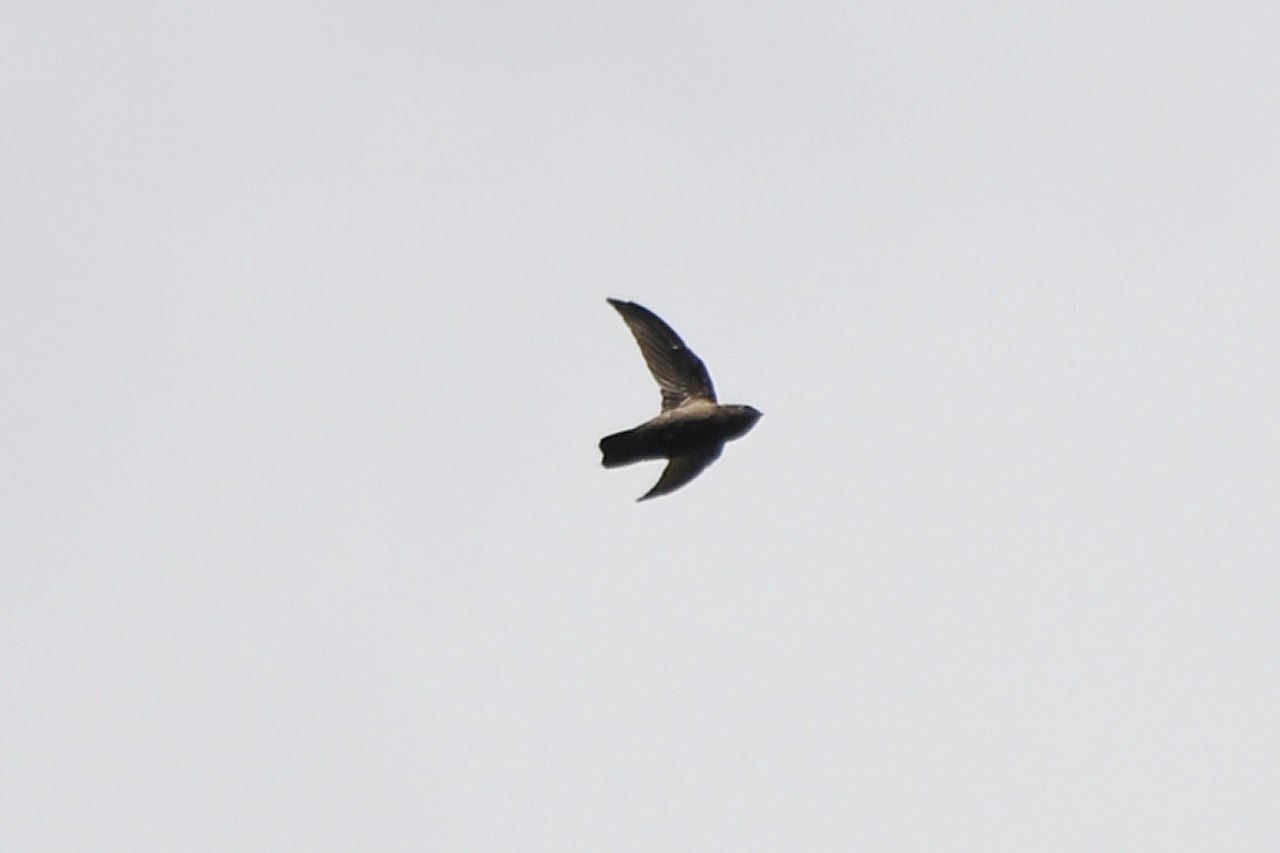
The Lesser Antillean flycatcher is a species of bird in the family Tyrannidae, the tyrant flycatchers. It is found in Barbuda, Dominica, Guadeloupe, Martinique, Nevis, Saint Kitts, and Saint Lucia.
Region
Lesser Antilles (Eastern Caribbean)
Typical Environment
Occurs on several islands including Barbuda, Saint Kitts, Nevis, Guadeloupe, Dominica, Martinique, and Saint Lucia. It favors forest edges, dry to moist woodland, scrub, and secondary growth, and is frequently seen in plantations and larger gardens. The species perches conspicuously and sallies out to capture flying insects. It tolerates habitat disturbance better than many forest specialists.
Altitude Range
Sea level to 1000 m
Climate Zone
Tropical
Ease of Keeping
Beginner friendly: 1/5
This tyrant flycatcher is endemic to the Lesser Antilles and is often identified more reliably by voice than by plumage, which closely resembles other Myiarchus species. It commonly nests in tree cavities, old woodpecker holes, and even man-made crevices. The species adapts well to secondary growth and edge habitats, making it fairly common where forest meets agriculture or gardens.


Temperament
solitary and territorial
Flight Pattern
short rapid wingbeats with quick sallies from exposed perches
Social Behavior
Usually seen singly or in pairs, maintaining small territories year-round. Pairs nest in cavities, using natural holes or old woodpecker excavations, and may add plant fibers and feathers as lining. Clutches are small, and both parents participate in provisioning.
Migratory Pattern
Resident
Song Description
A series of sharp, whistled and burry notes, often rendered as repeated whee-eer and whit calls. Vocal at dawn and early morning, with clearer whistles used for territory advertisement and contact.
Plumage
Olive-brown upperparts with grayish head and throat, pale yellow belly, and rufous edging in the wings and tail. Two faint buff wingbars are usually visible. Feathers appear smooth with subtle contrast between the gray breast and yellow underparts.
Diet
Primarily hunts flying and perched insects such as beetles, wasps, bees, grasshoppers, and moths; also takes spiders and occasionally small fruits or berries. It typically launches from an exposed perch to snatch prey mid-air (sallying) or glean from foliage. Prey is often subdued by beating against a perch before swallowing.
Preferred Environment
Forages along forest edges, in secondary woodland, coastal scrub, and agroforestry areas like plantations and orchards. Frequently uses fence lines, dead snags, or utility wires as hunting perches near open patches.